
Robotic Uterus Cancer Surgery in Ahmedabad, Gujarat
Dr. Nitin Singhal, an expert uterus cancer surgeon, offers robotic hysterectomy for endometrial cancer and uterine cancer treatment in Ahmedabad, bringing 18+ Years of Experience to precise, minimally invasive gynecologic cancer surgery.

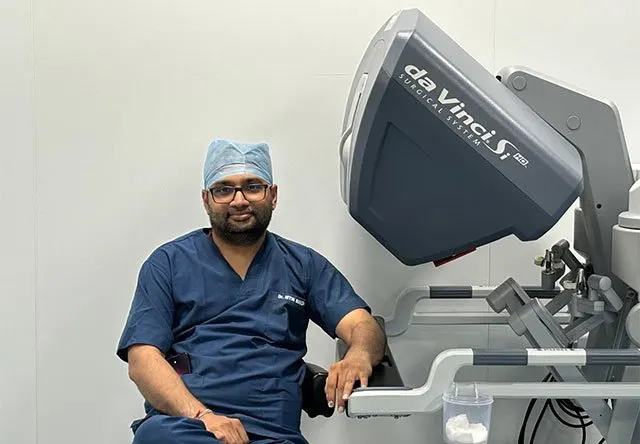
Dr. Nitin Singhal
Dr. Nitin Singhal is a Robotic and HIPEC surgeon based in Ahmedabad, specialising in gynecologic oncology, including uterus (endometrial) cancer. He combines robotic-assisted technique with a patient-first approach, aiming for precise tumour removal and thorough lymph node staging while supporting faster recovery wherever suitable.
What Is Uterus Cancer?
Uterus cancer, also called uterine or endometrial cancer, develops when abnormal cells grow in the tissue lining the uterus (the endometrium), or less commonly in the muscular wall of the uterus itself (uterine sarcoma). It is one of the most common gynecologic cancers, and is often diagnosed at an earlier, more treatable stage because it tends to cause a noticeable early symptom — abnormal bleeding.
Most uterus cancers are endometrial carcinomas, which typically develop after menopause, though they can occur in younger women too. Uterine sarcomas are rarer and arise from the muscle or connective tissue of the uterus. The type and stage at diagnosis guide the treatment approach.
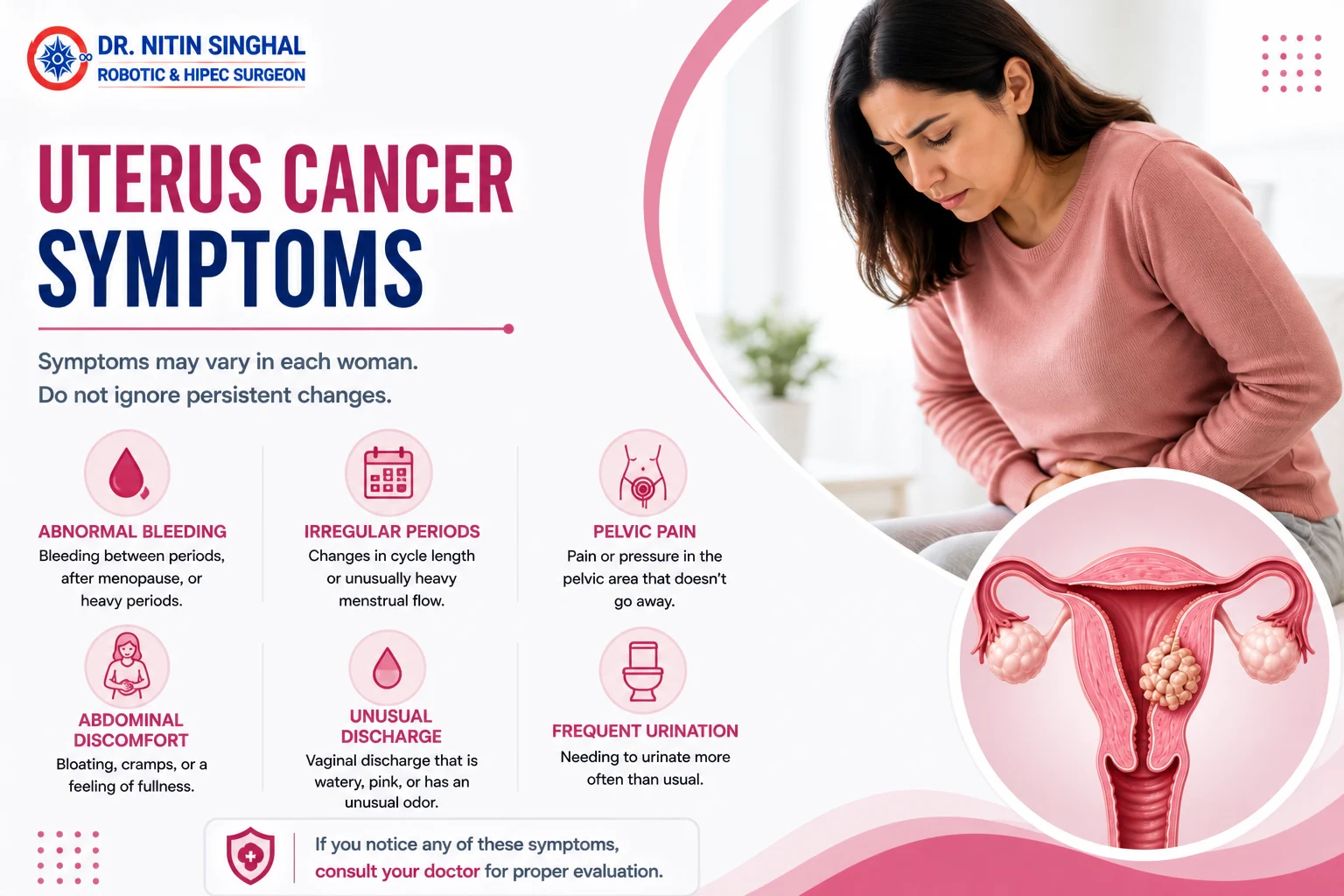
Symptoms to Watch For
Abnormal vaginal bleeding is the most common early symptom of uterus cancer. Any of the following, especially if persistent, should be evaluated by a doctor promptly.
Post-Menopausal Bleeding
Any vaginal bleeding after menopause should be evaluated promptly, as it is the most common warning sign.
Abnormal Bleeding Between Periods
Irregular bleeding or spotting between menstrual cycles in women who have not yet reached menopause.
Pelvic Pain or Pressure
Persistent discomfort or a feeling of pressure in the lower abdomen or pelvis.
Unusual Vaginal Discharge
Watery or blood-tinged discharge that is not related to a menstrual period.
Pain During Intercourse
New or persistent discomfort during sexual intercourse.
Unexplained Weight Loss
Losing weight without a change in diet or activity level, more common in advanced disease.

What Increases the Risk?
Having one or more risk factors does not mean a person will develop uterus cancer — it simply means awareness of symptoms and timely evaluation become more important.
Obesity
Excess body fat increases estrogen levels, which raises the risk of endometrial cancer.
Unopposed Estrogen Exposure
Estrogen therapy without progesterone, or hormonal conditions causing prolonged estrogen exposure, raise risk.
Tamoxifen Use
This breast cancer medication is associated with a modestly increased risk of uterine cancer.
Reproductive & Menstrual History
Early menarche, late menopause, or never having been pregnant are linked with higher risk.
Diabetes & Metabolic Syndrome
Type 2 diabetes and metabolic syndrome are associated with increased endometrial cancer risk.
Family History & Lynch Syndrome
A family history of uterine or colorectal cancer, or Lynch syndrome, significantly raises individual risk.
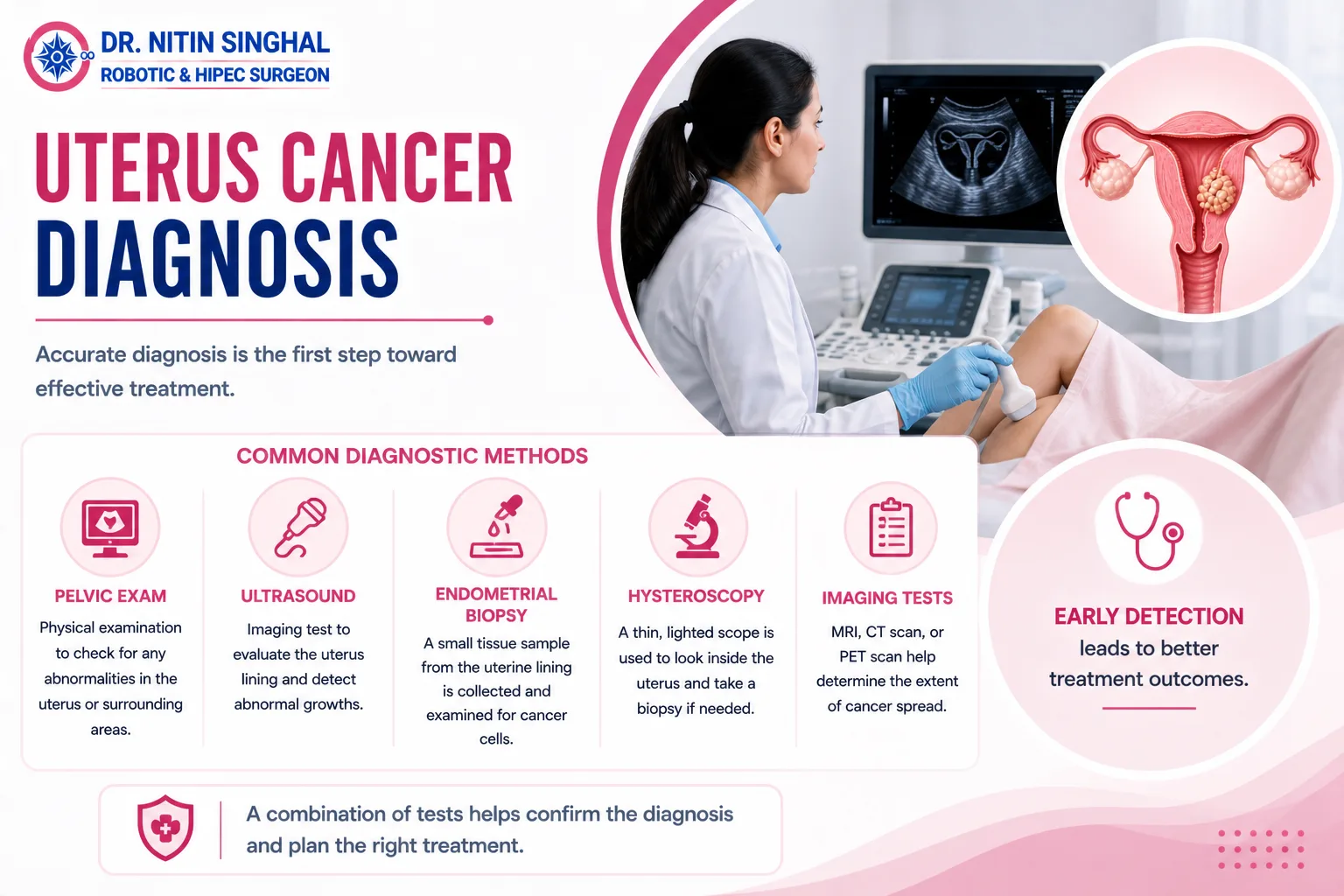
How Is Uterus Cancer Diagnosed?
Clinical evaluation — a review of symptoms, menstrual and reproductive history, and a pelvic examination.
Transvaginal ultrasound — imaging to assess the thickness and appearance of the uterine lining.
Endometrial biopsy — a tissue sample taken from the uterine lining to check for cancerous cells.
Hysteroscopy with D&C — a more detailed procedure to directly examine the uterine cavity and obtain tissue when biopsy results are unclear.
Imaging for staging — CT, MRI or PET scans to assess the extent of disease and check for spread.
Genetic testing — considered in selected cases to screen for Lynch syndrome, which can affect family risk and screening.

How Uterus Cancer Is Treated
Treatment depends on cancer type, stage and overall health, and is planned individually by a multidisciplinary team.
Hysterectomy
Surgical removal of the uterus, often along with the fallopian tubes and ovaries, the primary treatment for most cases.
Lymph Node Assessment
Removal of pelvic and, where needed, para-aortic lymph nodes to accurately stage the disease.
Radiation Therapy
External beam radiation or brachytherapy, used after surgery in selected cases or for patients unsuitable for surgery.
Chemotherapy
Used for more advanced or higher-risk disease, often alongside surgery or radiation.
Hormone Therapy
Progestin-based therapy, sometimes used as fertility-sparing treatment in select early-stage cases in younger patients.
Targeted Therapy & Immunotherapy
Considered for advanced or recurrent disease based on tumour biology and molecular testing.
Why Choose Dr. Nitin Singhal?
Robotic & HIPEC Cancer Surgeon
Focused practice in robotic-assisted and complex cancer surgery, including gynecologic oncology.
Gynecologic Oncology Specialisation
Experience performing robotic hysterectomy and lymph node staging for uterine, cervical and ovarian cancers.
Training & Qualifications
MBBS, MS (General Surgery), MCh (Surgical Oncology) with training at Tata Memorial Centre, Mumbai.
18+ Years of Experience
Focused specifically in surgical and robotic oncology.
Hospital Affiliations
Operates at established hospitals in Ahmedabad with advanced operation theatres, robotic systems and ICU support.
Multidisciplinary Cancer Care
Coordinated planning with medical oncology, radiation oncology and pathology colleagues as needed.
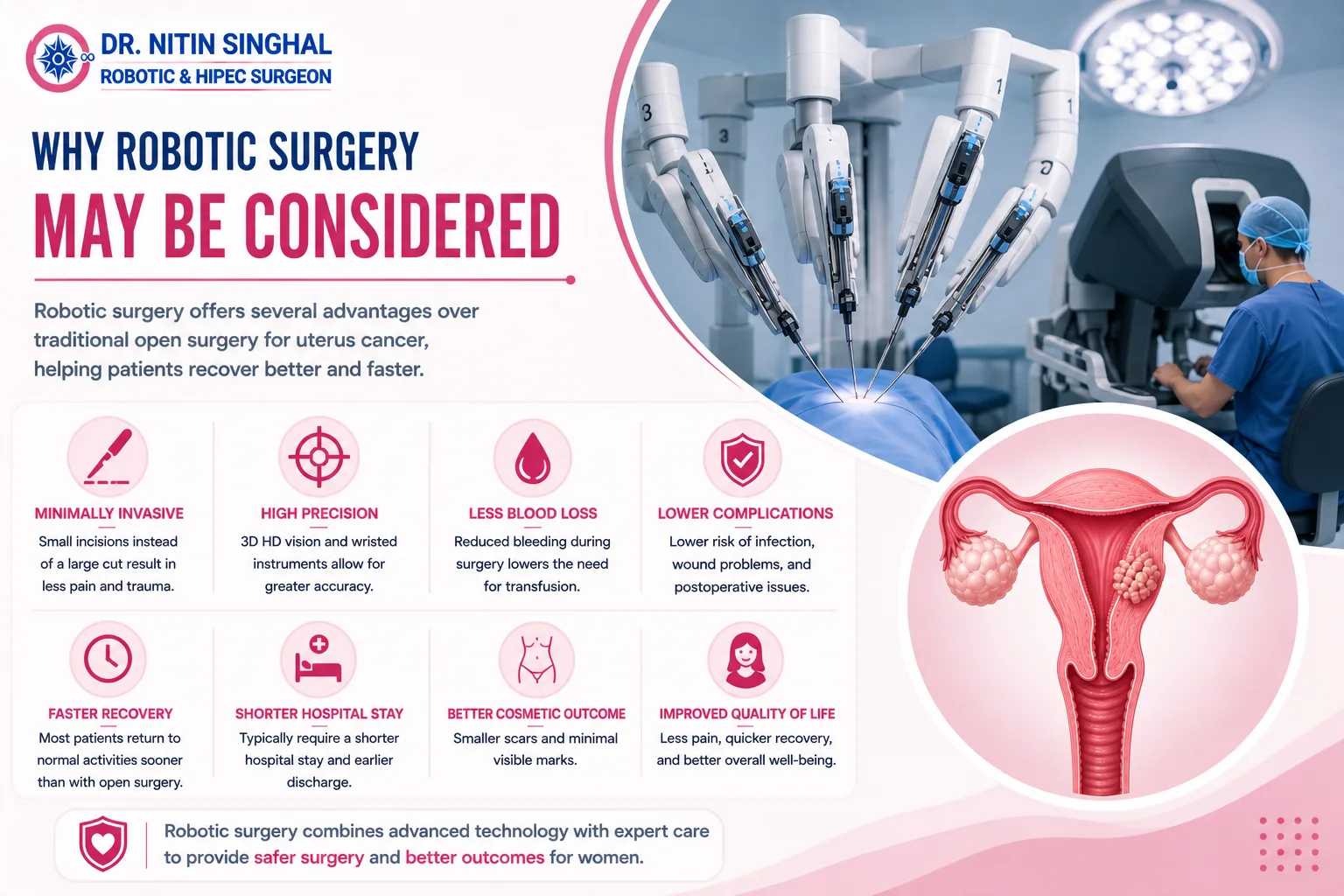
What Is Robotic Uterus Cancer Surgery (Robotic Hysterectomy)?
Robotic hysterectomy uses a surgical system with wristed instruments and a magnified 3D camera, controlled entirely by the surgeon from a console beside the patient. The robot does not operate independently — every movement is directed by the surgeon in real time.
The procedure is performed through a few small abdominal incisions rather than one large opening. The camera provides enhanced, magnified visualisation, which can support precise dissection in the narrow pelvis, close to the bladder, ureters and major pelvic vessels — while also enabling thorough pelvic lymph node assessment where needed for accurate cancer staging. This differs from conventional open surgery, which uses a single larger incision and carries a heightened chance of blood loss and a longer recovery.
Why Robotic Surgery May Be Considered
These are potential, patient-specific advantages in suitable cases — not guarantees, as outcomes depend on the individual patient and procedure.
Smaller Incisions
Several small incisions rather than one large opening across the abdomen.
Reduced Blood Loss
In appropriate cases, robotic technique can help limit intraoperative bleeding.
Less Post-Operative Pain
Smaller incisions may be associated with reduced discomfort during recovery.
Shorter Hospital Stay
In suitable patients, hospital stay may be shorter than after open surgery.
Earlier Return to Activity
Minimally invasive technique may allow a quicker return to daily activities.
Precise Pelvic Lymph Node Dissection
Magnified 3D vision can assist precision in clearing lymph nodes in the narrow pelvic space.
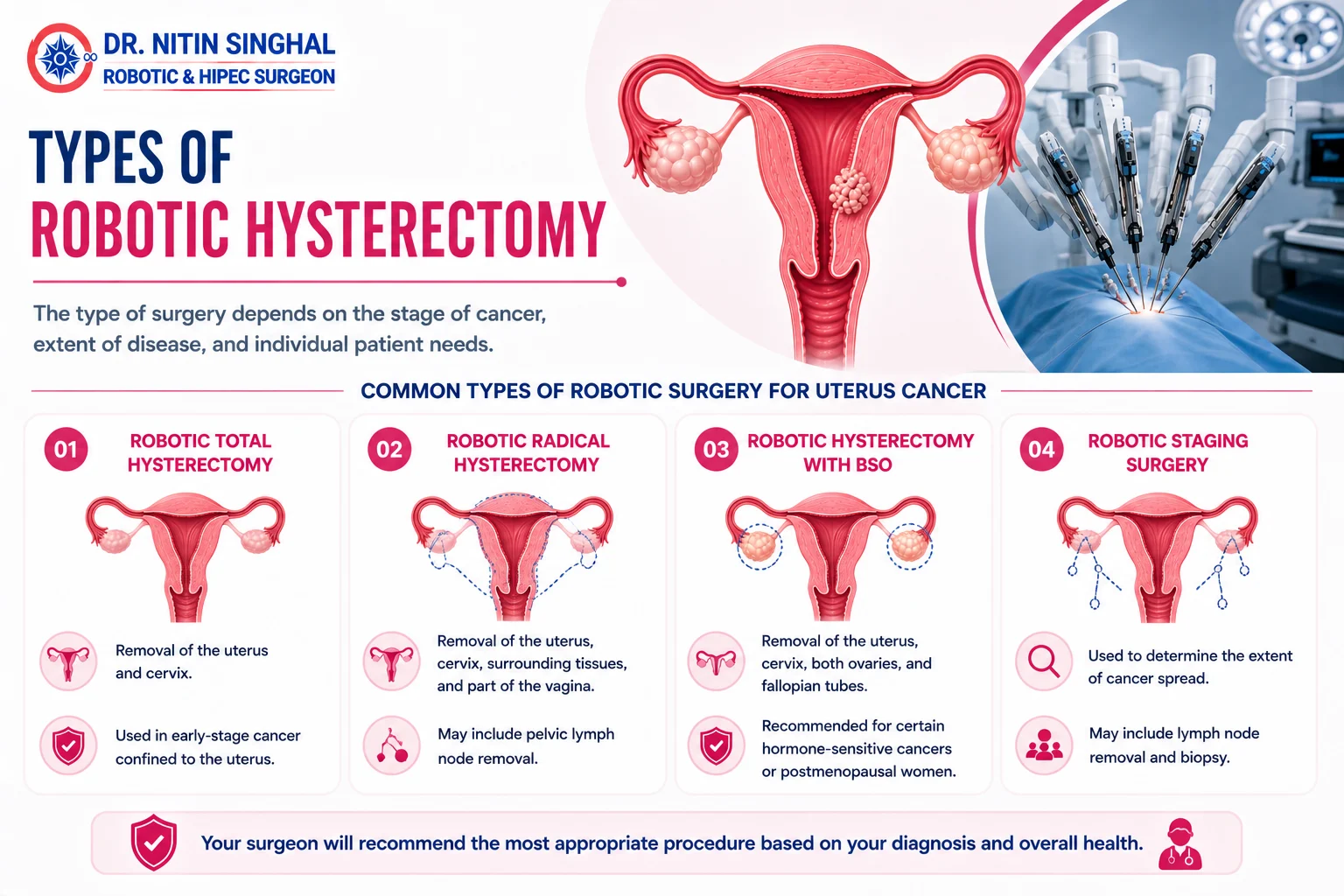
Types of Robotic Uterus Procedures
The specific procedure recommended depends on the cancer's stage, type and whether fertility preservation is a consideration.
Robotic vs Laparoscopic vs Open Uterus Surgery
A general comparison of approach — actual outcomes for any specific patient depend on the procedure and case.
| Feature | Open Surgery | Laparoscopic Surgery | Robotic Surgery |
|---|---|---|---|
| Incisions | Larger, single opening | Smaller | Smaller |
| Visualisation | Direct | Camera-assisted, 2D | Enhanced 3D visualisation |
| Instrument Movement | Conventional, surgeon's hand | Limited range of motion | Wristed, surgeon-controlled robotic instruments |
| Pelvic Dissection | More limited visibility in deep pelvis | Improved over open | Enhanced precision near bladder, ureters & vessels |
| Recovery | Procedure-dependent | Procedure-dependent | Procedure-dependent |
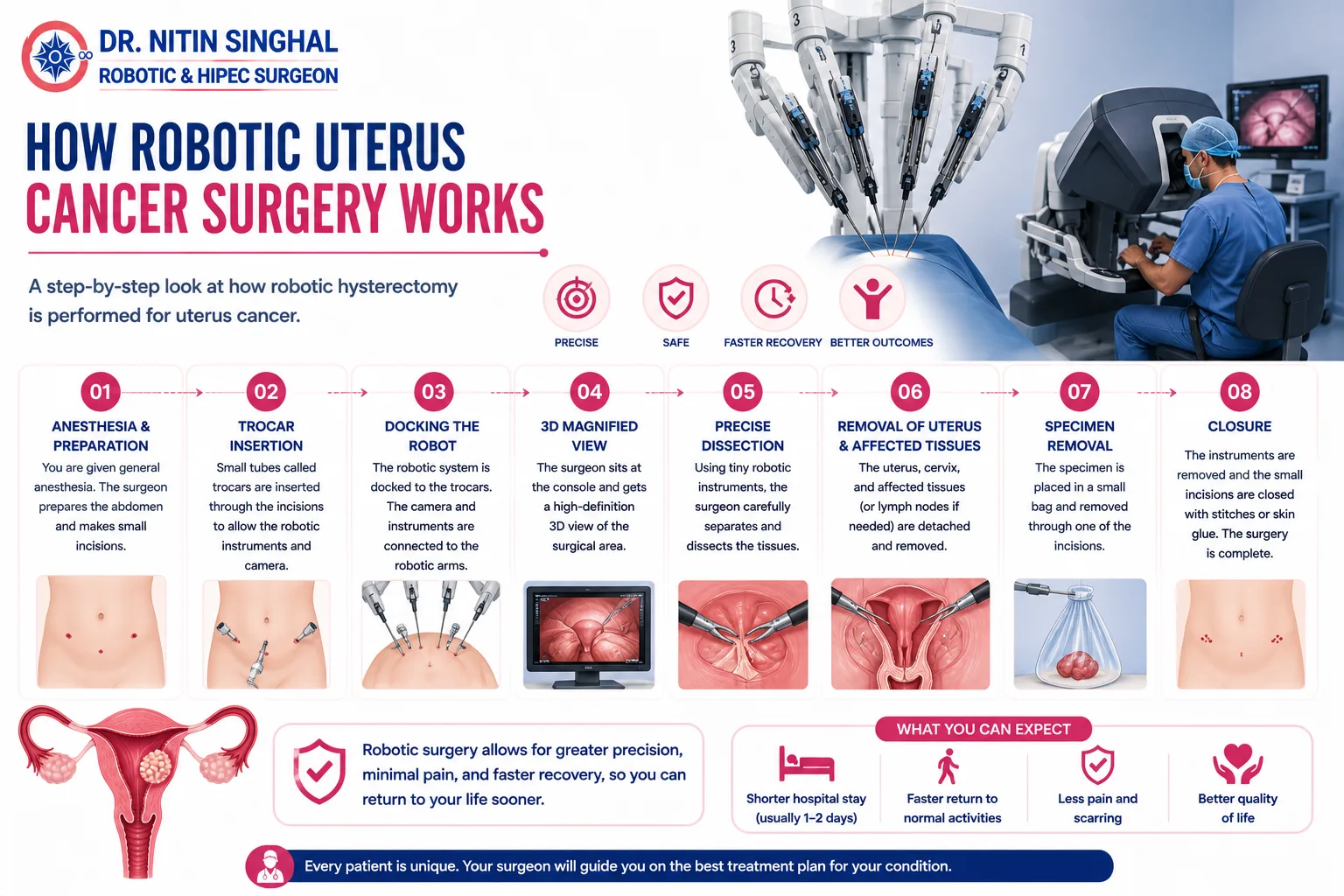
How the Surgery Works, Step by Step
Pre-operative evaluation — final review of imaging, staging and overall fitness for surgery.
Anaesthesia — the patient is placed under general anaesthesia by the anaesthesia team.
Small abdominal incisions — a few small incisions are made to introduce the robotic ports.
Robotic system positioned — the robotic arms are docked and the surgeon operates from the console.
Uterus and surrounding tissue assessed — the uterus, tubes and ovaries are carefully examined and mobilised.
Hysterectomy performed — the uterus, and where indicated the tubes and ovaries, are dissected free and removed.
Lymph node assessment — pelvic and, where needed, para-aortic lymph nodes are removed for accurate staging.
Specimen retrieval — the removed tissue is retrieved, typically through the vagina or one of the small incisions.
Incisions closed — the small incisions are closed, and the patient is moved to recovery.
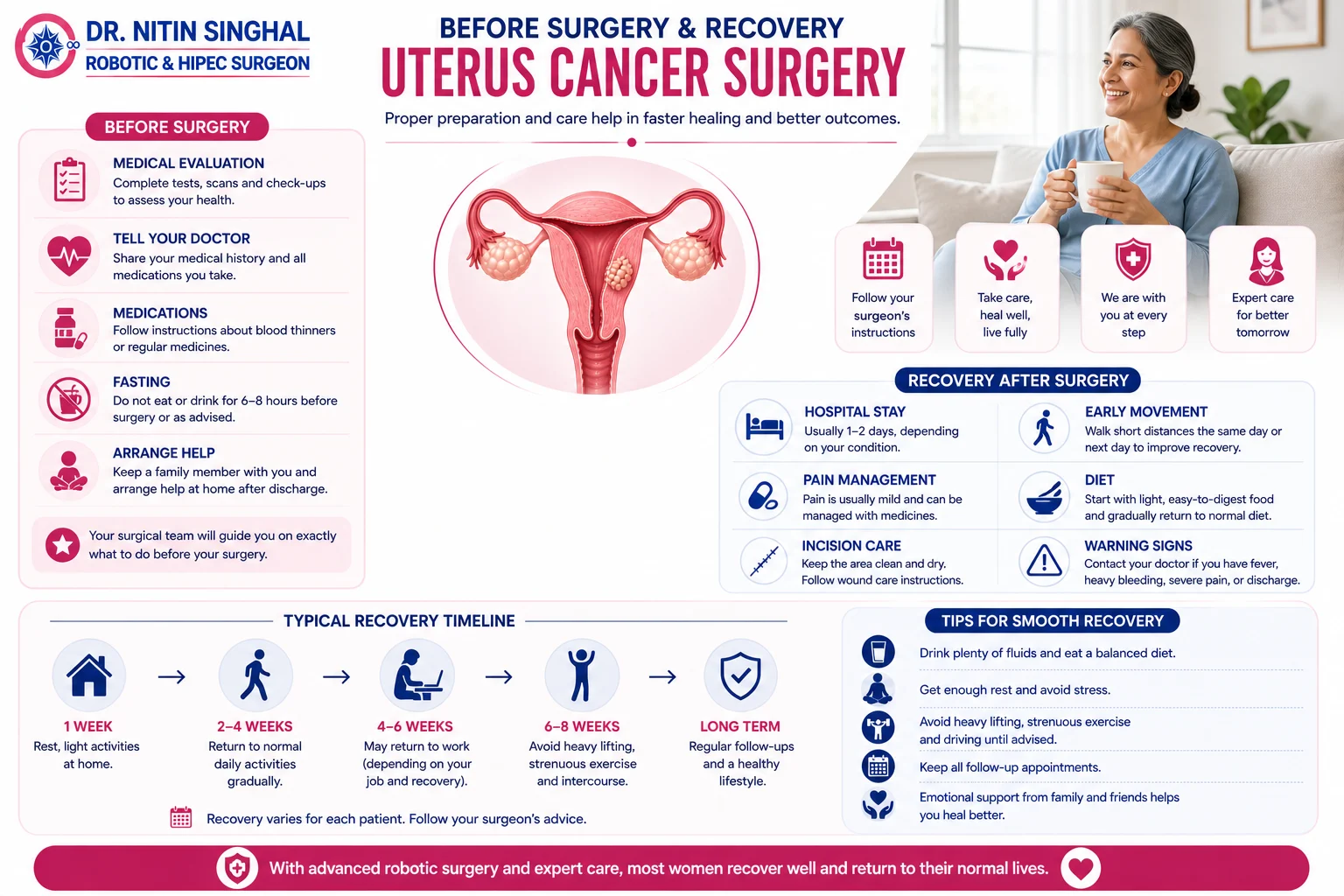
Before Surgery & Recovery Afterwards
Investigations & Review
Final blood tests, imaging review and a medication review before the procedure.
Counselling on Menopause & Fertility
A discussion of what to expect if the ovaries are removed, and fertility-related considerations where relevant.
Anaesthesia Assessment
A pre-anaesthesia check to confirm fitness for the procedure.
Hospital Stay & Pain Management
Typically a short hospital stay of 1–3 days for robotic hysterectomy, with pain managed through recovery.
Gradual Return to Activity
Most patients return to light activity within 2–4 weeks, with full recovery guided by your surgical team.
Long-Term Follow-Up
Scheduled follow-up visits and surveillance to monitor for recurrence.
Risks & Possible Complications
As with any major surgery, uterus cancer surgery carries risks. These should be discussed in detail with your surgical team before deciding on treatment.
Bleeding
As with any surgery, there is a risk of bleeding during or after the procedure.
Infection
Wound or internal infection is a possible complication of any major abdominal surgery.
Injury to Nearby Organs
Given the proximity of the bladder, ureters and bowel, injury to these structures is a recognised risk.
Blood Clots
A risk with any major surgery, managed with preventive measures where appropriate.
Lymphedema
Swelling in the legs can occur if pelvic lymph nodes are removed as part of staging.
Early Menopause
If the ovaries are removed in a premenopausal patient, this brings on immediate surgical menopause.
Myths vs Facts
Patient Reviews & Videos
Verified Google reviews and patient-friendly video explainers, from Dr. Nitin Singhal's robotic & HIPEC cancer surgery practice in Ahmedabad.
Common Questions
What is robotic uterus cancer surgery?
Is hysterectomy the only treatment for uterus cancer?
Will I go into menopause after uterus cancer surgery?
What is the recovery time after robotic hysterectomy?
How long will I stay in the hospital?
Is robotic surgery suitable for every uterus cancer patient?
Will I need chemotherapy or radiation after surgery?
Are fertility-sparing options available?
What are the risks of robotic hysterectomy?
How do I know whether I am a candidate?
Considering Robotic Uterus Cancer Surgery?
Get an expert evaluation to understand your diagnosis, treatment options, and whether robotic hysterectomy may be appropriate for you.