
Robotic Head & Neck Cancer Surgery in AhmedabadTORS · Robotic Thyroid Surgery · Robotic Neck Dissection
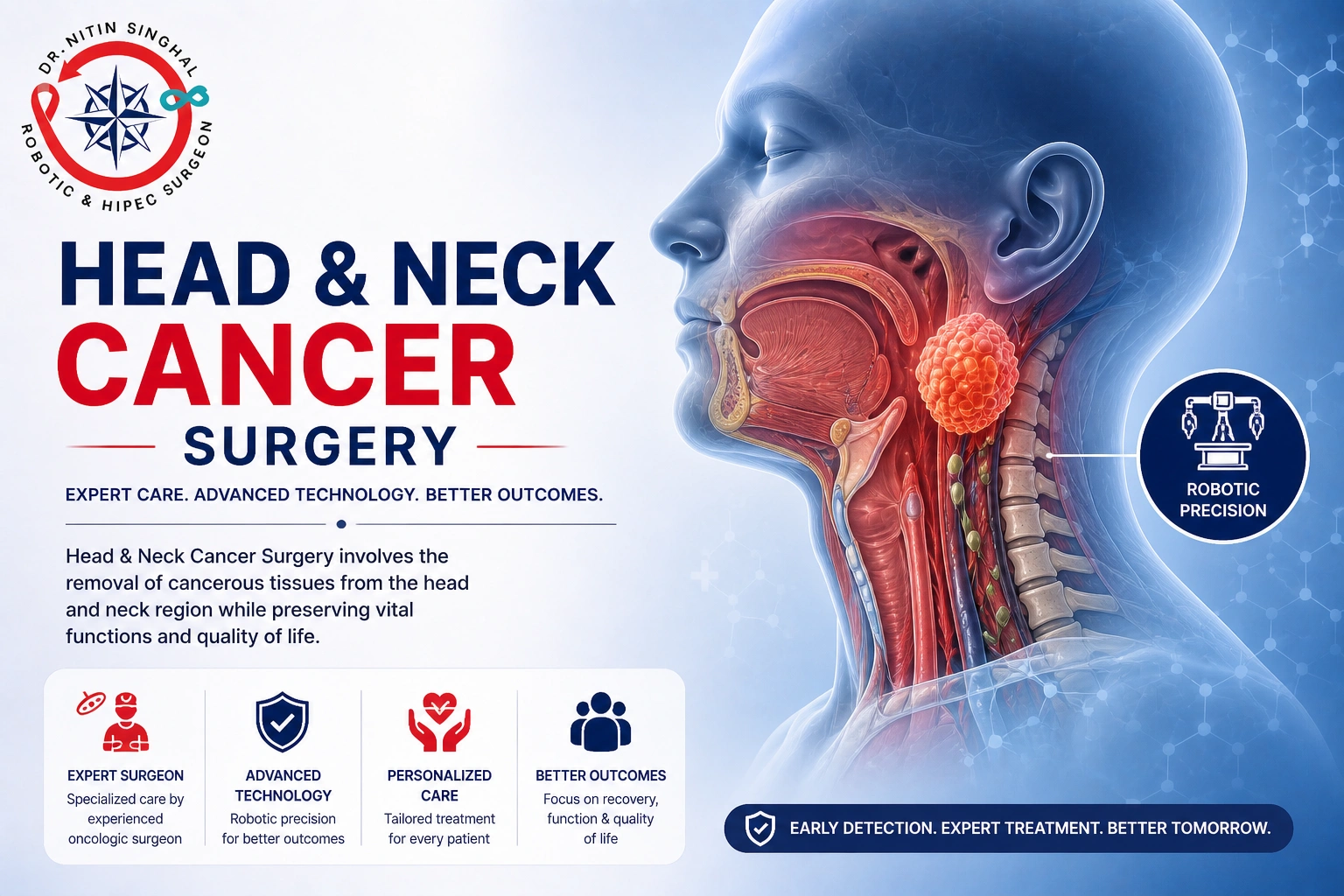
Cancers of the mouth, throat, larynx and neck call for a surgeon who can remove disease safely while protecting the functions that matter most — speech, swallowing and appearance. Dr. Nitin Singhal is a trusted robotic head and neck cancer surgeon in Ahmedabad with 18+ years of experience, using Transoral Robotic Surgery (TORS) and da Vinci precision to treat oral cavity, tongue, thyroid and parotid gland cancers with a function-preserving, patient-first approach.
Discuss Your Case With Dr. Nitin Singhal
Share your reports for a second opinion on a complex or high-risk cancer diagnosis, or call directly to book an in-person consultation.
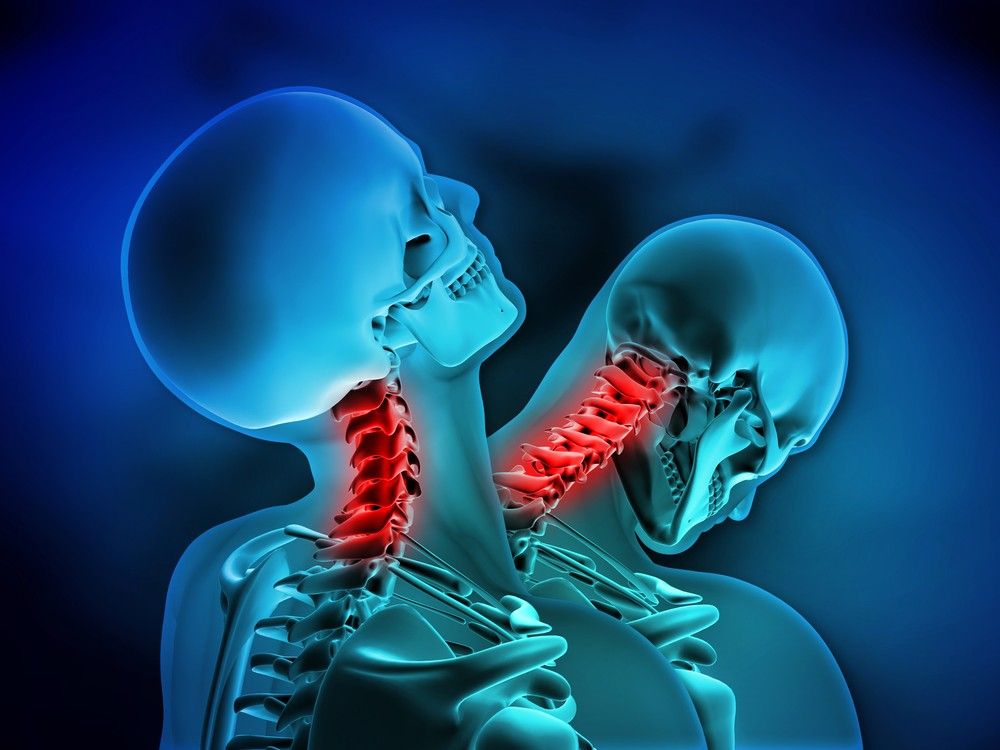
What is Robotic Head & Neck Cancer Surgery?
Robotic head and neck cancer surgery is an advanced, minimally invasive technique used to treat cancers of the mouth, throat, larynx, and nearby structures. Using robotic platforms like the da Vinci Surgical System, Dr. Nitin Singhal operates with high-definition 3D vision and enhanced precision, reaching deep or complex tumour sites that are difficult to access with traditional open surgery — while minimising damage to surrounding healthy tissue.
One of the greatest advantages of this approach is its ability to preserve vital functions such as speech, swallowing and appearance. Patients benefit from smaller incisions, reduced blood loss, less scarring, and a quicker return to daily life, alongside careful, function-preserving surgical planning.
Robotic Thyroid Surgery & TORS
These two procedures form the backbone of our robotic head and neck programme — explore each in detail below.
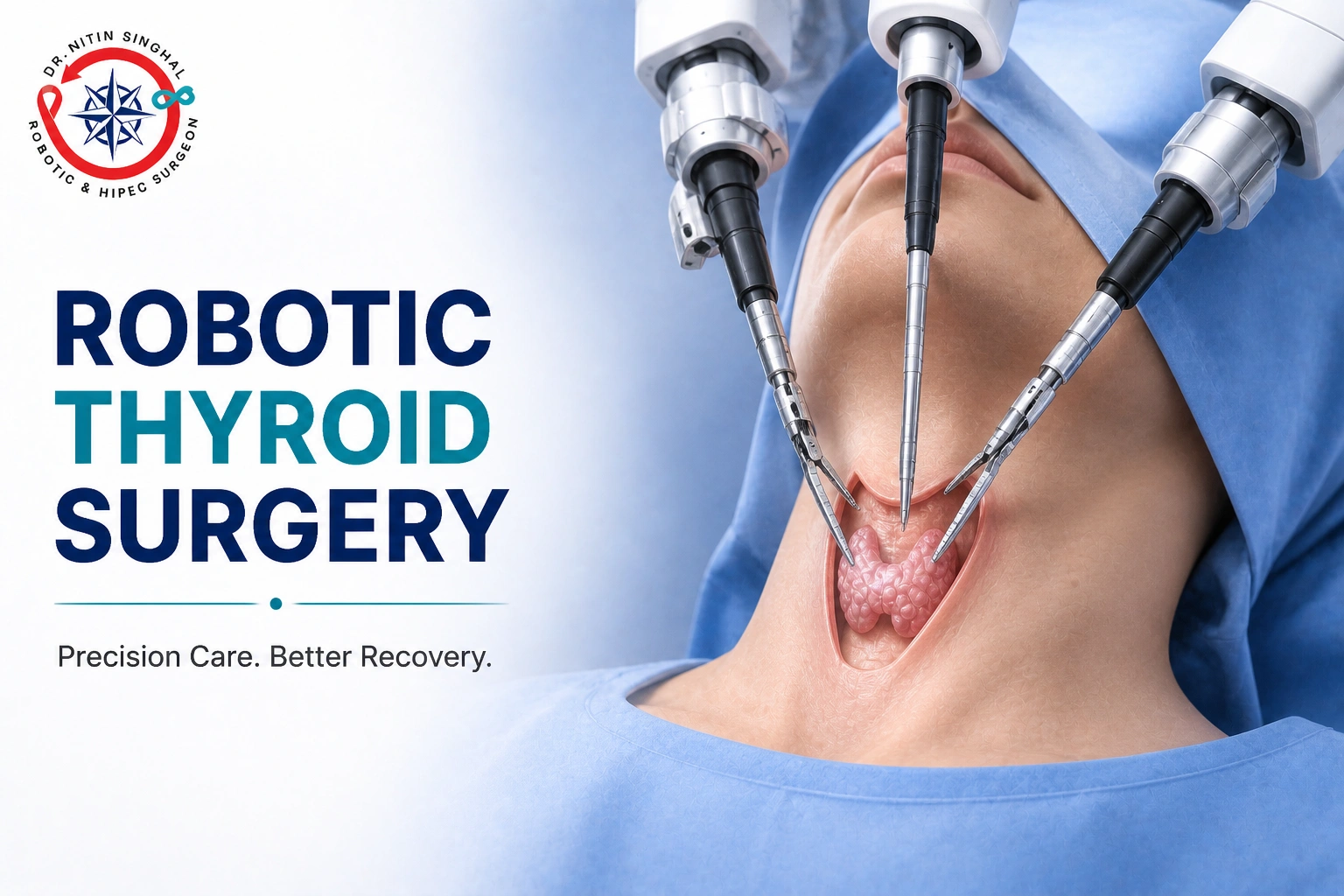
Robotic Thyroid Surgery
A minimally invasive way to remove all or part of the thyroid gland, performed through hidden incisions in the armpit or behind the ear instead of a visible cut across the neck. It's commonly used for thyroid cancer, large nodules and goitres, and the robot's magnified 3D view helps protect the delicate nerves and parathyroid glands nearby — supporting normal speech and calcium balance after surgery. Patients typically see less pain, a shorter hospital stay and a far less noticeable scar than with open thyroid surgery.
Read More →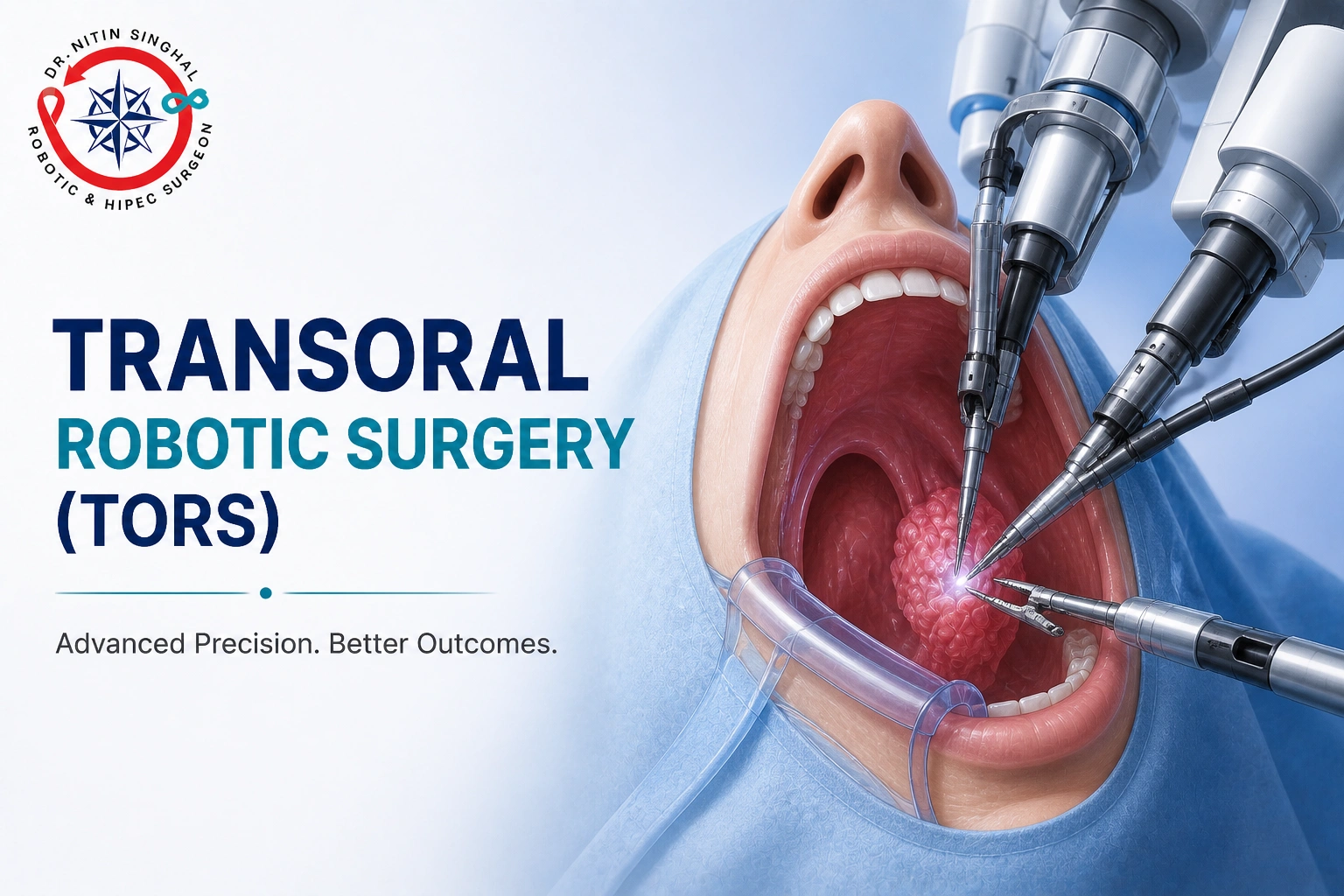
Transoral Robotic Surgery (TORS)
TORS allows tumours of the throat — including the tonsils, soft palate and base of the tongue — to be reached and removed entirely through the mouth, with no external incisions on the face or neck. Using wristed robotic instruments and a magnified 3D camera, Dr. Singhal can operate precisely in tight spaces that are difficult to access with conventional surgery, which helps preserve speech and swallowing function. It's often an option for patients who might otherwise need more extensive open surgery or additional radiation.
Read More →Types of Robotic Head & Neck Cancer Surgery
Function-preserving robotic techniques across the full range of head and neck malignancies.
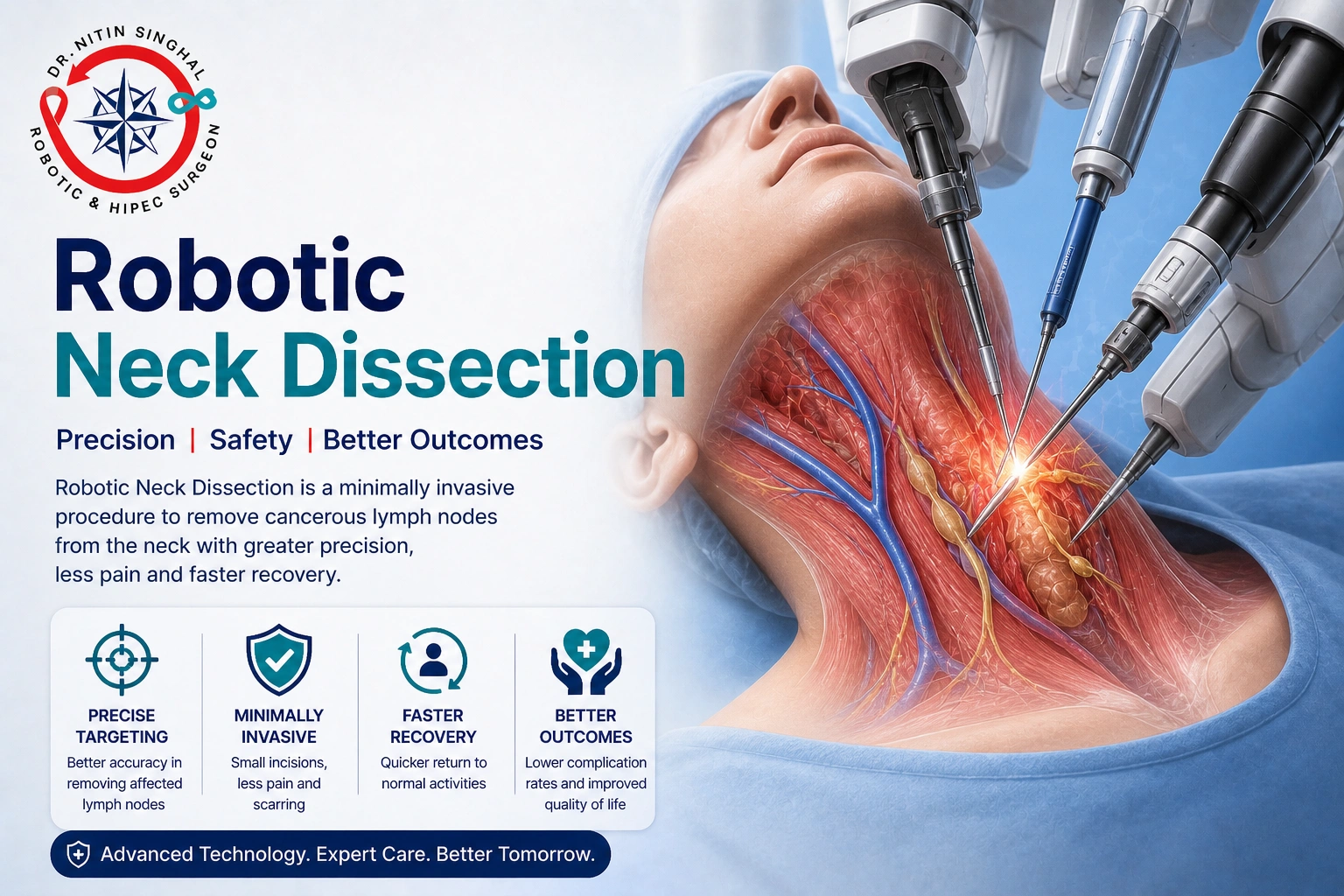
Robotic Neck Dissection
A minimally invasive technique to remove lymph nodes in the neck through hidden incisions, reducing visible scarring.
Transoral Robotic Surgery (TORS)
Used to resect tumours in the throat, tonsils and base of the tongue through the mouth, without any external incisions.
Robotic Thyroid Surgery
Removes thyroid tumours through remote incisions — under the arm or behind the ear — to avoid visible neck scarring.
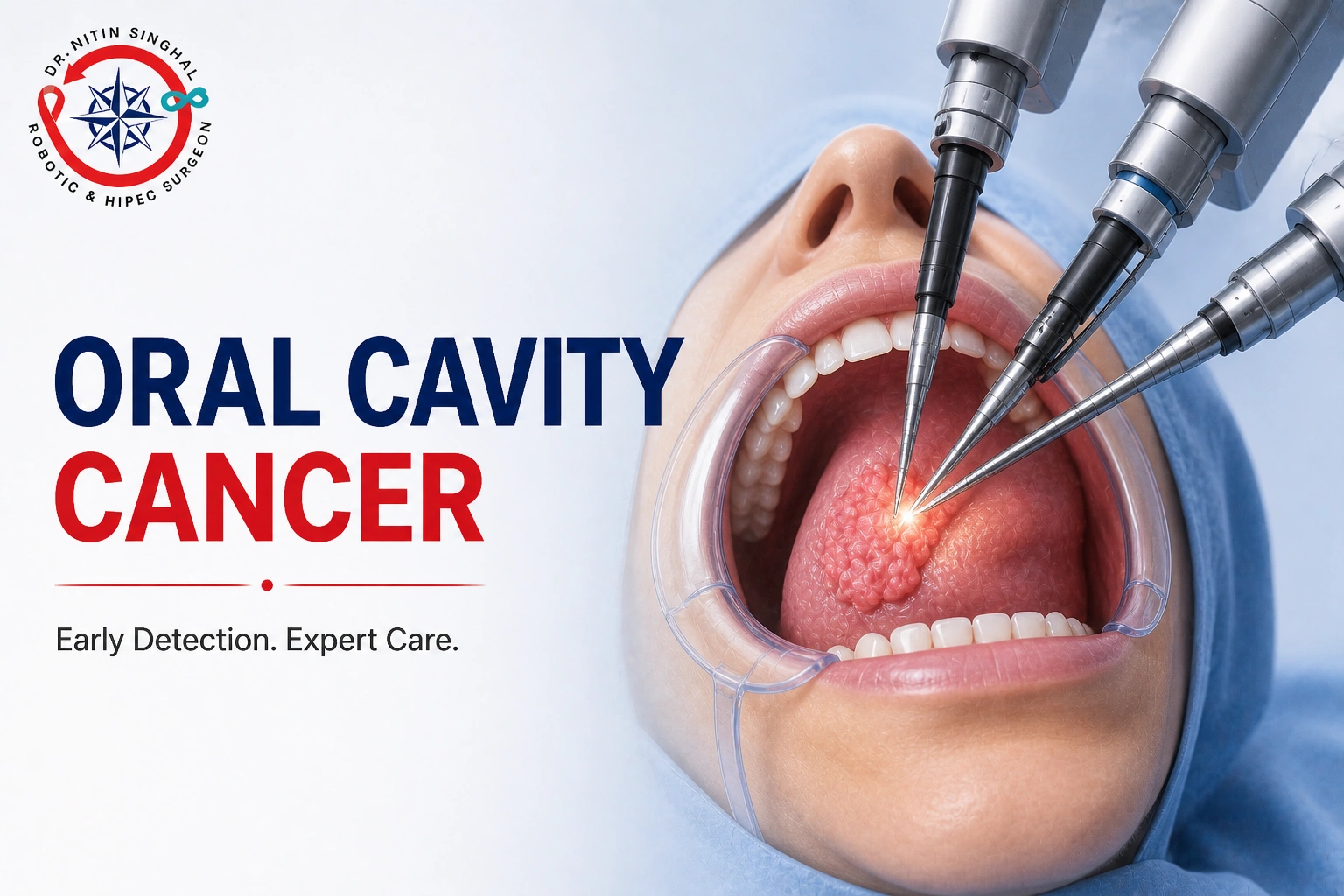
Oral Cavity Cancer
Affecting the lips, gums or inner cheeks, often presenting as a persistent sore or lump. Early diagnosis enables effective surgical removal.
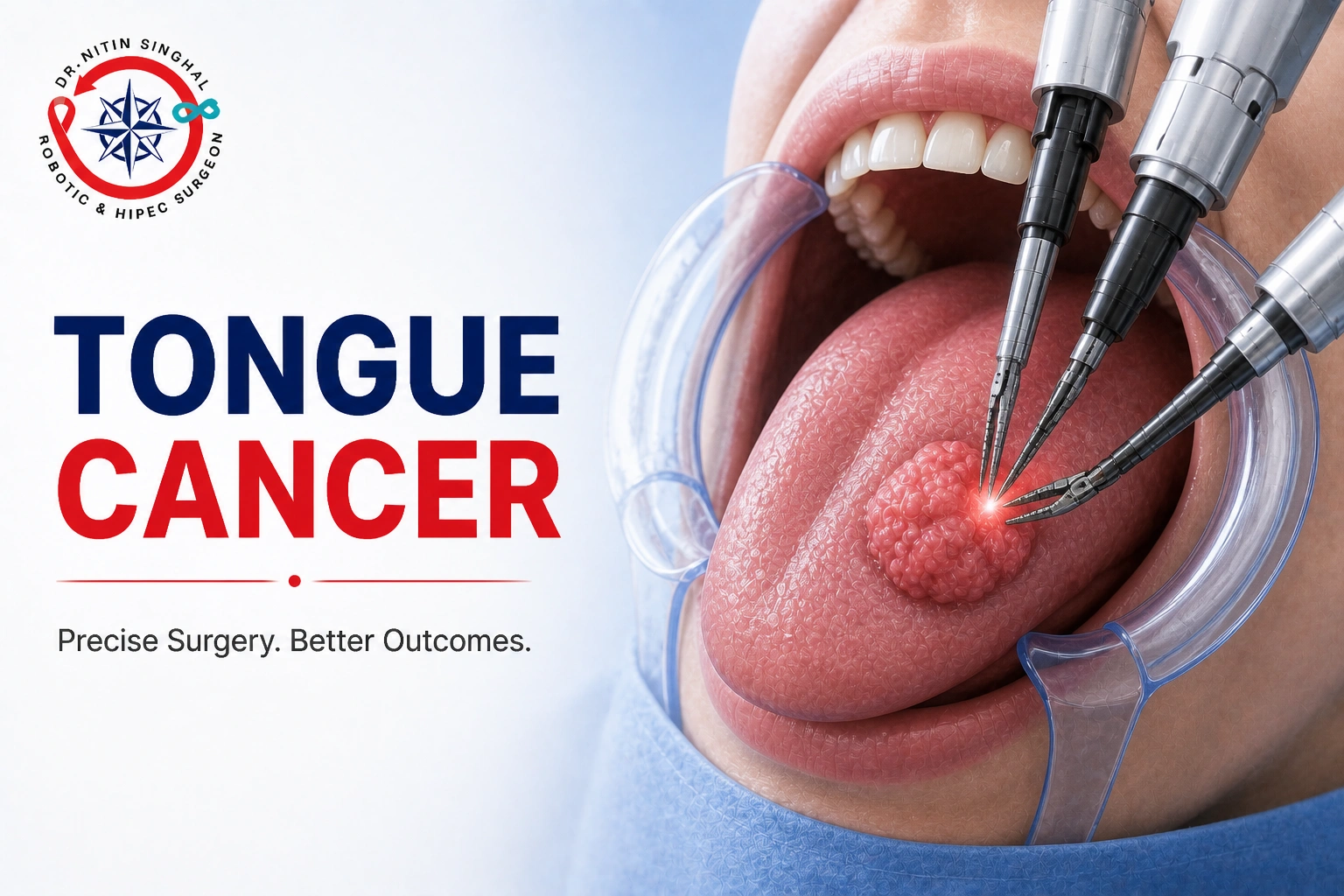
Tongue Cancer
Typically appears as a non-healing ulcer or growth on the tongue. Prompt surgical intervention helps preserve speech and swallowing.
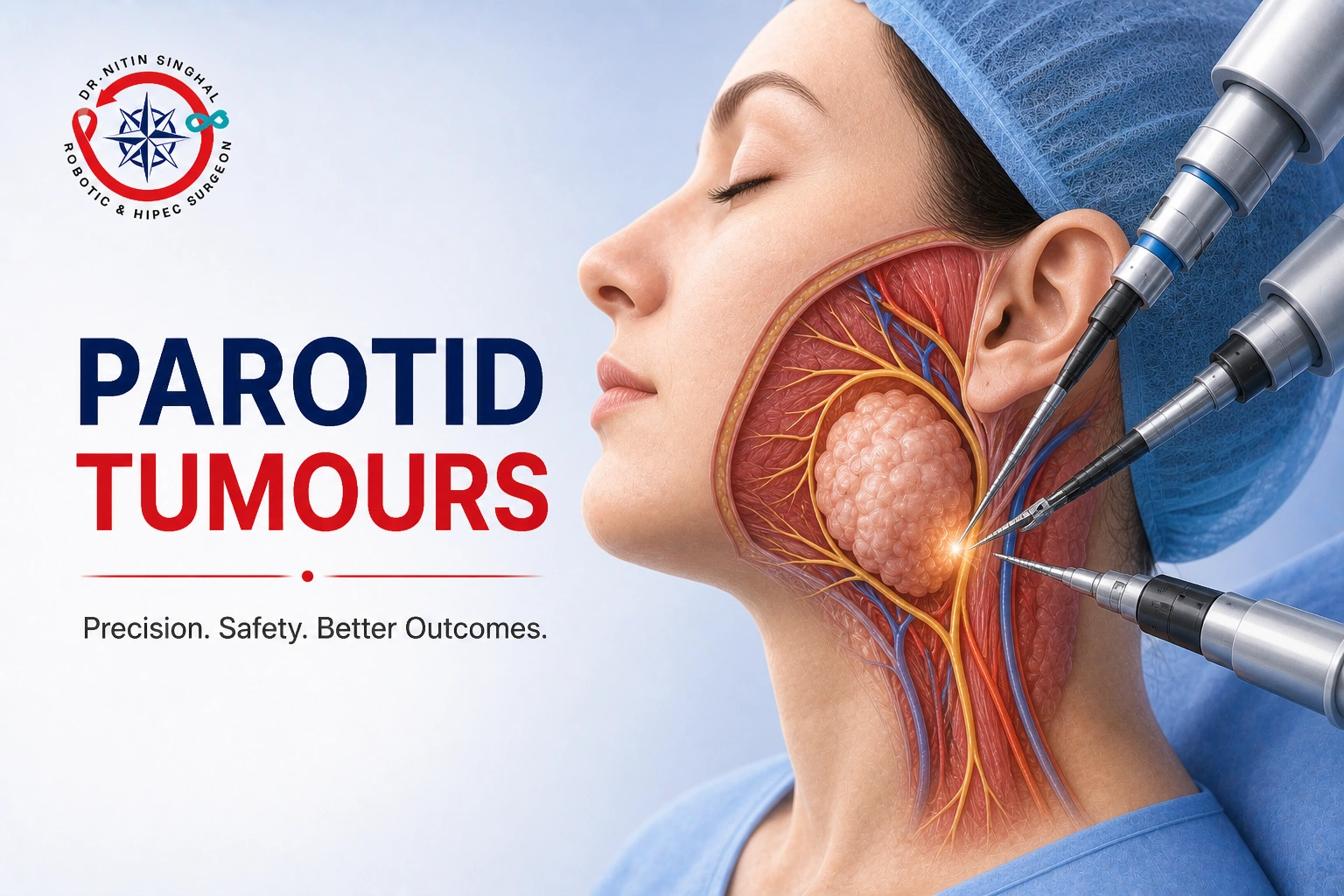
Parotid Tumours
Tumours arising in the salivary glands near the ear. While most are benign, surgical removal is essential for diagnosis and treatment.
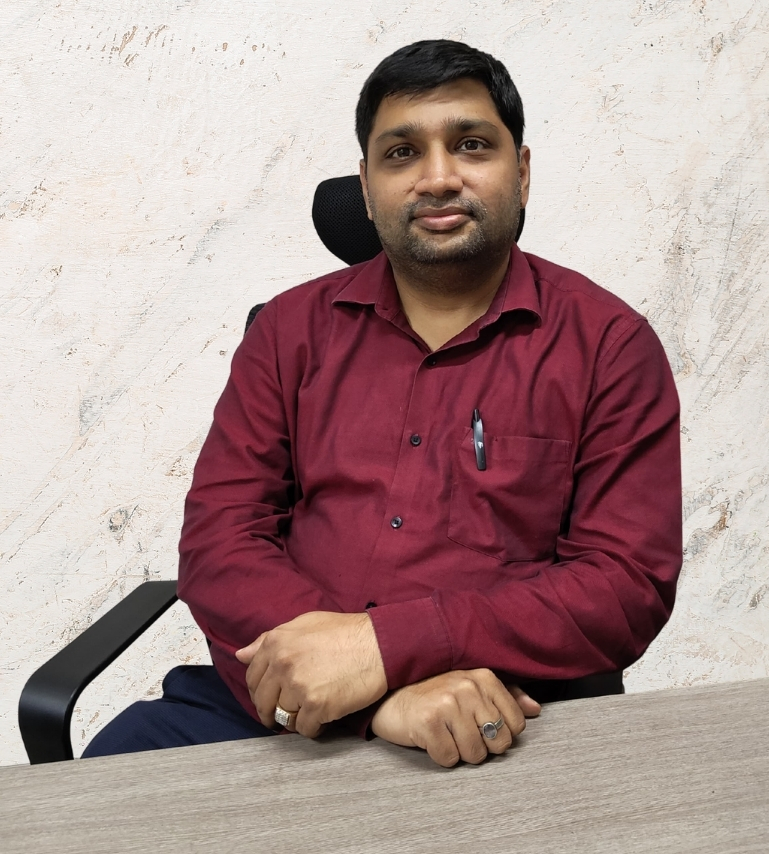
Why Choose Dr. Nitin Singhal for Robotic Head & Neck Cancer Surgery?
Dr. Nitin Singhal is a robotic and HIPEC cancer surgeon with 18+ years of experience and over 5,000 major cancer surgeries. He specialises in GI, thoracic, gynaecology, urology, and head & neck cancers, offering advanced robotic procedures with precision and compassion — making him one of the most trusted names in cancer care.
Expertise
Unmatched expertise in robotic head and neck cancer surgeries, treating cancers of the mouth, throat, and larynx with precision-driven, function-preserving techniques.
Infrastructure
Surgeries performed in state-of-the-art hospitals with next-generation robotic platforms, advanced imaging, and modern ICUs, backed by a multidisciplinary team.
Techniques
Da Vinci Surgical System with 3D magnified vision — smaller incisions, minimal blood loss, faster recovery, and targeted access to deep tumour sites.
What Our Patients Say
Live reviews collected from Google, reflecting real patient experiences with Dr. Nitin Singhal and his team.
Diagnosed with tongue cancer and very anxious about losing my ability to speak clearly. Dr. Singhal explained the robotic option calmly and the surgery went smoothly — my speech and swallowing recovered far better than I expected.
Had robotic thyroid surgery here and there's barely any visible scar on my neck. The team was professional at every step, from the first consultation through to recovery, and Dr. Singhal took the time to answer all our questions.
My father's parotid tumour was removed with great care by Dr. Singhal and his team. The facial nerve was preserved and his recovery was quicker than we were told to expect. We are truly grateful for the compassionate treatment.
Robotic Head & Neck Cancer Surgery, Answered
Common symptoms include a persistent sore throat, difficulty swallowing, hoarseness, an unexplained lump in the neck, ear pain, or a mouth ulcer that does not heal. Unexplained weight loss, nosebleeds, or difficulty breathing can occur in more advanced cases. Any symptom lasting more than two weeks should be evaluated by a specialist.
The most common type is squamous cell carcinoma, which develops in the cells lining the mouth, throat and voice box. It is strongly associated with tobacco and alcohol use, and in some cases with HPV infection. Early detection significantly improves treatment outcomes.
Head and neck cancers are often treatable when detected early. Advances in robotic surgery, radiation therapy and targeted treatments have improved outcomes for many patients, though this depends on the cancer's stage, type, and the patient's overall health. Regular follow-up care plays an important role in long-term outcomes.
Stage I neck cancer refers to a small tumour, usually under 2 cm, confined to its original site without spread to lymph nodes or distant organs. Cancer detected at this stage is generally more treatable, which is why regular check-ups and prompt evaluation of symptoms matter.
TORS is a robotic surgical technique used to remove tumours in the throat, tonsils and base of the tongue through the mouth, without external incisions — helping preserve speech and swallowing function while achieving safe tumour removal.
Concerned About a Lump, Sore Throat, or Thyroid Swelling?
Share your reports for a second opinion, or call to book a consultation with Dr. Nitin Singhal today.