
Robotic Cancer Surgery with the Precision You Deserve
Dr. Nitin Singhal performs advanced robotic-assisted cancer surgery using the Da Vinci Surgical System, bringing 18+ years of experience in surgical oncology to combine a magnified 3D view with steady, tremor-free instrument control for safer, minimally invasive operations and faster recovery.
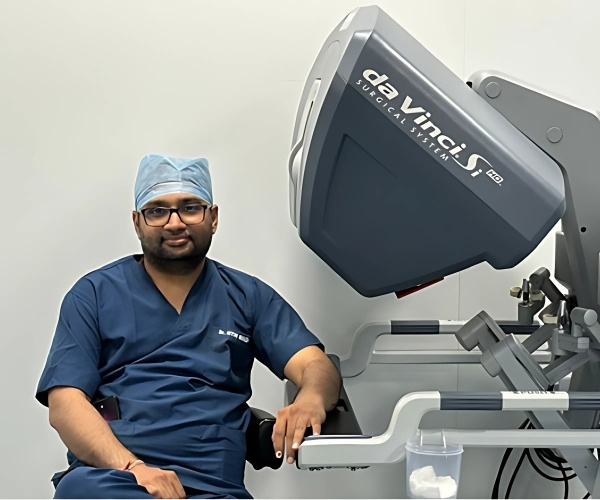
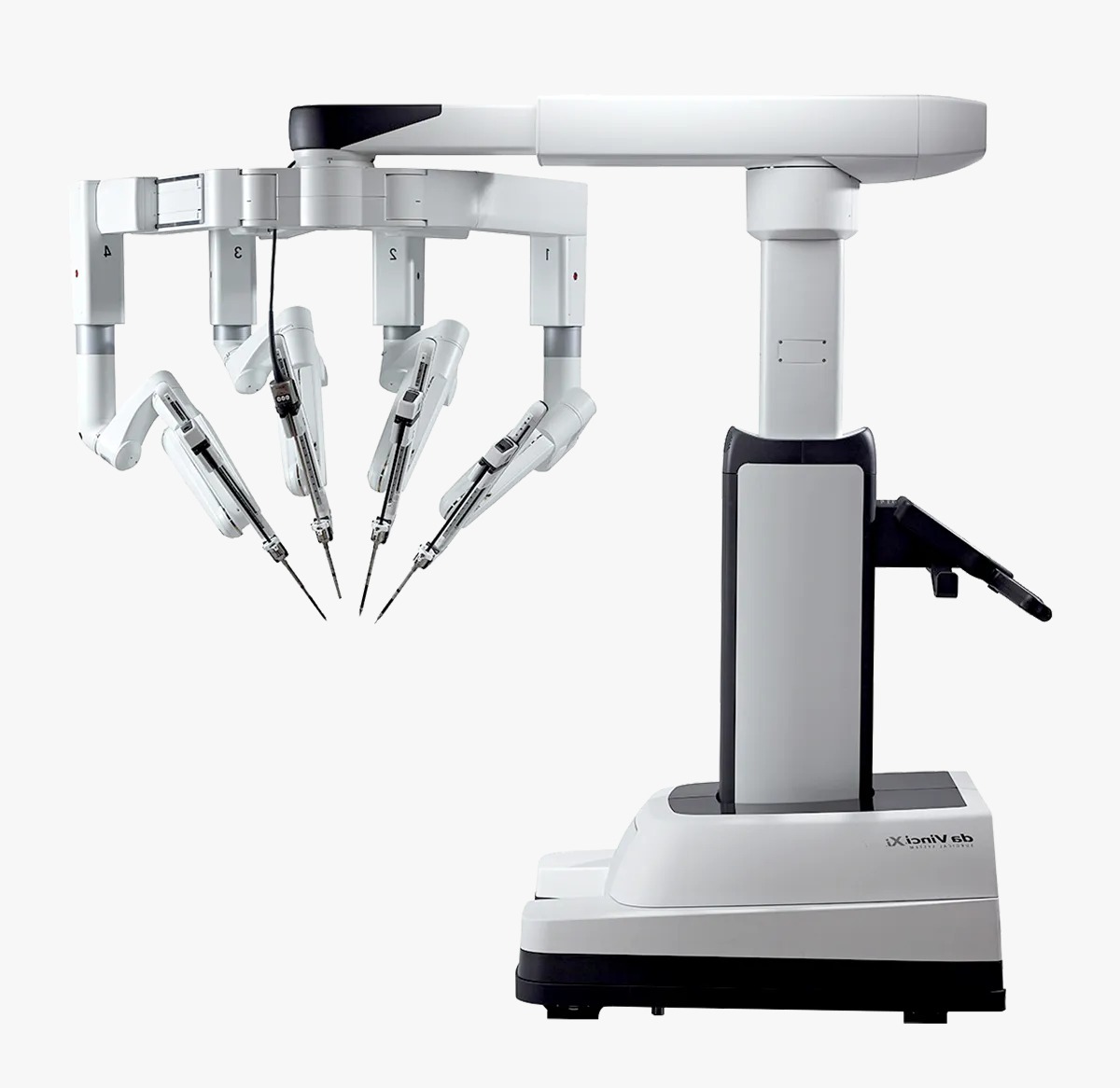
Advanced Technology, Skilled Hands
Robotic surgery for cancer combines advanced technology with the skill of a highly trained surgeon to deliver accurate, minimally invasive treatment. Using the Da Vinci Robotic Surgical System, these operations are designed to support better outcomes and shorter recovery periods than traditional open surgery.
Surgeons can carry out complex cancer surgeries with far greater precision and control, thanks to a magnified, high-definition, three-dimensional view of the body's intricate anatomy — filtering out hand tremor and translating every movement into smooth, exact motion inside the body.
The Da Vinci system uses specialised instruments that are smaller, more flexible, and more dexterous than a human hand, simulating natural wrist movement for superior accuracy in the most delicate cancer operations.
Robotic Cancer Care Across Every Speciality
Dr. Singhal offers robotic-assisted surgery across the following cancer specialities, each tailored to the patient's diagnosis and stage.

Robotic GI Cancer Surgery
Covers cancers of the gastrointestinal tract and associated organs — stomach, colon, pancreas, liver and more.
Read More →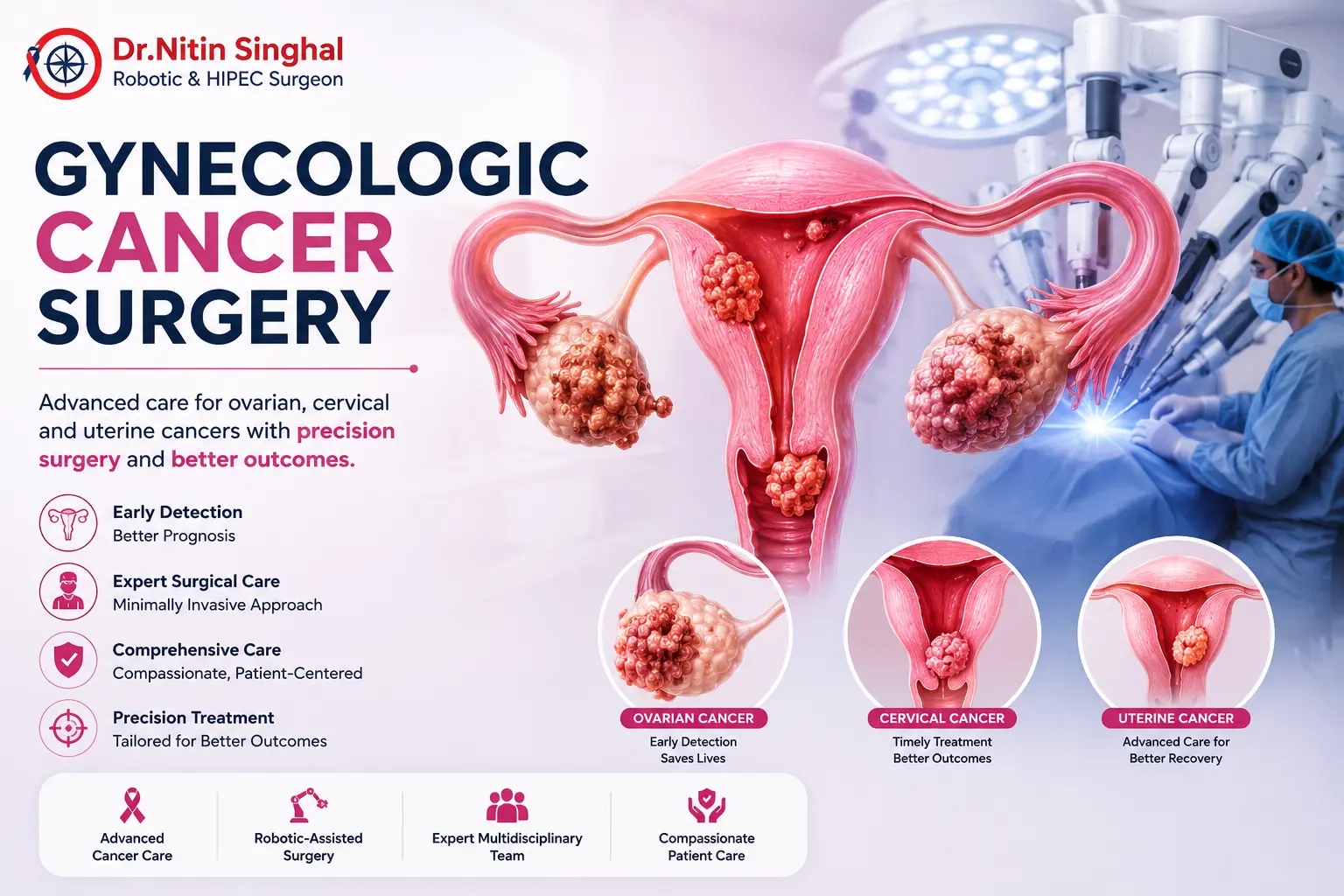
Robotic Gynecology Cancer Surgery
Minimally invasive treatment of cancers affecting the female reproductive system.
Read More →
Robotic Urology Cancer Surgery
Precision surgery for cancers of the urinary system and male reproductive organs.
Read More →
Robotic Thoracic Cancer Surgery
Robotic-assisted treatment for cancers developing inside the chest cavity.
Read More →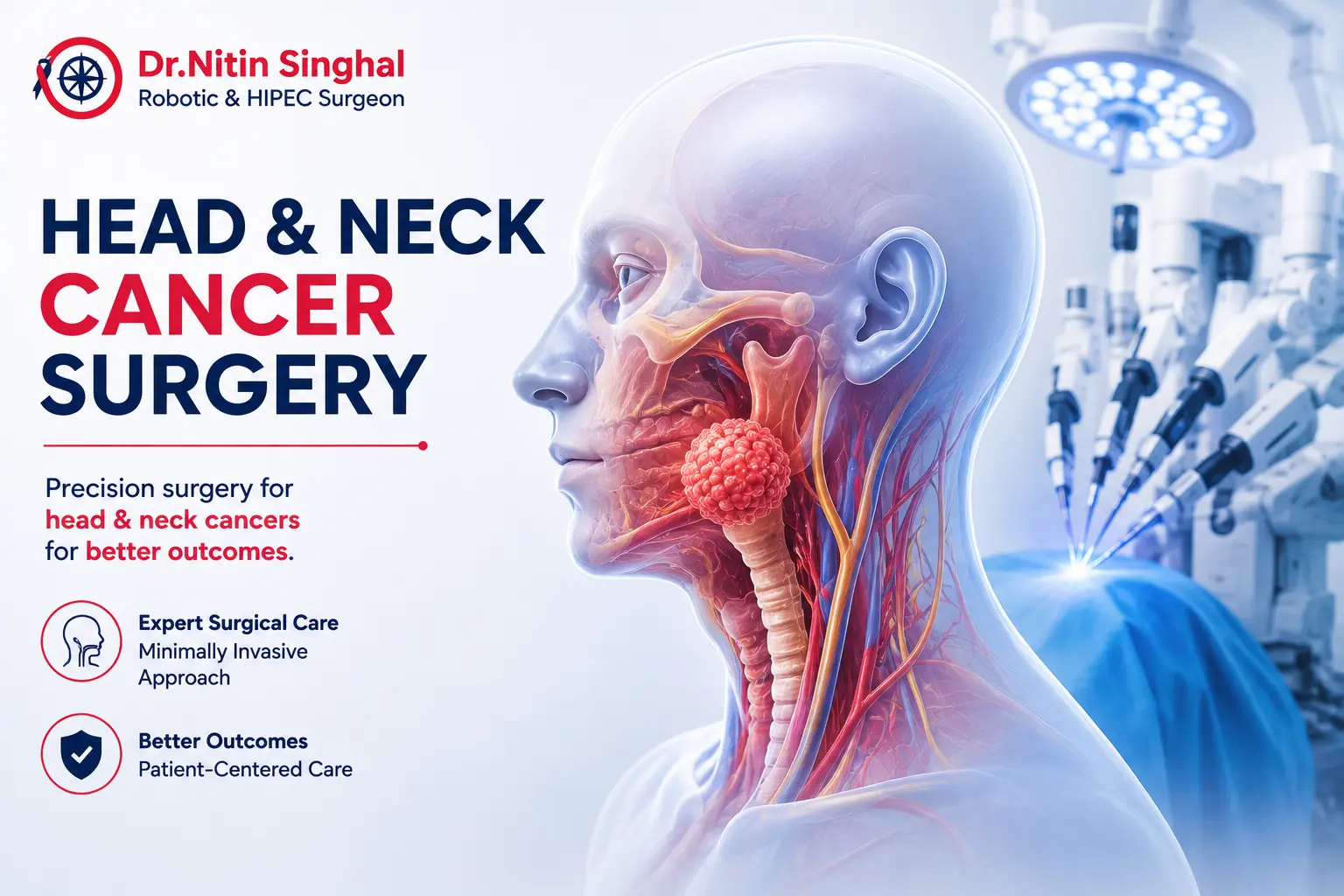
Robotic Head & Neck Cancer Surgery
Precision surgery for cancers of the mouth, throat, sinuses and salivary glands.
Read More →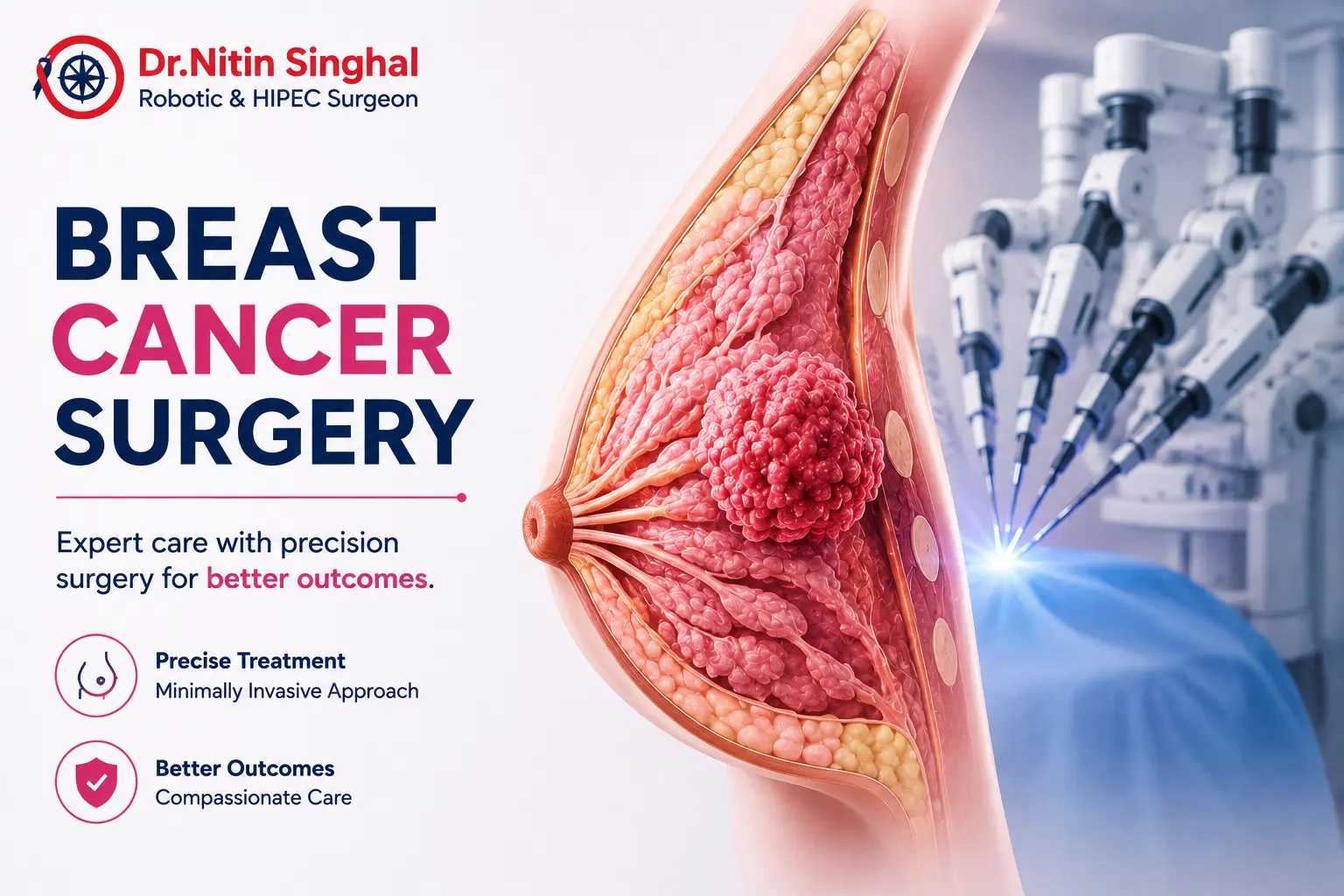
Robotic Breast Cancer Surgery
Minimally invasive surgery for abnormal, uncontrolled cell growth in breast tissue.
Read More →
Other Robotic Surgery
Additional robotic cancer treatments including Sarcoma, HIPEC and more complex cases.
Read More →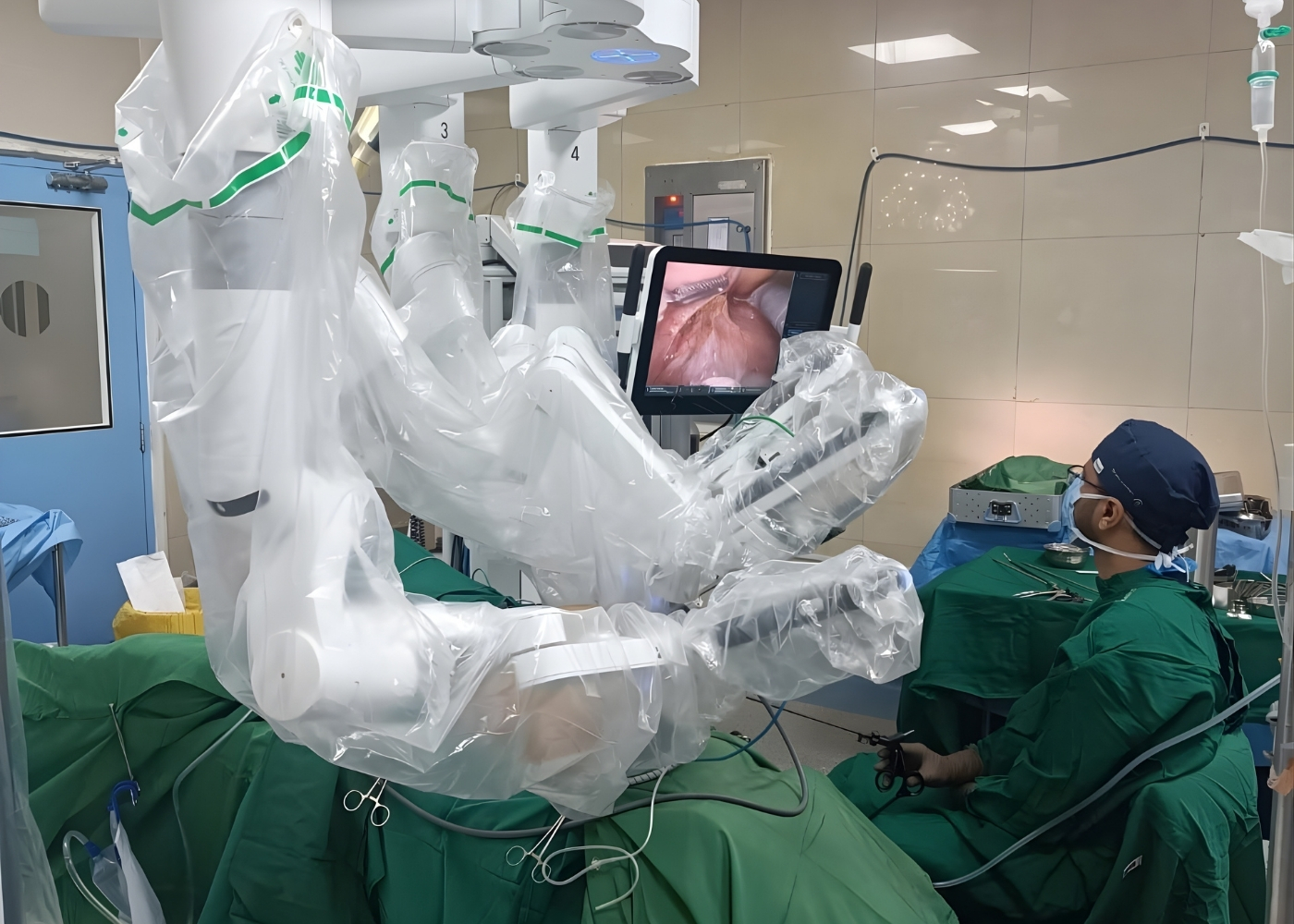
How Robotic Surgery Works
Using tiny instruments and a high-definition 3D camera, Dr. Singhal controls the robotic arms with extreme precision from a console beside the patient.
High-Definition 3D View
The surgeon operates through a console equipped with a high-definition 3D camera that provides a magnified view of the surgical area.
Vibration-Free Movements
The robotic system filters out even the slightest hand tremor, translating the surgeon's hand movements into steady, micro-precise motions.
Real-Time Control by the Surgeon
Contrary to common myths, the robot never acts autonomously — every movement is fully controlled by Dr. Singhal in real time.
Robotic Surgery vs. Traditional Surgery
| Feature | Robotic Surgery | Traditional Surgery |
|---|---|---|
| Incision Size | Tiny | Large |
| Blood Loss | Minimal | More |
| Pain & Discomfort | Lower | Higher |
| Recovery Time | Days | Weeks |
| Hospital Stay | 1–3 Days | 5–7 Days |
Benefits of Robotic Surgery

Faster Recovery
Recovery times are typically shorter with minimally invasive procedures.

Reduced Hospital Stay
Patients are often able to return home sooner after surgery.

Lower Risk of Wound Infection
Infection risk is generally reduced with smaller incisions.

Less Damage to Healthy Tissue
Improved control helps protect the surrounding healthy tissue.

Precision-Focused Cancer Care
Precise tumour removal with an emphasis on preserving function.

Minimal Blood Loss
Intraoperative bleeding is typically reduced through surgical precision.
Why Dr. Nitin Singhal for Robotic Cancer Surgery?
Dr. Nitin Singhal brings deep knowledge and trust to every patient's cancer journey. He is recognised as one of the leading robotic surgeons for cancer treatment in India.
His goal is always to identify problems quickly, deliver the right care, and earn trust at every step of the way — ensuring every patient gets the guidance and support they need throughout treatment.
When it comes to robotic cancer treatment, Dr. Singhal is committed to providing advanced care with empathy and excellence.
Know More About Dr. Singhal →Written & medically reviewed by Dr. Nitin Singhal, MBBS, MS, MCh Surgical Oncology (Tata Memorial Centre, Mumbai). Last reviewed: September 2026.

Two Nationally-Reported World Records
Extreme oncological cases that demanded advanced surgical judgement, precision planning, and multidisciplinary coordination — widely covered by national media including The Times of India.
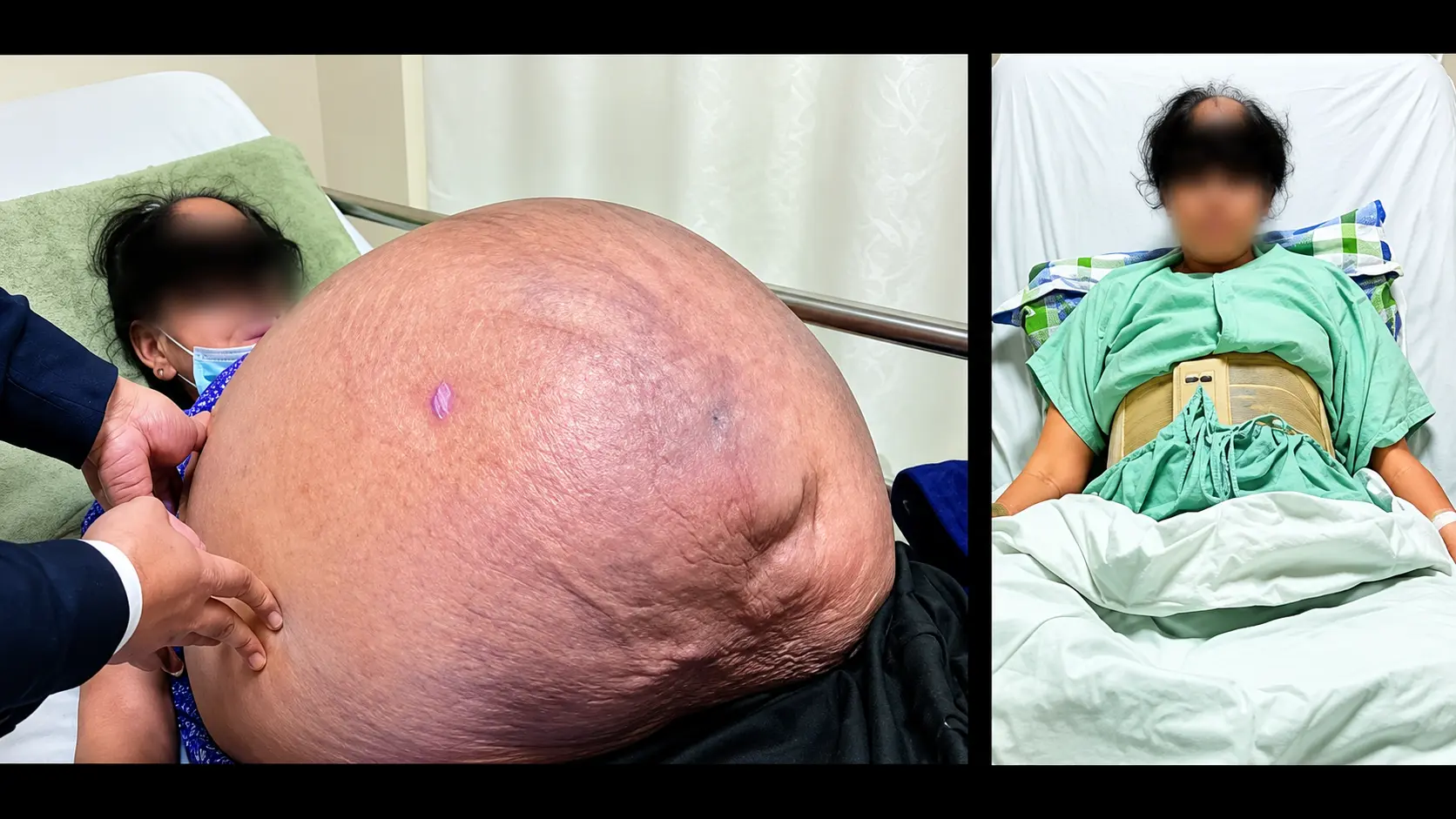
47 kg Tumour Removed — Patient Weighed 49 kg After Surgery
One of the largest non-ovarian tumours ever surgically removed and documented in India. A 56-year-old woman had carried the 47 kg mass for 18 years; doctors could not weigh her before the operation as she was unable to stand straight, but she weighed just 49 kg once the tumour was removed — a high-risk procedure requiring exceptional surgical precision to safely save the patient's life.
Read coverage on Times of India →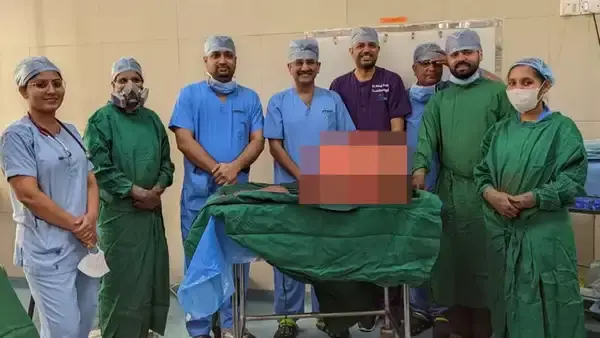
3.1 kg Wilms Tumour in a 3-Year-Old
A rare pediatric case in which a tumour weighing 3.1 kg — around 22% of the child's body weight — was removed from a three-year-old's abdomen, restoring the young patient to health through careful pediatric oncologic surgery.
Read coverage on Times of India →Robotic Surgery — Frequently Asked
For many suitable cases, robotic surgery is associated with improved outcomes and a reduced risk of complications compared with traditional open surgery. Suitability and expected outcomes depend on the specific diagnosis, stage and overall health, and are assessed individually during consultation.
The average full recovery time is around 4 to 6 weeks, though patients typically go home within 1–3 days of surgery.
Compared with traditional open surgery, robotic surgery is generally associated with less pain during recovery, a lower risk of infection and reduced blood loss, though as with any surgery, individual risk depends on the specific case.
Robotic surgery is generally less painful than traditional open surgery, thanks to smaller incisions and less tissue disruption.
Robotic systems give surgeons a magnified 3D view and tremor-free precision, allowing complex tumour removal with better control and, in suitable cases, improved patient outcomes.
Discover How Robotic Cancer Surgery Can Support Your Recovery Journey
Share your reports for a second opinion, or call to book a consultation today.