
Robotic Radical Nephrectomy in Ahmedabad
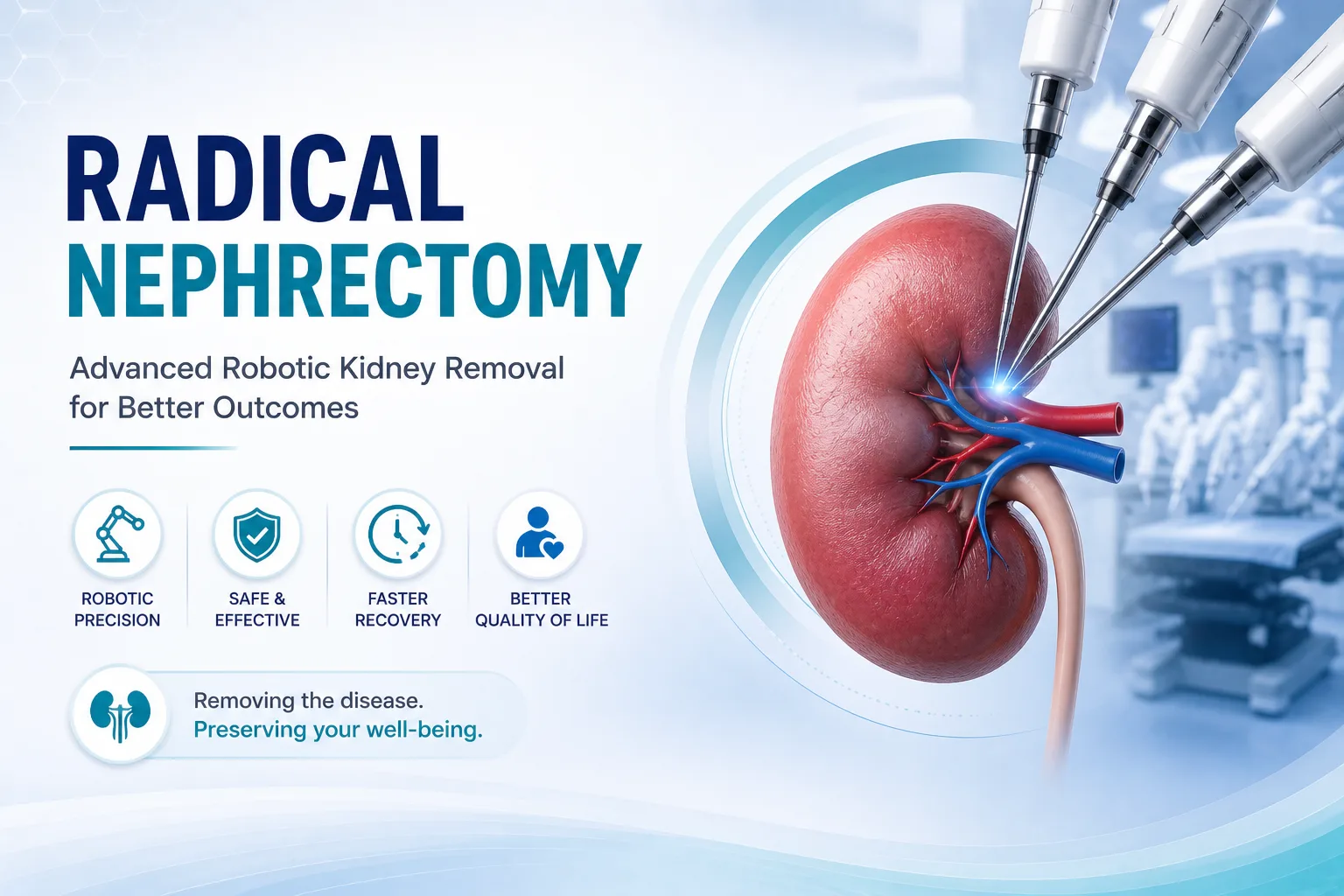
Dr. Nitin Singhal offers robotic-assisted radical nephrectomy in Ahmedabad, bringing 18+ years of experience to the complete, minimally invasive removal of kidneys affected by larger or centrally located tumours.
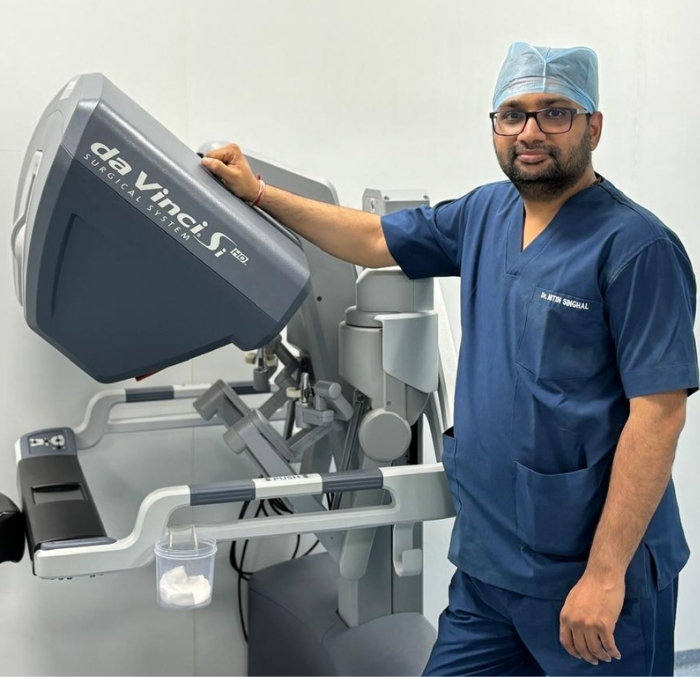
Dr. Nitin Singhal
Dr. Nitin Singhal is a Robotic and HIPEC surgeon based in Ahmedabad, specialising in urologic oncology, including kidney cancer requiring radical nephrectomy. He combines robotic-assisted technique with a patient-first approach, aiming for complete oncologic removal with the least possible disruption to recovery.
What Is a Radical Nephrectomy?
A radical nephrectomy is the complete surgical removal of a kidney, usually together with the surrounding fatty tissue (Gerota's fascia) and, in select cases, nearby lymph nodes or the adrenal gland. It is most often recommended for larger kidney tumours, tumours located centrally within the kidney, or where a kidney-sparing (partial) approach isn't safe or technically feasible.
The decision between radical and partial nephrectomy is made individually, weighing the tumour's size, location, involvement of major blood vessels, and the health of the remaining kidney.
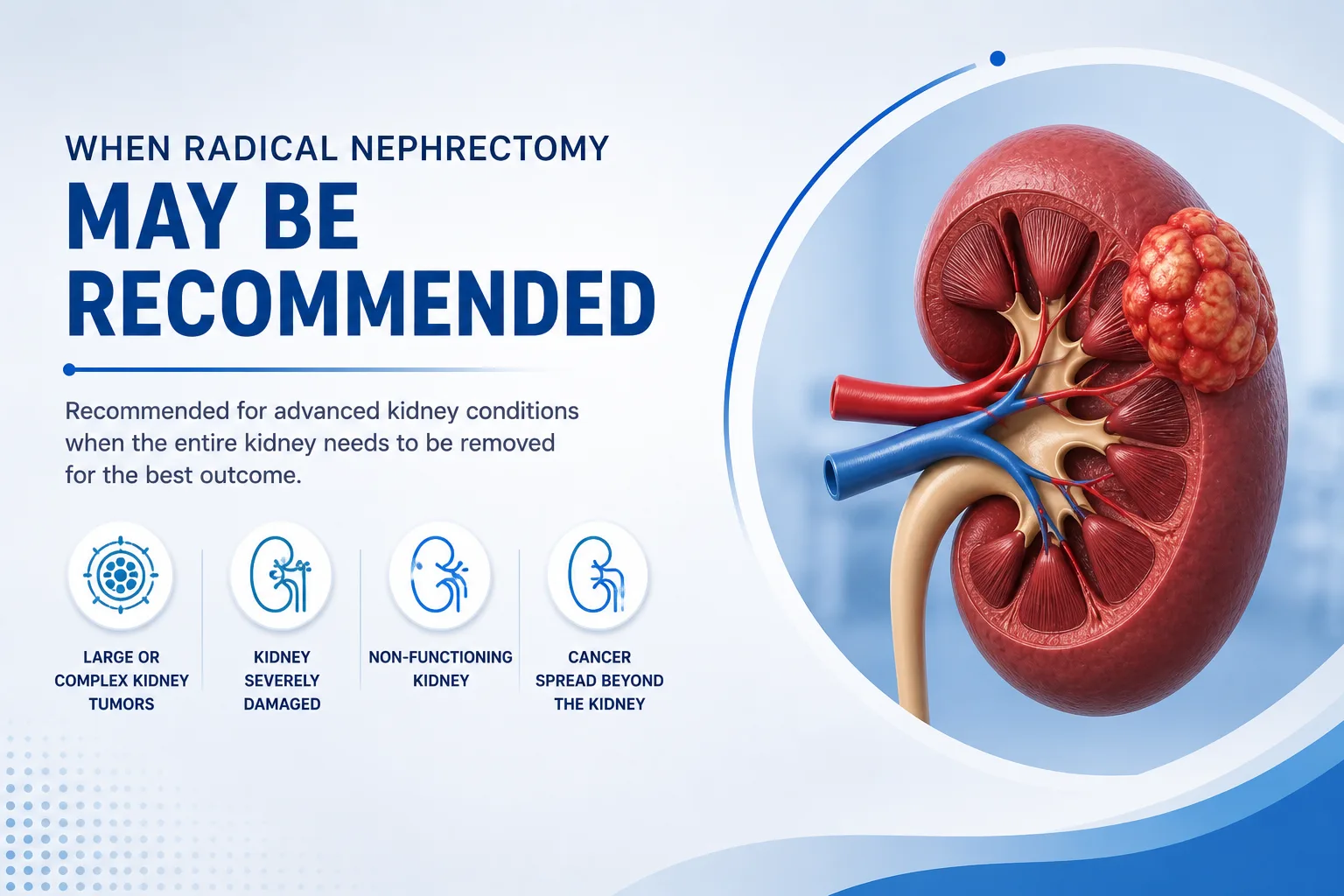
When Radical Nephrectomy May Be Recommended
Radical nephrectomy is generally considered in specific clinical situations, evaluated case by case.
Large Tumours
Tumours too large to remove safely while preserving the kidney.
Central Location
Tumours located deep or centrally, close to the kidney's major vessels and collecting system.
Vessel Involvement
Tumours involving or extending into major blood vessels such as the renal vein.
Multiple Tumours
Multiple tumours within the same kidney that cannot all be safely excised.
Partial Nephrectomy Not Feasible
Cases where a kidney-sparing approach carries higher risk than benefit.
Healthy Contralateral Kidney
Often considered when the other kidney is functioning normally and can support the body alone.
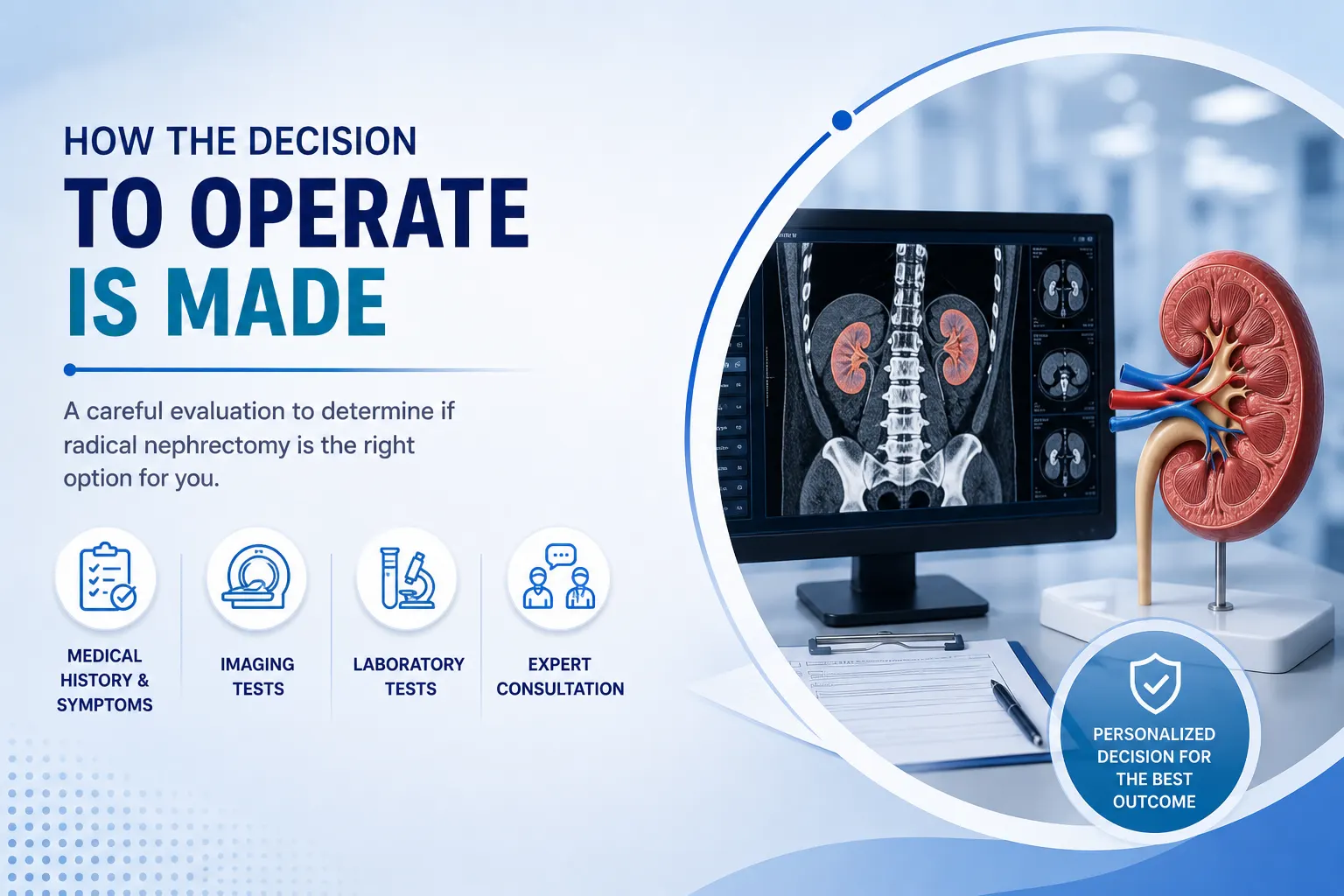
How the Decision to Operate Is Made
Clinical evaluation — a review of symptoms, medical history and a physical examination.
Imaging — CT or MRI scan to assess tumour size, location and involvement of surrounding structures.
Kidney function tests — blood tests to assess both kidneys' individual and combined function.
Contralateral kidney assessment — confirming the remaining kidney can support the body on its own.
Staging — determining tumour extent and whether lymph nodes or the adrenal gland should also be assessed.
Multidisciplinary review — confirming radical nephrectomy is the appropriate approach for the individual case.
Why Choose Dr. Nitin Singhal?
Robotic & HIPEC Cancer Surgeon
Focused practice in robotic-assisted and complex cancer surgery, including urologic oncology.
Urologic Cancer Specialisation
Regular experience with kidney, urinary bladder, prostate and other urologic cancers.
Training & Qualifications
MBBS, MS (General Surgery), MCh (Surgical Oncology) with training at Tata Memorial Centre Mumbai.
18+ Years of Experience
Extensive experience in robotic and surgical oncology.
Hospital Affiliations
Operates at established hospitals in Ahmedabad with the infrastructure major cancer surgery requires.
Multidisciplinary Cancer Care
Coordinated planning with medical oncology, radiation oncology and pathology colleagues as needed.
How Robotic Radical Nephrectomy Is Performed
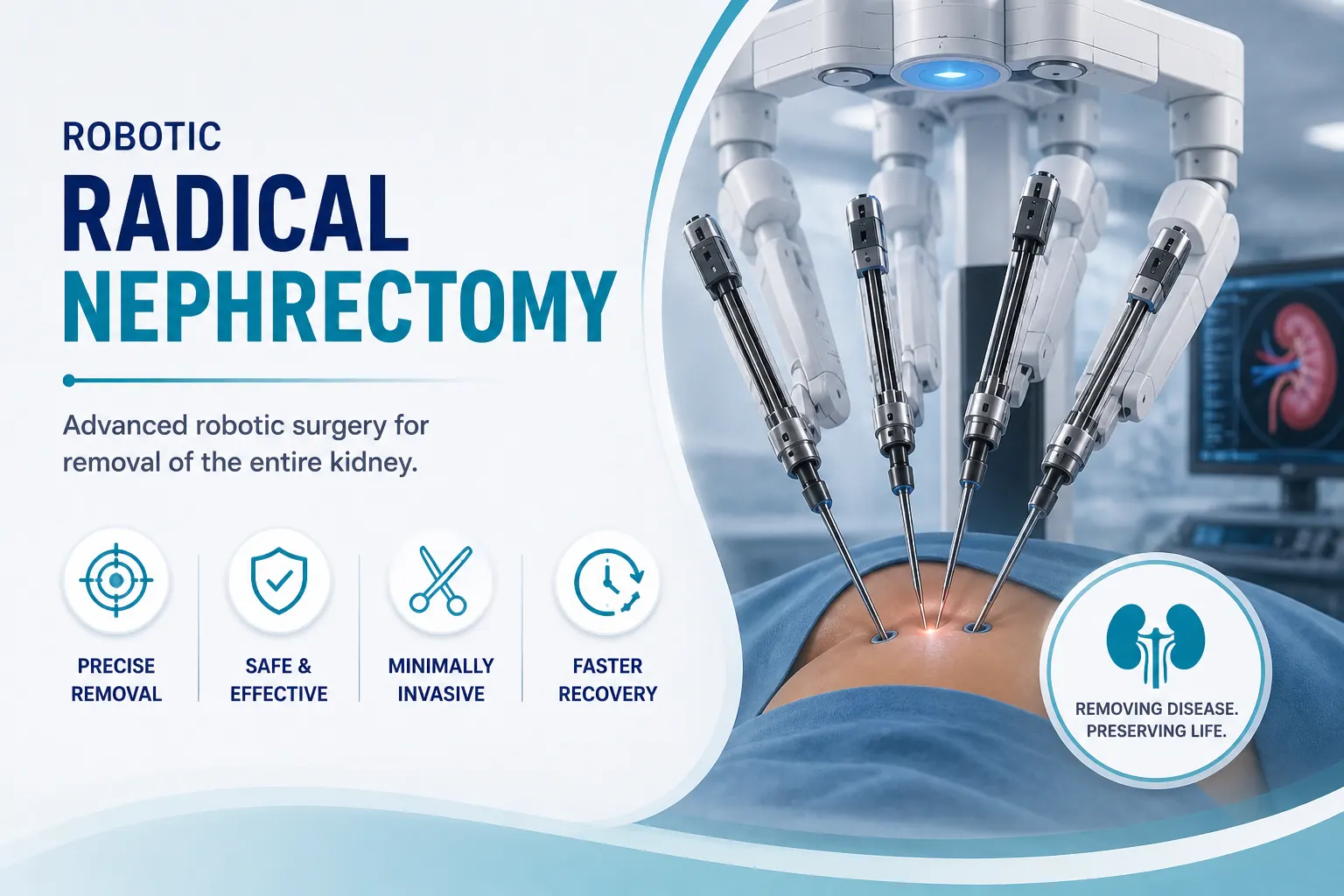
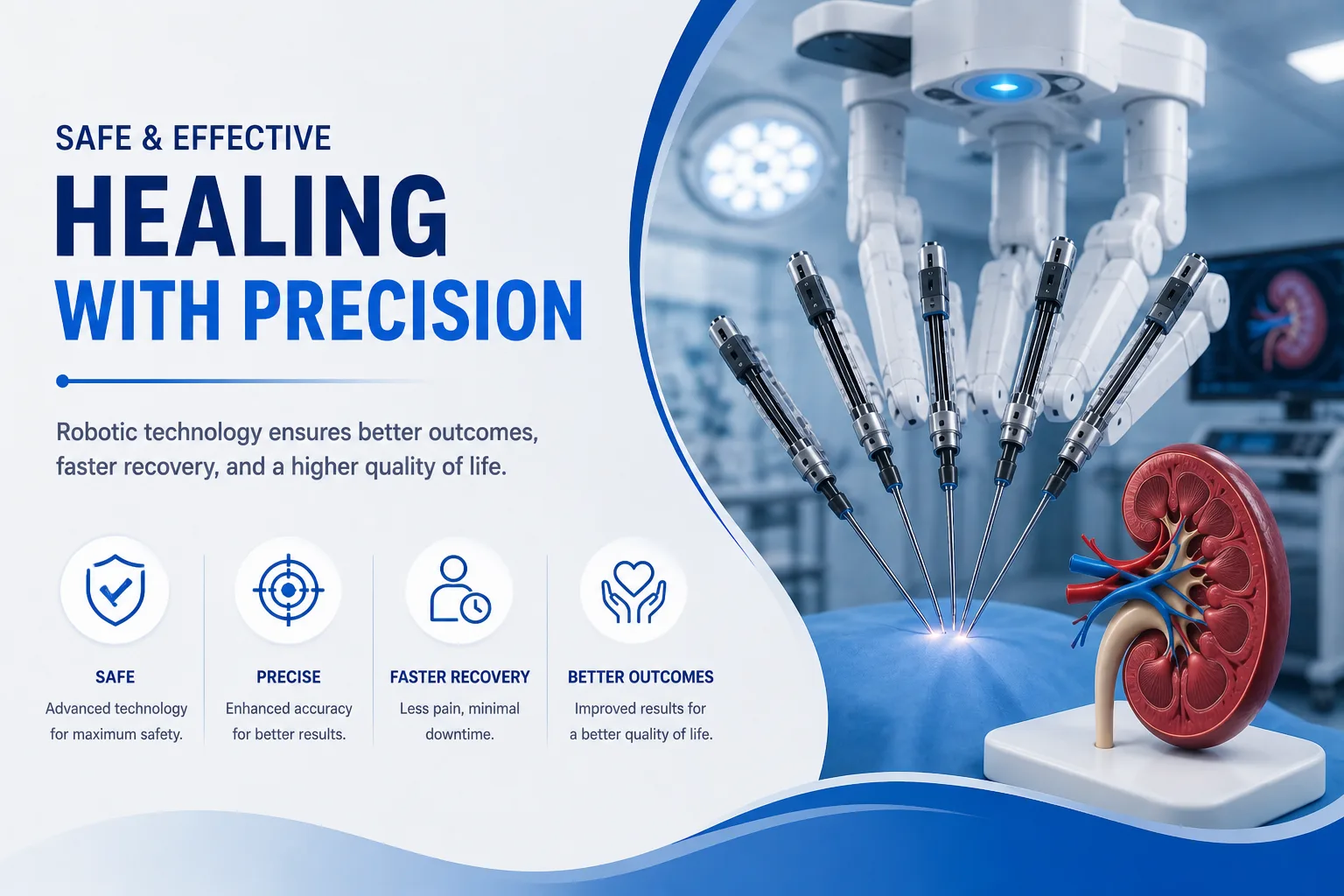
Robotic-assisted surgery uses a surgical system with wristed instruments and a magnified 3D camera, controlled entirely by the surgeon from a console beside the patient. The robot does not operate independently — every movement is directed by the surgeon in real time.
The procedure is performed through a few small abdominal incisions rather than one large opening. The kidney, its surrounding fatty tissue, and the renal artery and vein are carefully identified and controlled before the kidney is freed and removed intact — an approach that differs from conventional open surgery, which uses a single larger incision and direct visualisation by the surgeon.
Why Robotic Surgery May Be Considered
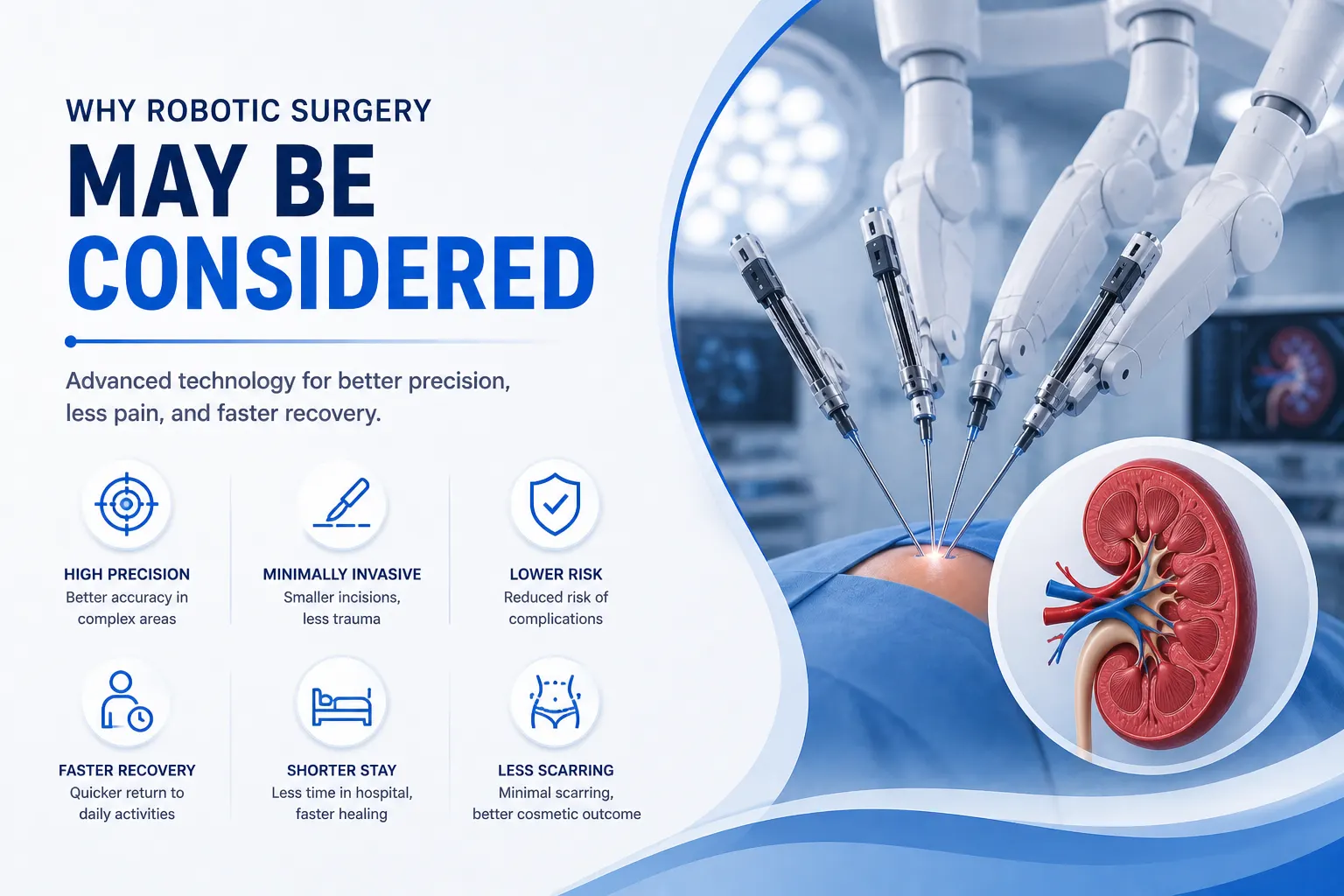
These are potential, patient-specific advantages in suitable cases — not guarantees, as outcomes depend on the individual patient and procedure.
Smaller Incisions
Several small incisions rather than one large opening, in suitable cases.
Less Post-Operative Pain
Smaller incisions may be associated with reduced discomfort during recovery.
Reduced Blood Loss
In appropriate cases, robotic technique can help limit intraoperative bleeding.
Earlier Mobilisation
Some patients are able to move around sooner after minimally invasive surgery.
Shorter Hospital Stay
In suitable patients, hospital stay may be shorter than after open surgery.
Precise Vascular Control
Magnified 3D vision can support careful, controlled handling of the renal artery and vein.
Other Robotic Kidney Procedures
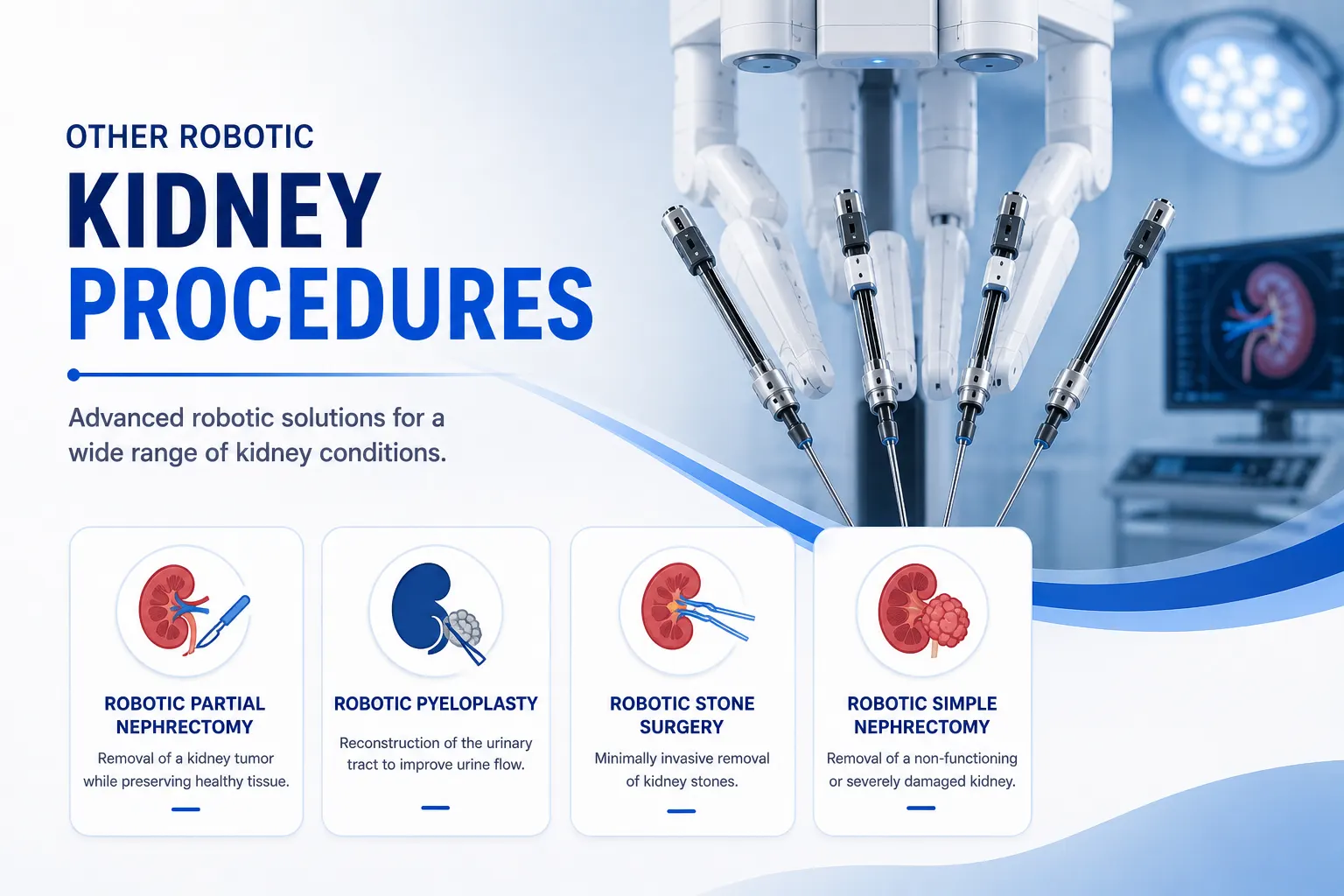
Depending on the tumour and case, a related robotic procedure may be more appropriate than a standard radical nephrectomy.
Robotic vs Laparoscopic vs Open Radical Nephrectomy
A general comparison of approach — actual outcomes for any specific patient depend on the procedure and case.
| Feature | Open Surgery | Laparoscopic Surgery | Robotic Surgery |
|---|---|---|---|
| Incisions | Larger | Smaller | Smaller |
| Visualisation | Direct | Camera-assisted, 2D | Enhanced 3D visualisation |
| Instrument Movement | Conventional, surgeon's hand | Limited range of motion | Wristed, surgeon-controlled robotic instruments |
| Vessel Control | Direct, hands-on | Camera-assisted | Magnified, precise instrument control |
| Recovery | Procedure-dependent | Procedure-dependent | Procedure-dependent |
How the Surgery Works, Step by Step
Pre-operative evaluation — final review of imaging, staging and overall fitness for surgery.
Anaesthesia — the patient is placed under general anaesthesia by the anaesthesia team.
Small abdominal incisions — a few small incisions are made to introduce the robotic ports.
Robotic system positioned — the robotic arms are docked and the surgeon operates from the console.
Kidney mobilised — the kidney and its surrounding fatty tissue are carefully freed from surrounding structures.
Renal vessels controlled — the renal artery and vein are carefully identified, secured and divided.
Kidney removed intact — the entire kidney is freed and removed through a small extraction incision.
Lymph node assessment — nearby lymph nodes are checked and removed where appropriate.
Incisions closed — the small incisions are closed, and the patient is moved to recovery.
Before Surgery & Recovery Afterwards
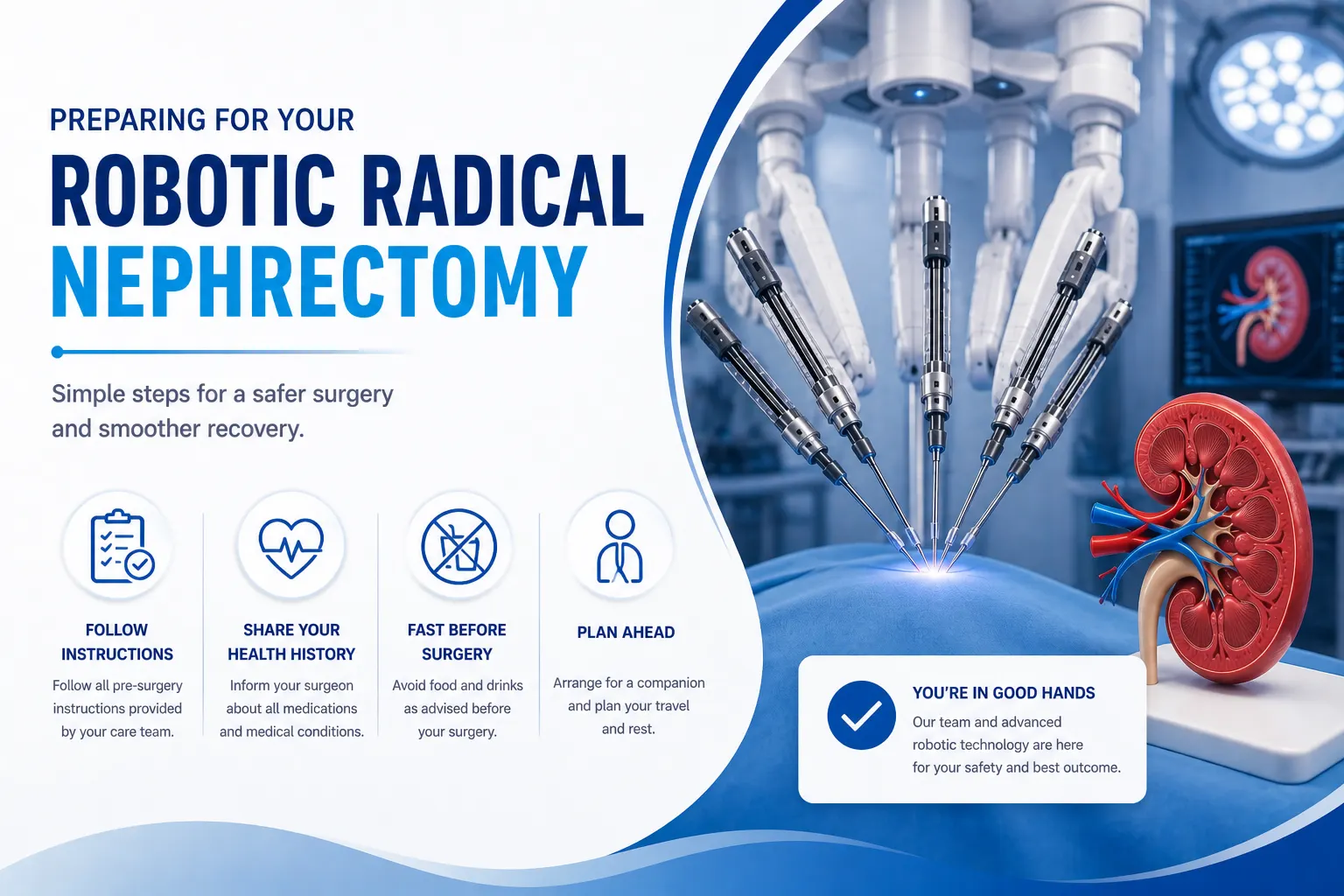
Investigations & Review
Final blood tests, imaging review and a medication review before the procedure.
Contralateral Kidney Assessment
Confirming the remaining kidney can independently support normal function.
Anaesthesia Assessment
A pre-anaesthesia check to confirm fitness for the procedure.
Hospital Stay & Pain Management
Structured post-operative care with pain managed through the recovery period.
Gradual Return to Activity
A phased return to normal activity, guided by your care team.
Long-Term Kidney Monitoring
Regular follow-up blood tests to monitor the remaining kidney's function and check for recurrence.
Risks & Possible Complications
As with any major surgery, radical nephrectomy carries risks. These should be discussed in detail with your surgical team before deciding on treatment.
Bleeding
As with any surgery, there is a risk of bleeding during or after the procedure, particularly during vessel control.
Infection
Wound or internal infection is a possible complication of any abdominal surgery.
Reduced Overall Kidney Function
Removing an entire kidney reduces total kidney function, monitored closely afterward.
Blood Clots
A risk with any major surgery, managed with preventive measures where appropriate.
Injury to Nearby Organs
A small risk of injury to nearby structures, given the kidney's proximity to other organs and blood vessels.
Conversion to Open Surgery
In rare cases, the procedure may need to be converted to open surgery for safety reasons.
Myths vs Facts
Patient Reviews & Videos
Verified Google reviews and patient-friendly video explainers, from Dr. Nitin Singhal's practice in Ahmedabad.
Radical Nephrectomy — Common Questions
What is a radical nephrectomy?
When is radical nephrectomy needed instead of partial nephrectomy?
Can you live a normal life with one kidney?
Is robotic radical nephrectomy suitable for every patient?
What is the recovery time after robotic radical nephrectomy?
Will I need dialysis after losing a kidney?
Will I need additional treatment after radical nephrectomy?
What are the risks of robotic radical nephrectomy?
How do I know whether I am a candidate?
Found a Kidney Mass or Advised Radical Nephrectomy?
Get an expert evaluation to understand your diagnosis, treatment options, and whether robotic radical nephrectomy may be appropriate for you.