
Robotic GI Cancer Surgeon in Ahmedabad
Dr. Nitin Singhal is a Surgical Oncologist and robotic GI cancer surgeon in Ahmedabad, treating cancers of the esophagus, stomach, colon, rectum, liver and pancreas with advanced minimally invasive and robotic-assisted techniques.
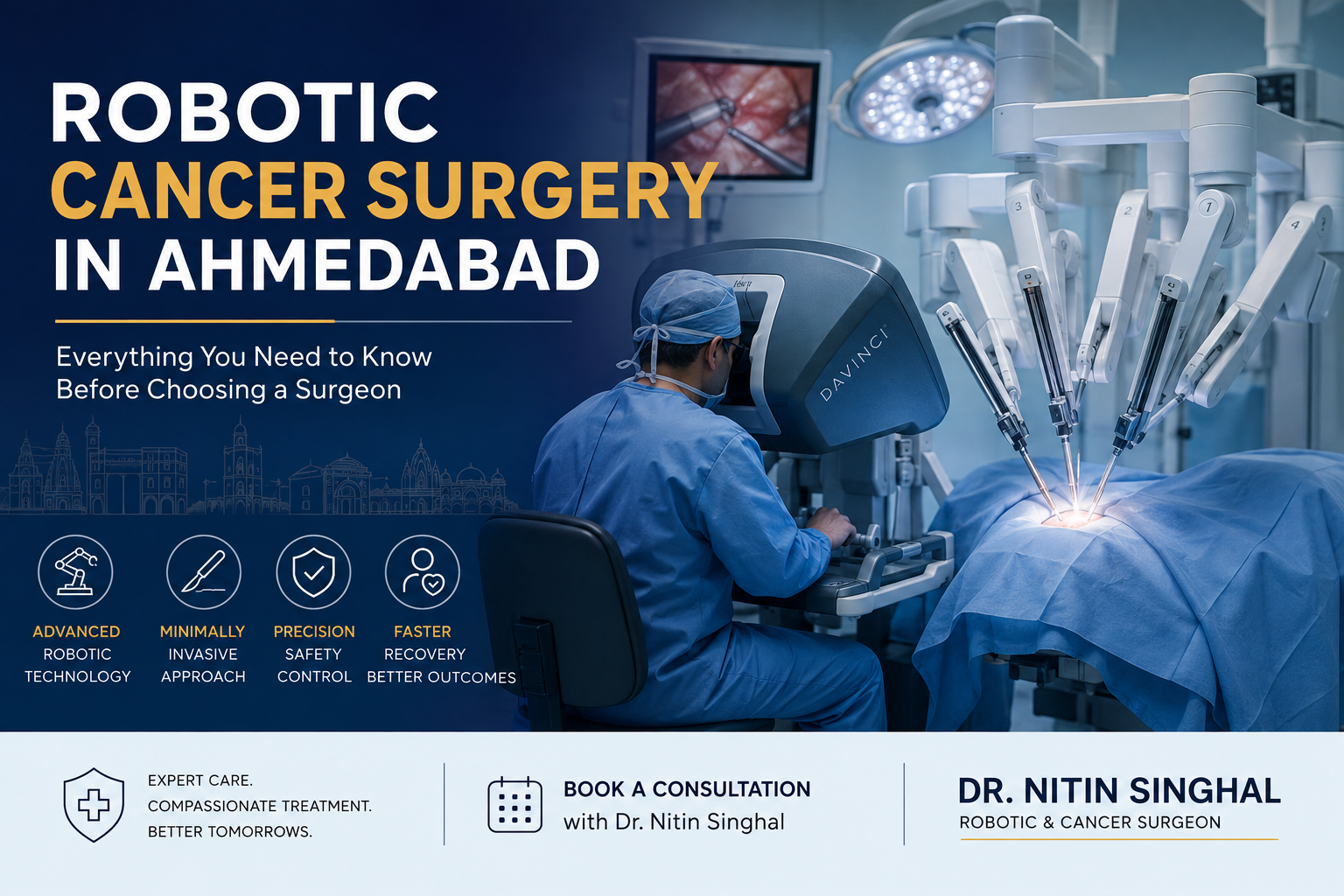
Dr. Nitin Singhal performing robotic GI cancer surgery
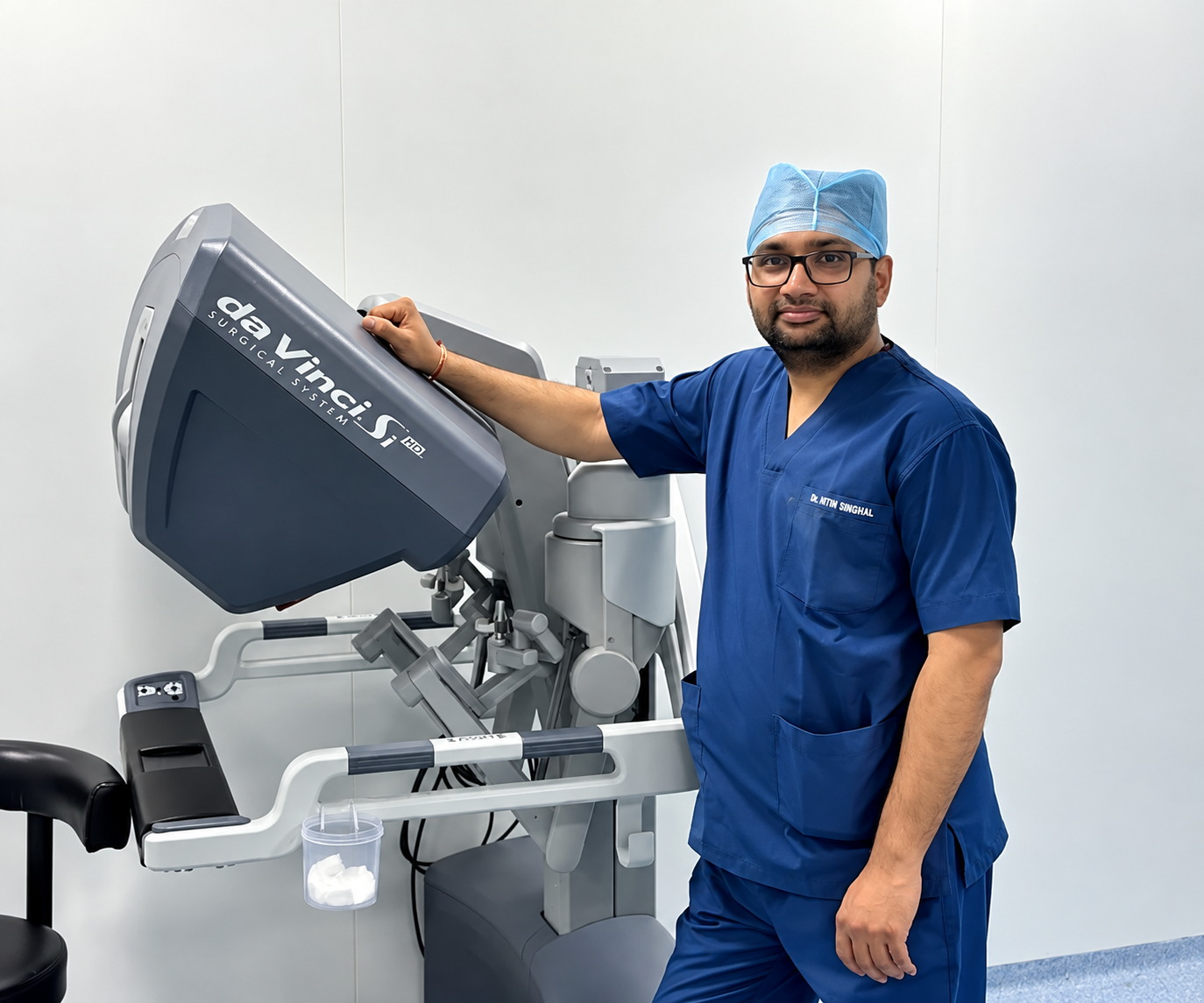
- SpecializationSurgical Oncology
- Experience18+ Years
- TrainingTata Memorial Centre
- LocationAhmedabad, Gujarat
About Dr. Nitin Singhal – Robotic GI Cancer Surgeon
Dr. Nitin Singhal is a Surgical Oncologist specializing in the surgical treatment of cancer, with a particular focus on gastrointestinal and robotic cancer surgery. His clinical expertise includes the evaluation and surgical management of complex gastrointestinal malignancies, with treatment planned according to each patient's individual diagnosis and stage of disease.
Robotic GI cancer surgery is a minimally invasive surgical approach in which the surgeon controls advanced robotic instruments to perform precise surgical procedures. Whether robotic, laparoscopic or open surgery is appropriate depends on factors such as the type and stage of cancer, tumor location, imaging and pathology findings, and the patient's overall health.
Qualifications & Professional Expertise
- Specialization: Surgical Oncology
- Key areas of expertise: Gastrointestinal Cancer Surgery, Robotic Cancer Surgery and Minimally Invasive Cancer Surgery
- Advanced surgical expertise: Robotic and laparoscopic approaches for appropriately selected patients
- Cancer treatment focus: Gastrointestinal and other solid-organ malignancies
- Professional experience: 18+ years of experience
- Training: Surgical oncology training and professional experience associated with Tata Memorial Centre
Dr. Singhal's approach focuses on accurate diagnosis, appropriate cancer staging and individualized treatment planning. Depending on the patient's condition, surgery may be considered alongside other cancer treatments such as chemotherapy or radiation therapy as part of a multidisciplinary treatment plan. Dr. Nitin Singhal provides individualized treatment planning for patients with GI cancers, working as part of a multidisciplinary cancer-care team when required.
Areas of GI Cancer Surgery
Dr. Nitin Singhal provides surgical evaluation and treatment for a range of gastrointestinal cancers, including:
- Esophageal cancer
- Stomach cancer
- Colon cancer
- Rectal cancer
- Liver cancer
- Pancreatic cancer
- Gallbladder and biliary cancers
- Other gastrointestinal malignancies
For selected patients, minimally invasive or robotic techniques may be considered based on the location and extent of the tumor, overall health, previous treatments and other clinical factors.
Precision That Shows Up In Recovery
Explore Our GI Oncology & HIPEC Programme
Robotic GI cancer surgery sits within two dedicated programmes at our centre — visit either page for full detail on conditions treated, technique, and what to expect.
Gastrointestinal Oncology
Comprehensive, multidisciplinary care for cancers of the esophagus, stomach, colon, rectum, liver, pancreas and bile duct — from diagnosis and staging through robotic surgery and follow-up.
Visit GI Oncology Page →HIPEC (Hyperthermic Intraperitoneal Chemotherapy)
Cytoreductive surgery combined with heated intraperitoneal chemotherapy for selected patients with peritoneal surface spread from GI and gynaecological cancers.
Visit HIPEC Page →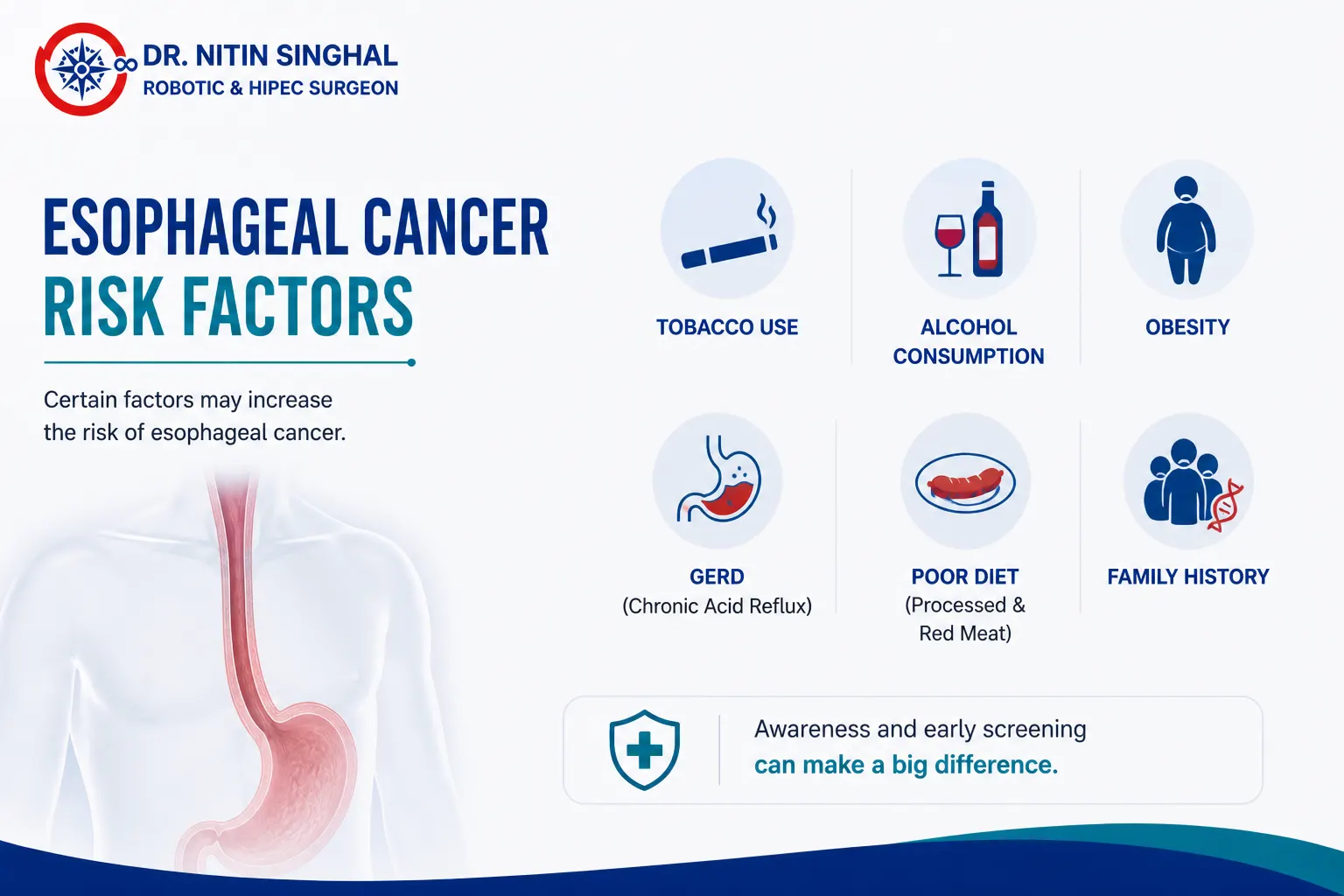
Esophageal Cancer
Esophageal cancer often presents with difficulty swallowing (dysphagia), persistent heartburn, chest discomfort, or unintended weight loss. Endoscopy with biopsy confirms diagnosis, and CT or PET imaging helps determine the stage.
Robotic esophagectomy allows precise removal of the tumour and surrounding lymph nodes through small incisions, with improved visualisation of delicate chest structures and a shorter recovery than open esophageal surgery.
Common Signs
- Difficulty or pain when swallowing
- Persistent heartburn or acid reflux
- Unexplained weight loss
- Chest discomfort or a hoarse voice
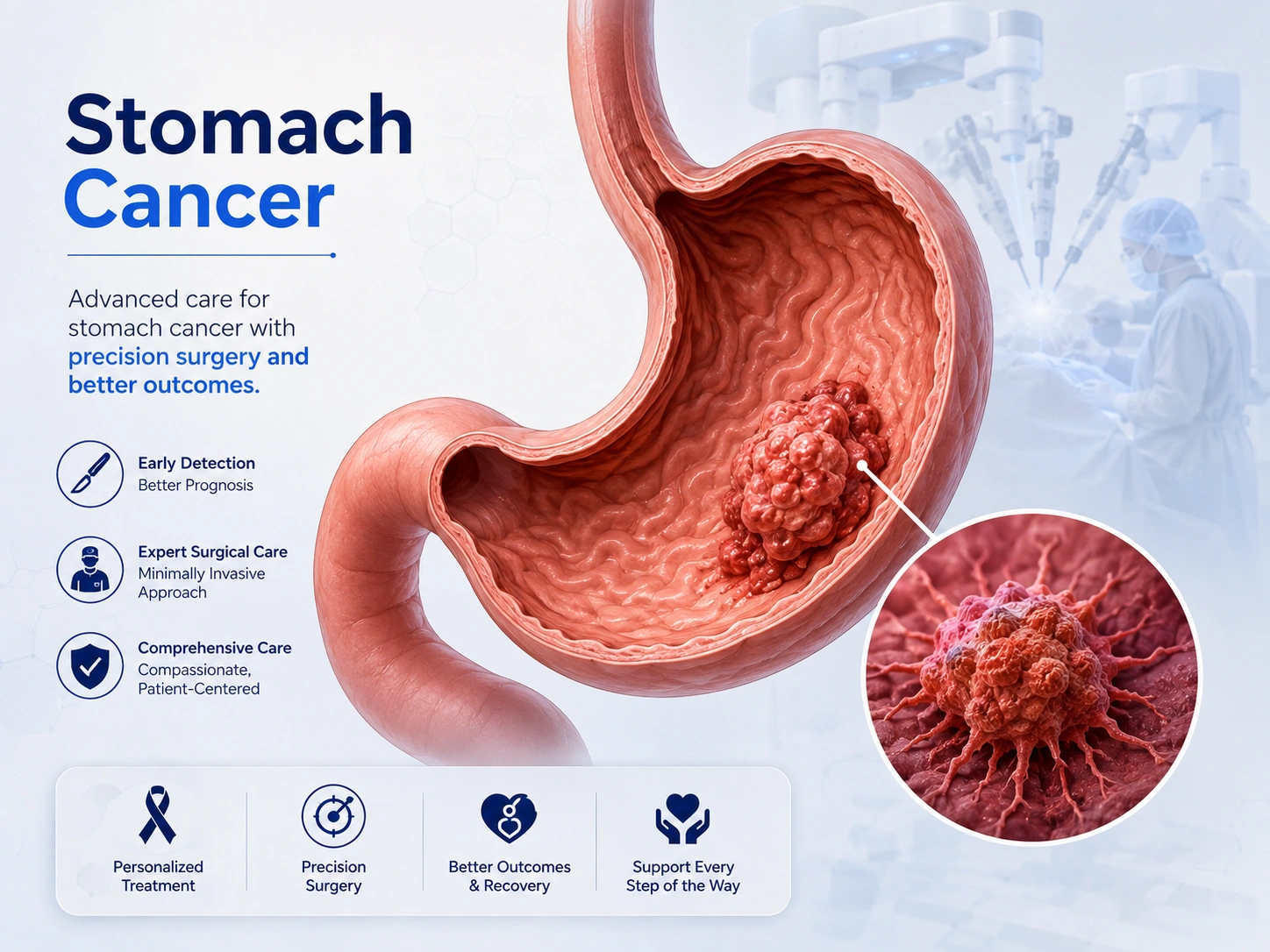
Stomach (Gastric) Cancer
Stomach cancer often presents late, with symptoms such as persistent indigestion, early fullness after small meals, unintended weight loss, or vomiting. Endoscopy and biopsy confirm diagnosis, followed by staging to guide treatment.
Robotic gastrectomy allows precise removal of the tumour with adequate lymph node clearance through small incisions, with less blood loss and a faster return to oral intake than open surgery.
Common Signs
- Persistent indigestion or heartburn
- Feeling full after eating only a small amount
- Unexplained weight loss or loss of appetite
- Vomiting, with or without blood
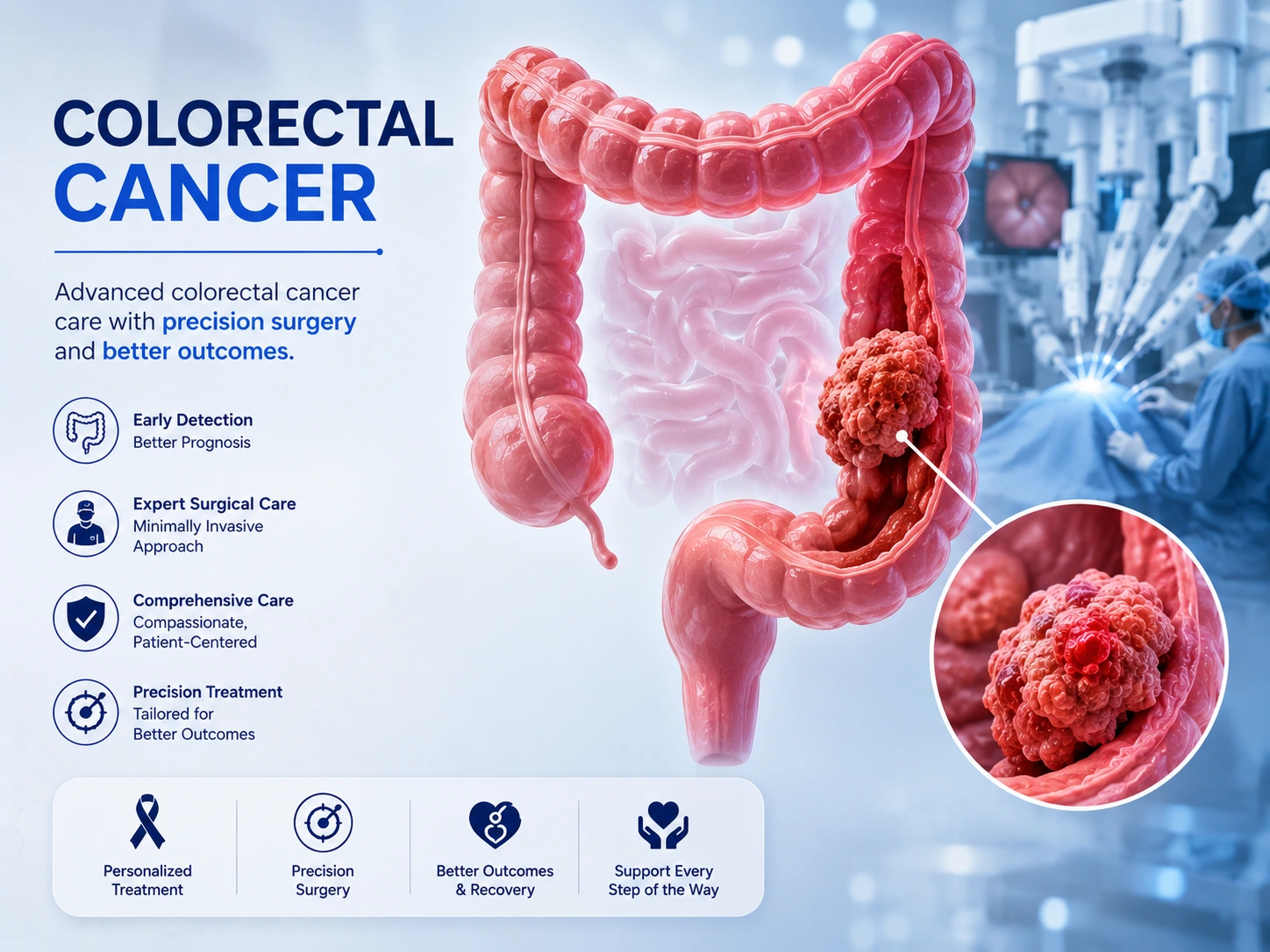
Colorectal Cancer
Colorectal cancer is among the most common GI cancers and is highly treatable when caught early. Colonoscopy with biopsy confirms diagnosis; changes in bowel habit or blood in stool should always be evaluated promptly.
Robotic colectomy and low anterior resection offer precise tumour removal with careful lymph node clearance and, where possible, sphincter-preserving technique to protect long-term bowel function and quality of life.
Common Signs
- Change in bowel habit lasting more than a few weeks
- Blood in the stool or rectal bleeding
- Persistent abdominal pain or cramping
- Unexplained weight loss or fatigue
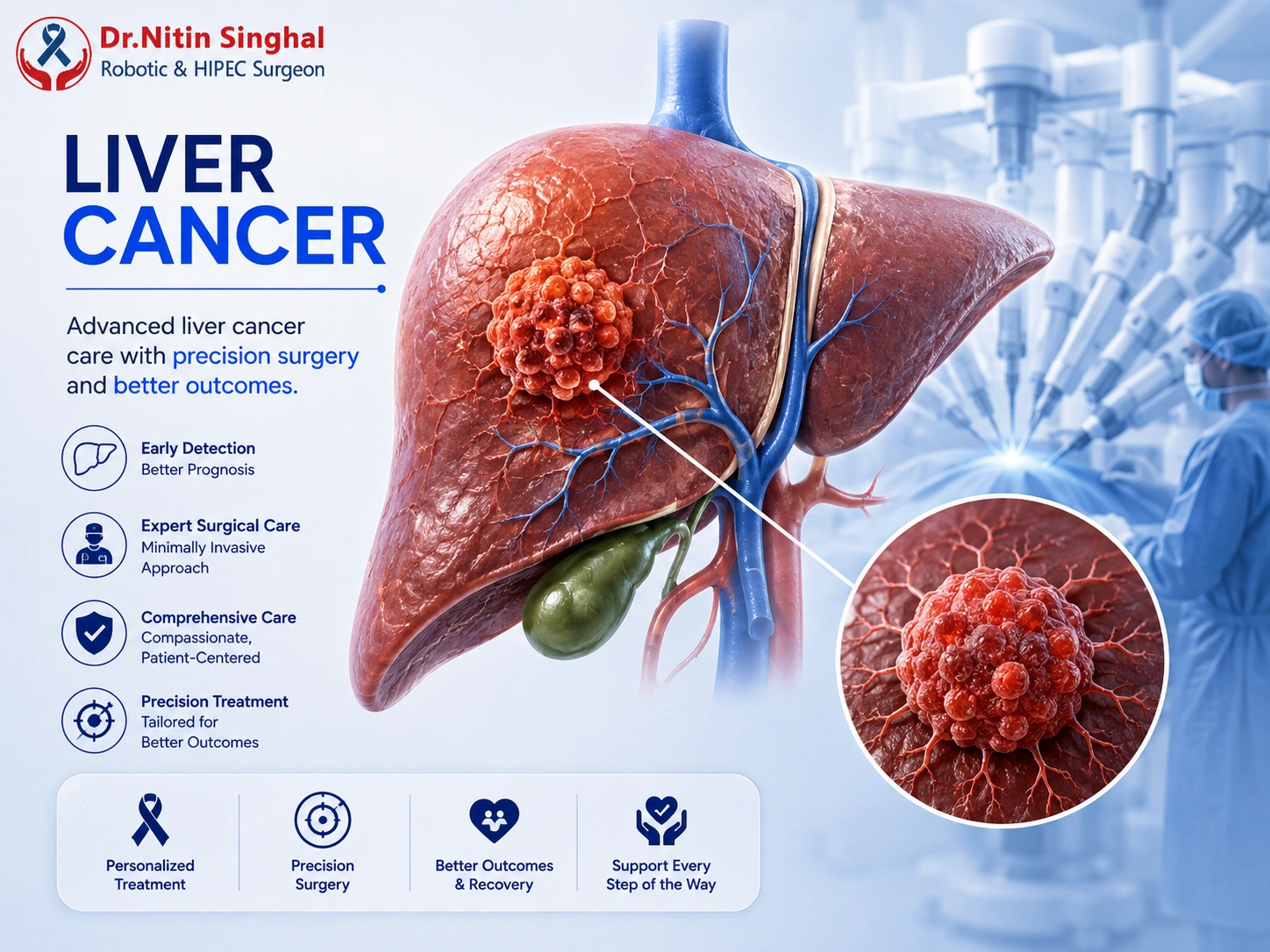
Liver Cancer
Liver cancer — whether arising in the liver itself or spreading from another GI cancer — is assessed using imaging (CT/MRI) and blood markers, alongside overall liver function, to determine whether surgical removal is suitable.
Robotic liver resection allows precise removal of the affected segment while preserving as much healthy liver tissue as possible, with reduced blood loss and a shorter hospital stay than open hepatectomy.
Common Signs
- Pain or discomfort in the upper right abdomen
- Unexplained weight loss and loss of appetite
- Yellowing of skin or eyes (jaundice)
- Often found incidentally on imaging done for other reasons
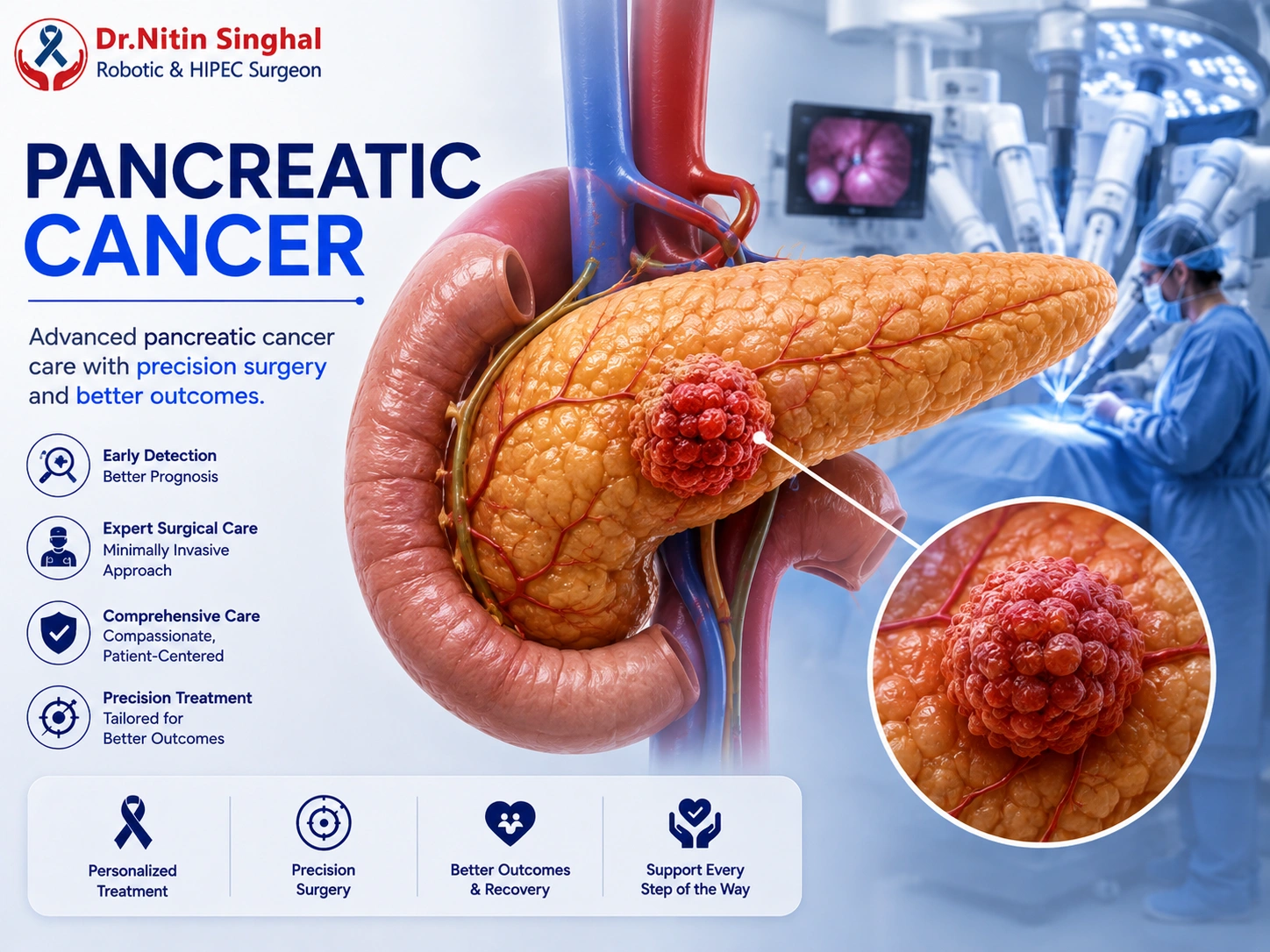
Pancreatic Cancer
Pancreatic cancer can be difficult to detect early, as symptoms are often subtle. Painless jaundice, new-onset diabetes, or persistent upper abdominal pain radiating to the back warrant prompt evaluation with imaging and tumour markers.
Robotic pancreatectomy, including robotic Whipple procedure for tumours of the head of the pancreas, allows meticulous dissection near major blood vessels with the precision that robotic technique offers, aiming for complete tumour removal with fewer complications.
Common Signs
- Yellowing of skin or eyes (jaundice), often painless
- Unexplained weight loss
- Persistent pain in the upper abdomen or back
- New-onset diabetes without a clear cause
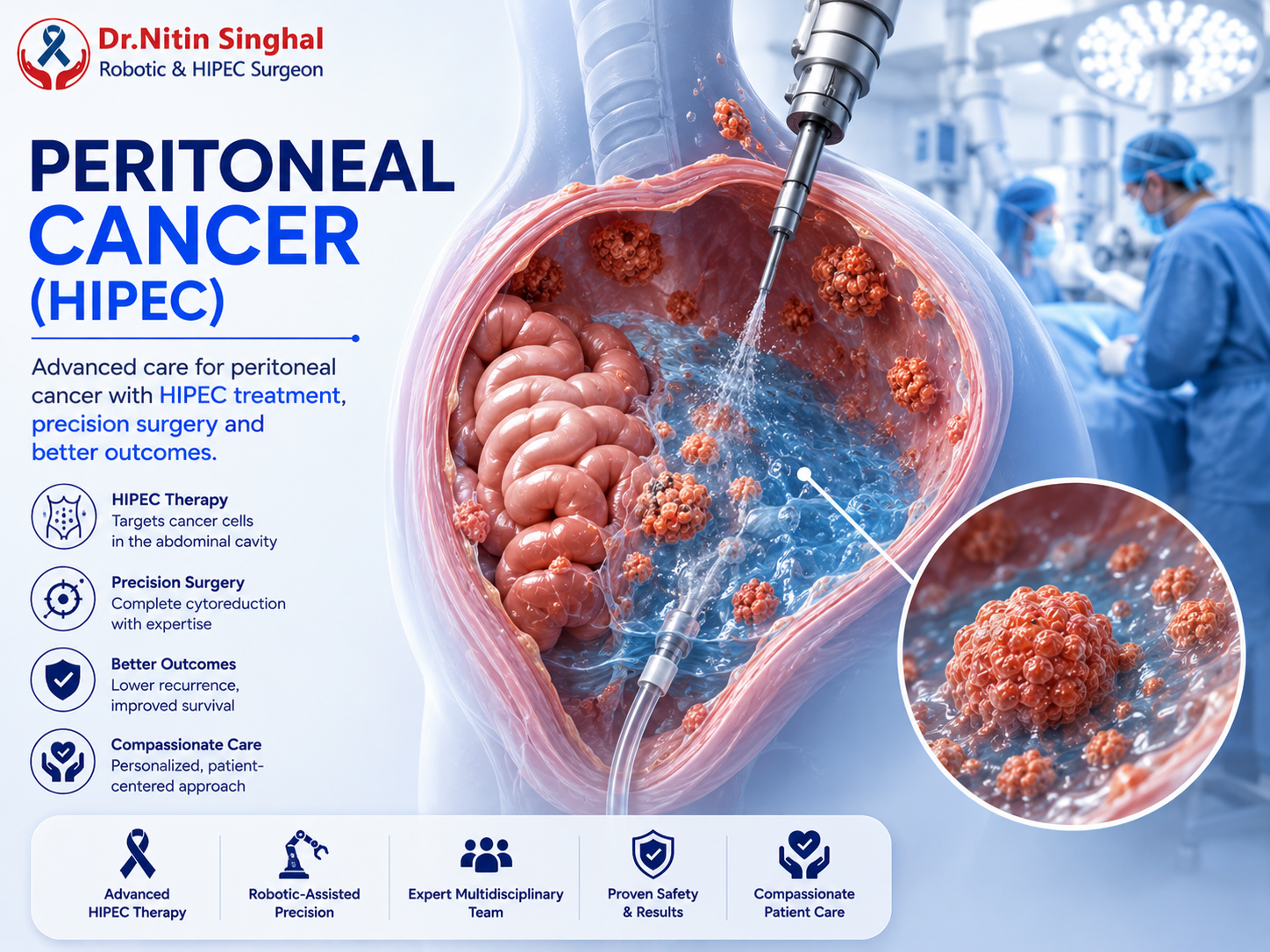
Peritoneal Cancer & HIPEC
When stomach, colorectal, appendiceal or ovarian cancer spreads across the peritoneal (abdominal lining) surface, selected patients may benefit from cytoreductive surgery (CRS) — removal of all visible disease — combined with HIPEC.
Unlike systemic chemotherapy, which circulates through the bloodstream, HIPEC delivers heated chemotherapy directly into the abdominal cavity immediately after surgery, targeting microscopic residual disease at the source. This combined approach is planned and delivered by a dedicated peritoneal surface malignancy team, with careful patient selection.
Common Indications
- Peritoneal spread from stomach or colorectal cancer
- Pseudomyxoma peritonei / appendiceal tumours
- Selected ovarian cancers with peritoneal involvement
- Assessed individually for suitability and disease extent
Patient information poster — Peritoneal Cancer & HIPEC Care
What To Expect, Step By Step
Every GI-oncology case moves through the same careful sequence — designed for accurate diagnosis and the least disruption to your life.
Consultation
Review of scans, endoscopy/colonoscopy reports and symptoms to understand your specific case.
Diagnosis & Staging
Imaging, endoscopic biopsy or tumour markers (as needed) to confirm stage and plan.
Robotic Surgery / CRS + HIPEC
Minimally invasive, organ-sparing procedure, or cytoreductive surgery with HIPEC where clinically indicated.
Recovery & Follow-up
Structured post-op care, nutrition support and monitoring for long-term outcomes.
Robotic GI Cancer Surgery — Common Questions
What is robotic GI cancer surgery and how does it differ from open surgery?
What is HIPEC and when is it used?
Is robotic surgery suitable for esophageal, stomach, colorectal, liver and pancreatic cancer?
How long is the hospital stay and recovery after GI cancer surgery?
Do I need a second opinion before deciding on GI cancer surgery?
What Our Patients Say
Live reviews collected from Google, reflecting real patient experiences with Dr. Nitin Singhal and his team.
Admitted for robotic removal of a stomach GIST tumour. Everything from admission to discharge was well organised and clearly explained. Recovery was smooth with no major complications.
Treated successfully for left breast cancer at Sterling Hospital. Very happy with the treatment and recovery, and grateful to Dr. Singhal and his entire team for their excellent care and guidance.
Heartfelt gratitude for Dr. Singhal and his team after successful surgery for a jaw cancer diagnosis. The care was compassionate, guidance was clear, and post-operative recovery has been very satisfactory.
Discuss Your Reports With Dr. Nitin Singhal
Share your scans, endoscopy or histopathology reports for an expert second opinion, or call to book a consultation directly.