
Robotic Gall Bladder Cancer Surgery in Ahmedabad
Dr. Nitin Singhal offers robotic-assisted surgery for gall bladder cancer in Ahmedabad, bringing 18+ Years of Experience to precise, minimally invasive cholecystectomy and lymph node dissection.
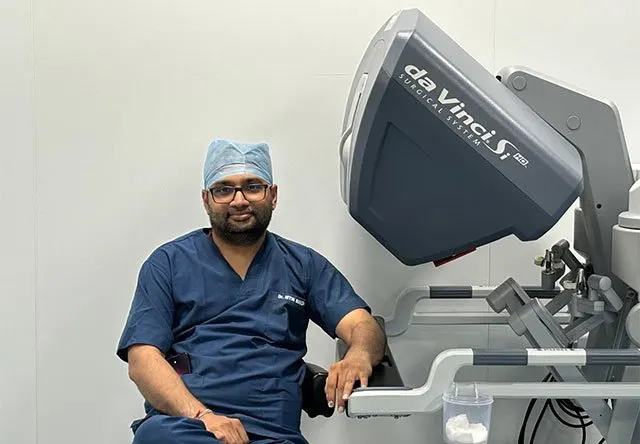
Dr. Nitin Singhal
Dr. Nitin Singhal is a Robotic and HIPEC surgeon based in Ahmedabad, specialising in gastrointestinal oncology, including gall bladder cancer. He combines robotic-assisted technique with a patient-first approach, aiming for precise cancer removal and thorough lymph node clearance alongside faster recovery wherever suitable.
What Is Gall Bladder Cancer?
Gall bladder cancer develops when cells in the lining of the gallbladder — a small pear-shaped organ beneath the liver that stores bile — grow uncontrollably, most commonly starting as adenocarcinoma. Because the gallbladder sits close to the liver and bile ducts, cancer here can spread to these nearby structures early in its course.
Gall bladder cancer is frequently found unexpectedly, discovered incidentally during or after surgery for gallstones, since early gallbladder cancer often causes no distinct symptoms of its own. This is one reason awareness of persistent upper-abdominal symptoms, and thorough pathology review after routine gallbladder removal, both matter.

Symptoms to Watch For
Symptoms are often vague and can resemble gallstone disease in the early stages. Any of the following, especially if persistent, should be evaluated by a doctor.
Upper Right Abdominal Pain
Persistent pain or discomfort below the ribs on the right side.
Jaundice
Yellowing of the skin or eyes, which can occur if bile flow is blocked.
Nausea & Vomiting
Ongoing nausea, sometimes accompanied by vomiting.
Unexplained Weight Loss
Losing weight without a change in diet or activity level.
Bloating & Loss of Appetite
A persistent feeling of fullness or reduced desire to eat.
Abdominal Lump
A noticeable lump or mass in the upper abdomen in more advanced cases.

What Increases the Risk?
Having one or more risk factors does not mean a person will develop gall bladder cancer — it simply means screening and awareness of symptoms become more important.
Gallstones
A long history of gallstones is the most common risk factor for gall bladder cancer.
Chronic Gallbladder Inflammation
Long-standing cholecystitis (inflammation of the gallbladder) increases risk.
Porcelain Gallbladder
A gallbladder wall that has become calcified over time is associated with higher risk.
Gallbladder Polyps
Larger polyps, particularly over 1 cm, carry a higher risk of harbouring cancer.
Age & Sex
Risk rises after age 65 and is more common in women than men.
Family History & Obesity
A family history of gallbladder cancer, and obesity, are both linked with increased risk.
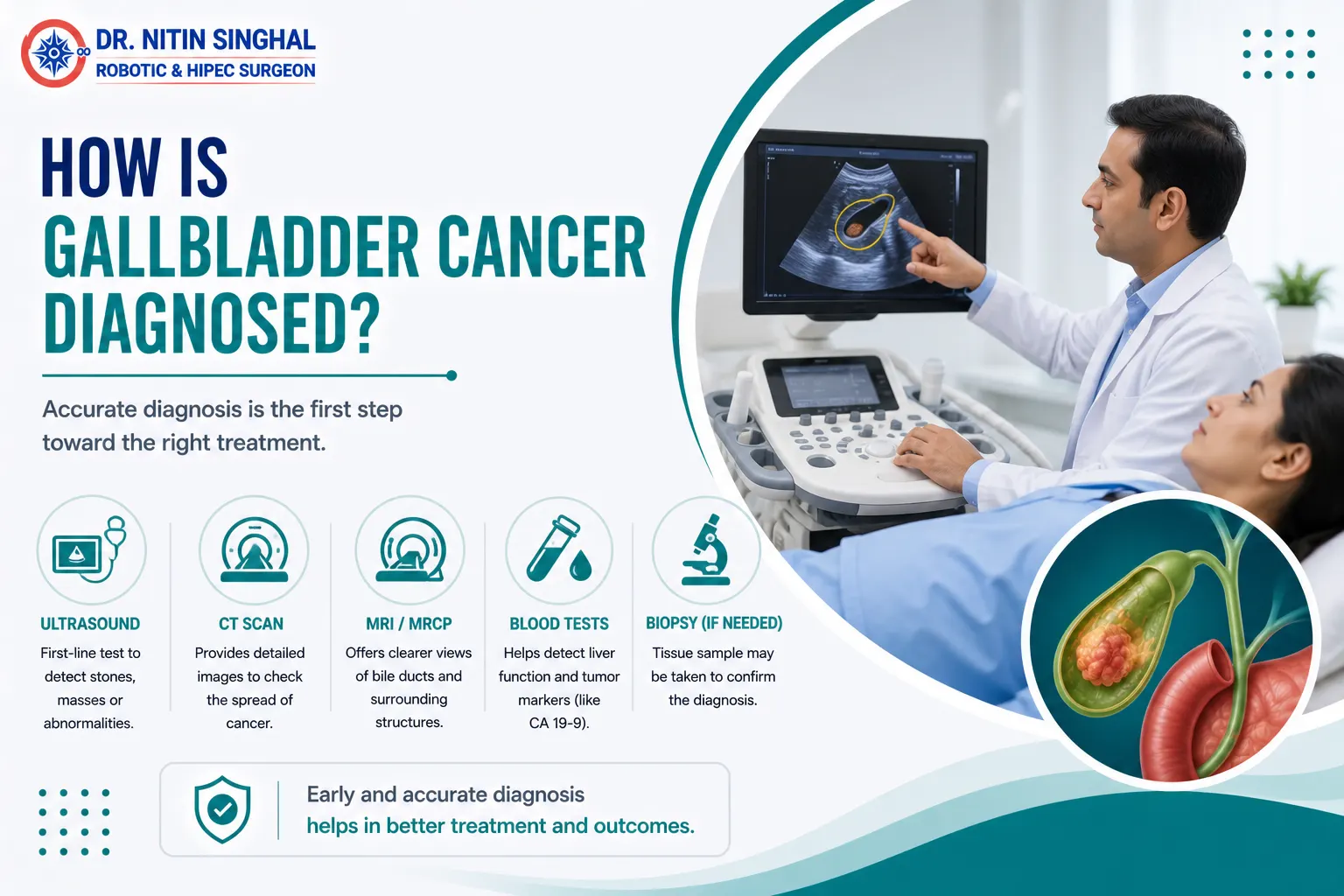
How Is Gall Bladder Cancer Diagnosed?
Clinical evaluation — a review of symptoms, medical history and a physical examination.
Ultrasound — usually the first imaging test, often the first place gallbladder abnormalities are spotted.
CT / MRI scan — to assess the extent of disease and involvement of the liver or nearby structures.
MRCP — detailed imaging of the bile ducts where blockage or involvement is suspected.
Blood tests / tumour markers — including markers such as CEA and CA 19-9, used alongside imaging where appropriate.
Staging laparoscopy — a minimally invasive look inside the abdomen in selected cases, to check for spread not visible on scans.
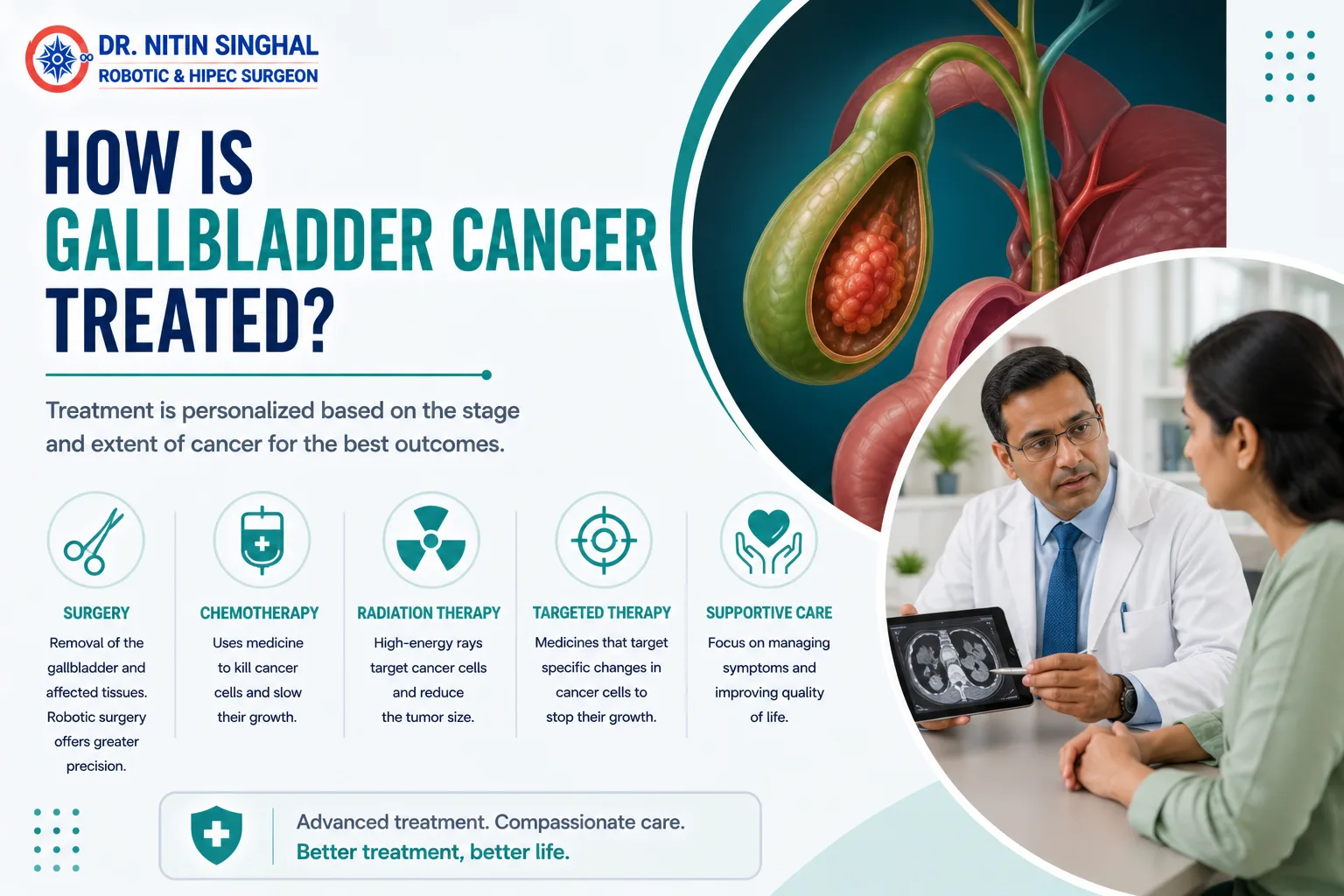
How Gall Bladder Cancer Is Treated
Treatment is planned individually and often combines more than one approach, decided by a multidisciplinary team.
Surgery
Cholecystectomy, sometimes extended to include liver tissue and lymph nodes, often the primary treatment for localised disease.
Chemotherapy
Frequently used after surgery, and sometimes before surgery, depending on stage.
Radiation Therapy
Sometimes combined with chemotherapy in selected cases, particularly where margins are close.
Targeted / Immunotherapy
Considered for selected patients based on tumour biology and molecular testing.
Biliary Drainage / Stenting
Used to relieve blocked bile flow, particularly in more advanced or palliative cases.
Follow-Up Surveillance
Structured monitoring after treatment to check for recurrence.
Why Choose Dr. Nitin Singhal?
Robotic & HIPEC Cancer Surgeon
Focused practice in robotic-assisted and complex cancer surgery, including gastrointestinal oncology.
GI Cancer Specialisation
Regular experience with gallbladder, stomach, colon, rectum and other gastrointestinal cancers.
Training & Qualifications
MBBS, MS (General Surgery), MCh (Surgical Oncology) with training at Tata Memorial Centre, Mumbai.
18+ Years of Experience
Focused specifically in surgical oncology.
Hospital Affiliations
Operates at established hospitals in Ahmedabad with the infrastructure major cancer surgery requires.
Multidisciplinary Cancer Care
Coordinated planning with medical oncology, radiation oncology and pathology colleagues as needed.
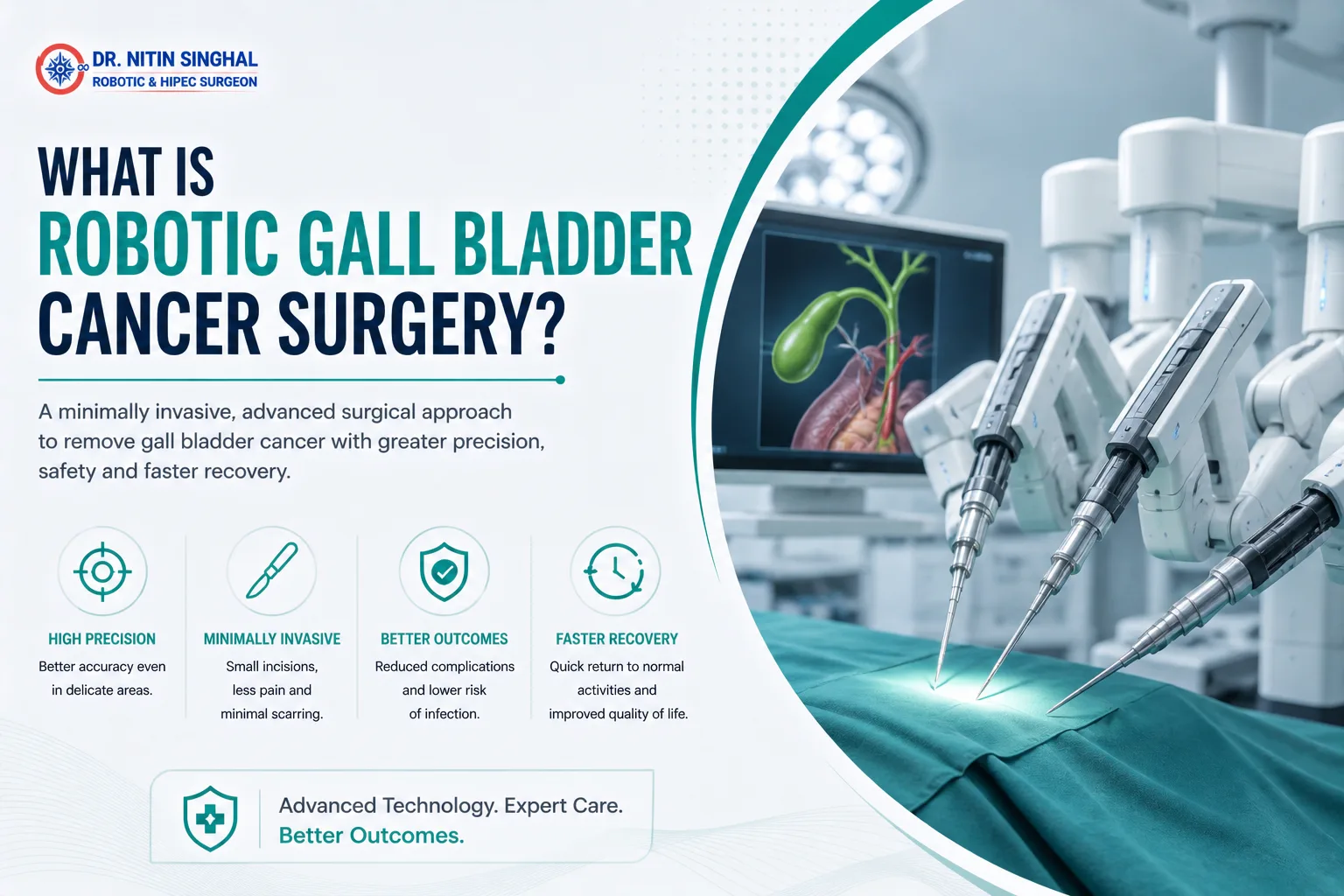
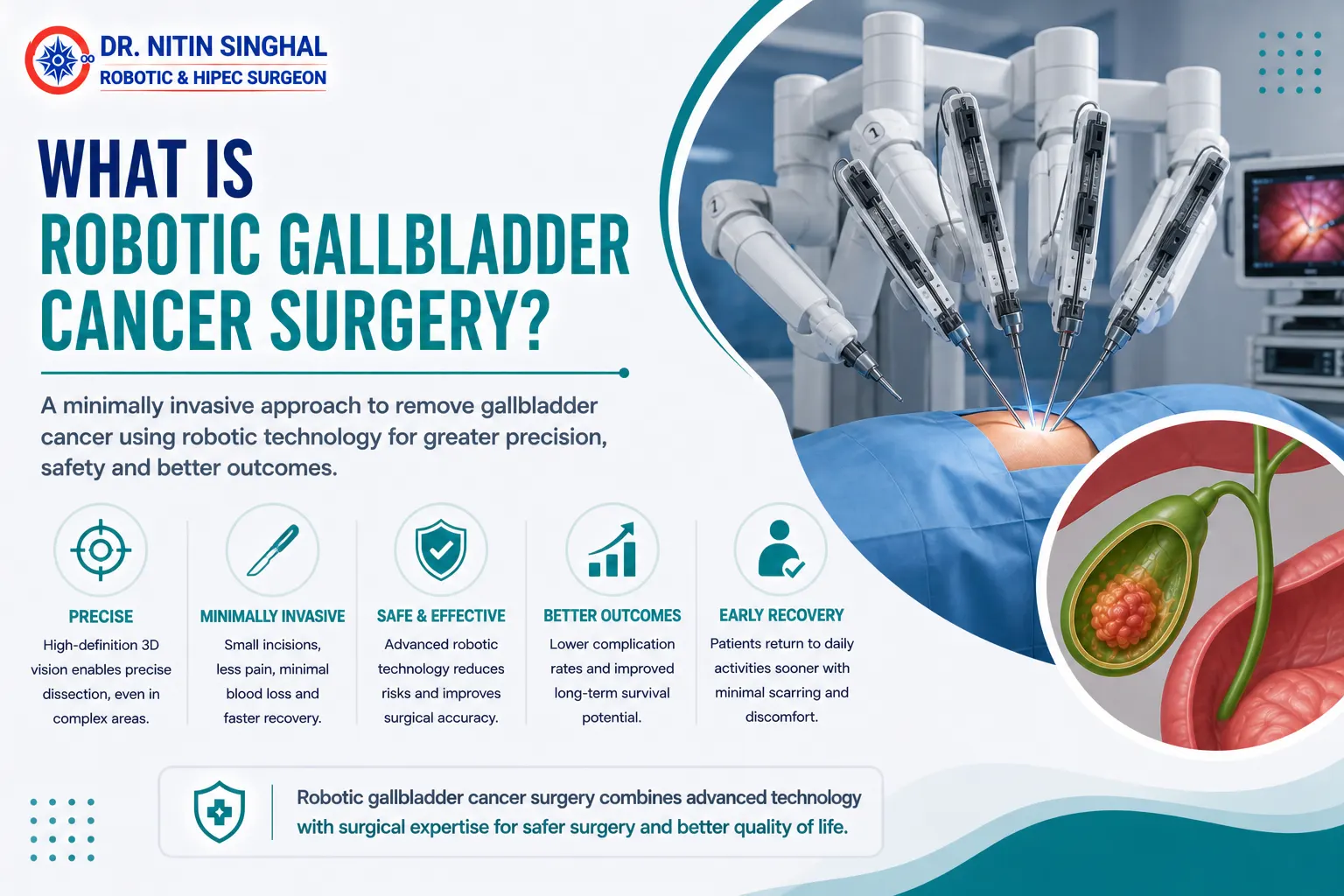
What Is Robotic Gall Bladder Cancer Surgery?
Robotic-assisted surgery uses a surgical system with wristed instruments and a magnified 3D camera, controlled entirely by the surgeon from a console beside the patient. The robot does not operate independently — every movement is directed by the surgeon in real time.
The procedure is performed through a few small abdominal incisions rather than one large opening. The camera provides enhanced, magnified visualisation of the surgical area, which can support precise dissection close to the liver and bile ducts, and thorough clearance of surrounding lymph nodes. This differs from conventional open surgery, which uses a single larger incision and direct visualisation by the surgeon.
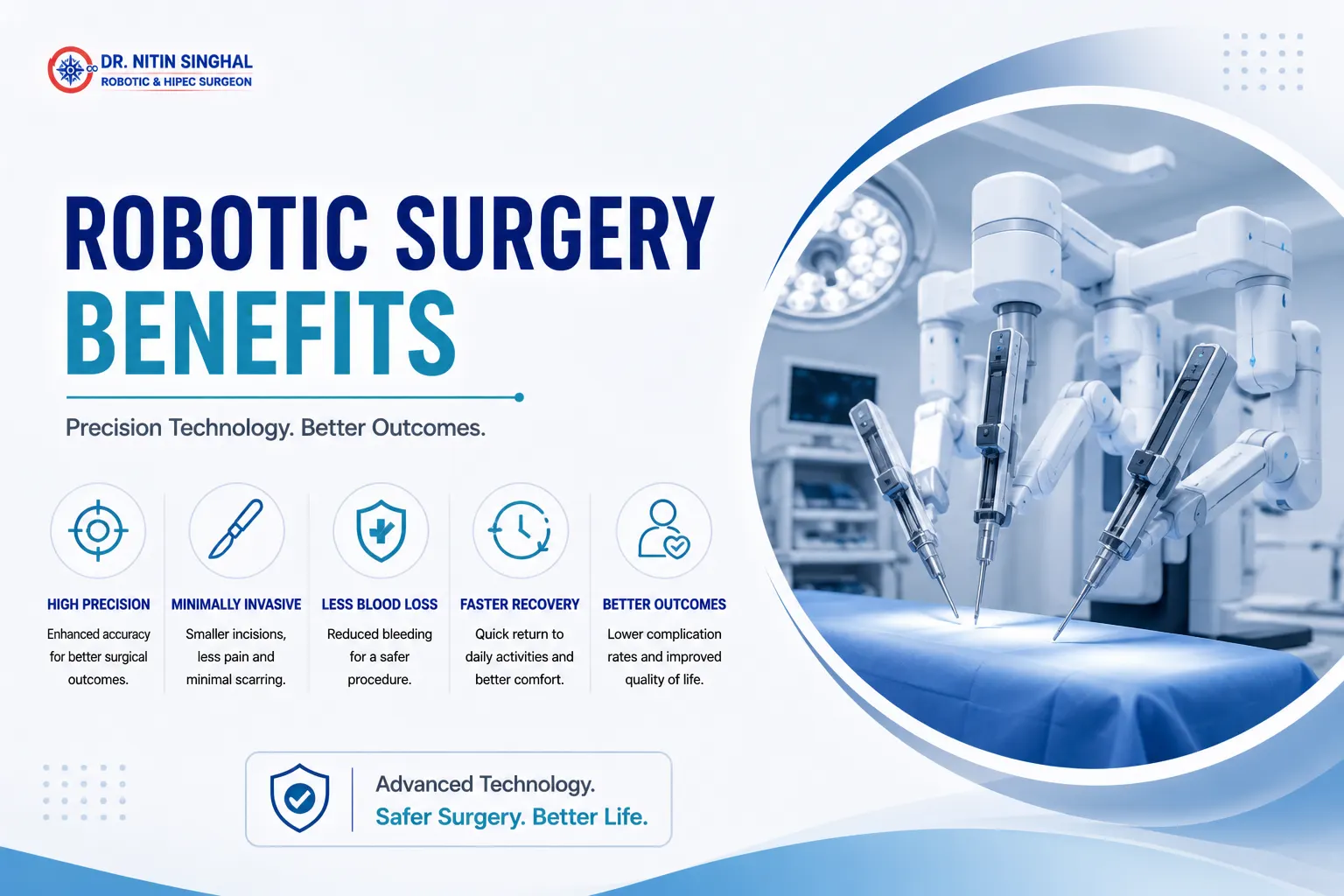
Why Robotic Surgery May Be Considered
These are potential, patient-specific advantages in suitable cases — not guarantees, as outcomes depend on the individual patient and procedure.
Smaller Incisions
Several small incisions rather than one large opening, in suitable cases.
Less Post-Operative Pain
Smaller incisions may be associated with reduced discomfort during recovery.
Reduced Blood Loss
In appropriate cases, robotic technique can help limit intraoperative bleeding.
Earlier Mobilisation
Some patients are able to move around sooner after minimally invasive surgery.
Shorter Hospital Stay
In suitable patients, hospital stay may be shorter than after open surgery.
Precise Dissection Near the Liver
Magnified 3D vision can assist precision when working close to the liver bed and bile ducts.
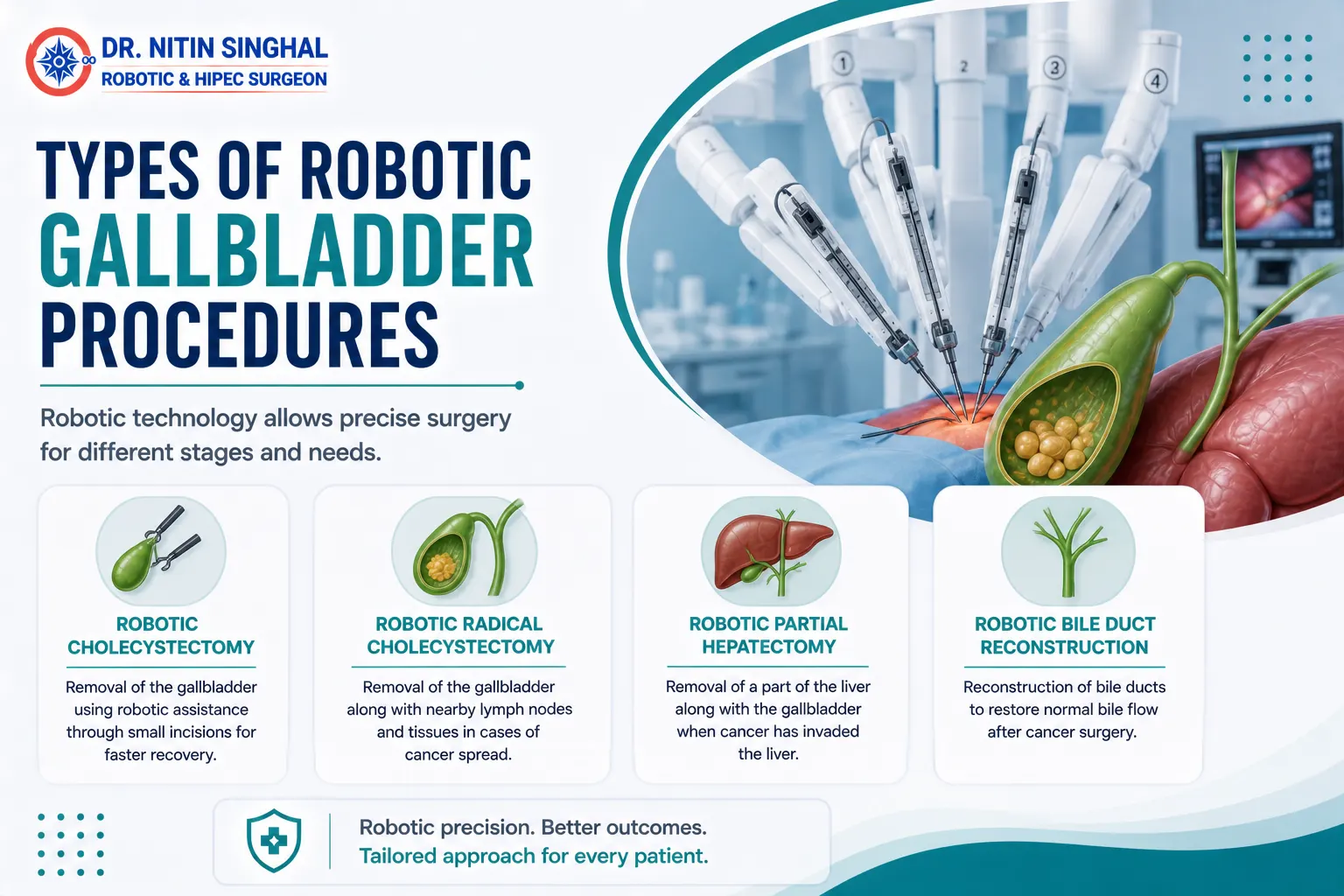
Types of Robotic Gallbladder Procedures
The specific procedure recommended depends on the tumour's stage and whether it involves the liver or bile ducts.
Robotic vs Laparoscopic vs Open Surgery
A general comparison of approach — actual outcomes for any specific patient depend on the procedure and case.
| Feature | Open Surgery | Laparoscopic Surgery | Robotic Surgery |
|---|---|---|---|
| Incisions | Larger | Smaller | Smaller |
| Visualisation | Direct | Camera-assisted, 2D | Enhanced 3D visualisation |
| Instrument Movement | Conventional, surgeon's hand | Limited range of motion | Wristed, surgeon-controlled robotic instruments |
| Recovery | Procedure-dependent | Procedure-dependent | Procedure-dependent |
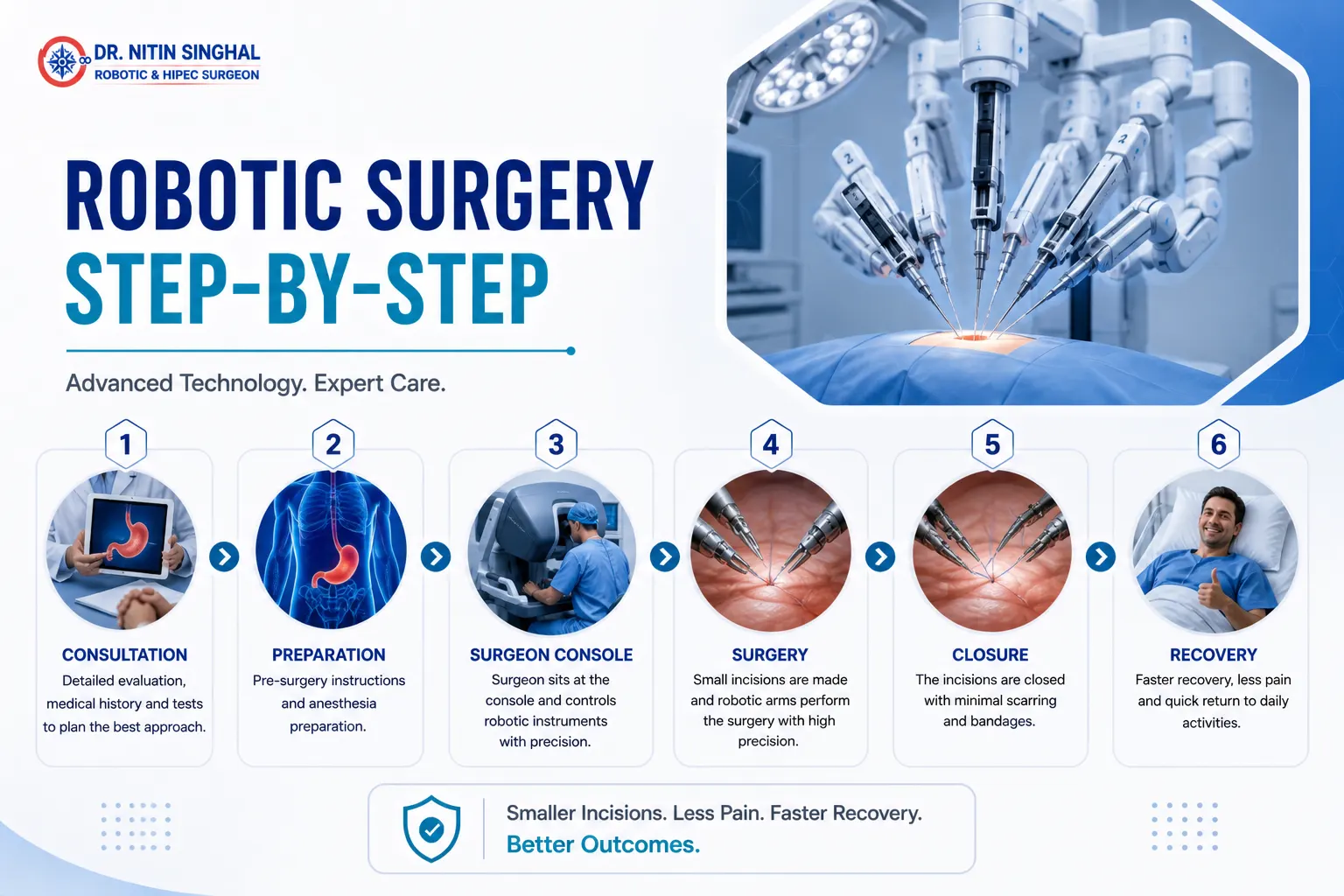
How the Surgery Works, Step by Step
Pre-operative evaluation — final review of imaging, staging and overall fitness for surgery.
Anaesthesia — the patient is placed under general anaesthesia by the anaesthesia team.
Small abdominal incisions — a few small incisions are made to introduce the robotic ports.
Robotic system positioned — the robotic arms are docked and the surgeon operates from the console.
Gallbladder identified — the gallbladder and adjacent liver bed are carefully located and assessed.
Gallbladder removed — the gallbladder, and where needed a margin of adjacent liver tissue, is dissected free and removed.
Lymph node dissection — surrounding lymph nodes are removed where appropriate, for accurate staging.
Bile duct assessment — the bile duct is checked and, if involved, addressed as part of the same procedure.
Incisions closed — the small incisions are closed, and the patient is moved to recovery.

Before Surgery & Recovery Afterwards
Investigations & Review
Final blood tests, imaging review and a medication review before the procedure.
Liver Function Assessment
Review of liver function, since the gallbladder sits directly against the liver.
Anaesthesia Assessment
A pre-anaesthesia check to confirm fitness for the procedure.
Hospital Stay & Pain Management
Structured post-operative care with pain managed through the recovery period.
Gradual Return to Eating
Diet typically progresses from liquids to soft foods to regular meals over the following days.
Long-Term Follow-Up
Scheduled follow-up visits and imaging to monitor recovery and check for recurrence.
Risks & Possible Complications
As with any major surgery, gallbladder cancer surgery carries risks. These should be discussed in detail with your surgical team before deciding on treatment.
Bleeding
As with any surgery, there is a risk of bleeding during or after the procedure.
Infection
Wound or internal infection is a possible complication of any abdominal surgery.
Bile Leak
A leak of bile at the surgical site, requiring prompt medical attention if it occurs.
Bile Duct Injury
A risk given the close proximity of the gallbladder to the main bile ducts.
Blood Clots
A risk with any major surgery, managed with preventive measures where appropriate.
Liver-Related Complications
Where liver tissue is also removed, there is a small added risk of liver-related complications.
Myths vs Facts
Patient Reviews & Videos
Verified Google reviews and patient-friendly video explainers, from Dr. Nitin Singhal's practice in Ahmedabad.
Common Questions
What is robotic gall bladder cancer surgery?
Is robotic surgery suitable for every gallbladder cancer patient?
What is the difference between simple and radical cholecystectomy?
Is gallbladder cancer often found incidentally?
What is the recovery time after robotic gallbladder cancer surgery?
How long will I stay in the hospital?
Is robotic surgery better than open surgery?
Will I need chemotherapy after gallbladder cancer surgery?
What happens to the removed tissue?
What are the risks of robotic gallbladder cancer surgery?
How do I know whether I am a candidate?
Considering Robotic Gall Bladder Cancer Surgery?
Get an expert evaluation to understand your diagnosis, treatment options, and whether robotic surgery may be appropriate for you.