
Robotic Liver Cancer Surgery in Ahmedabad, Gujarat
Dr. Nitin Singhal, an expert liver cancer surgeon, offers hepatectomy robotic surgery for liver tumor resection and liver cancer treatment in Ahmedabad, bringing 18+ years of experience in surgical oncology to precise, minimally invasive liver resection.
Dr. Nitin Singhal
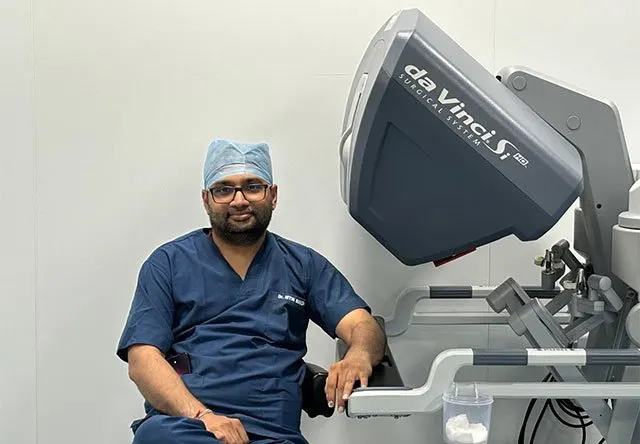
Dr. Nitin Singhal is a Robotic and HIPEC surgeon based in Ahmedabad, specialising in liver and hepatobiliary cancers, including hepatectomy and liver tumor resection. He combines robotic-assisted technique with a patient-first approach, aiming for precise tumour removal while preserving healthy liver tissue wherever suitable.
Latest Update: Complex Liver Resection in a 14-Month-Old Child

14-Month-Old Girl with Metastatic Liver Cancer Successfully Undergoes Complex Liver Resection
A 14-month-old infant from South Rajasthan, diagnosed with hepatoblastoma — the most common form of liver cancer in young children — was recently treated at Sterling Hospitals, Ahmedabad, after the disease was found to have spread to her lungs at diagnosis.
Following neoadjuvant chemotherapy that cleared the cancer from her lungs, a large tumour remained within the liver itself. Dr. Nitin Singhal led a complex liver resection to remove the affected tissue, working closely with the anaesthesia team to safely manage the case given the child's very limited blood volume and the added surgical risk of operating on a liver already affected by chemotherapy.
The case highlights the kind of coordinated, multidisciplinary cancer care — spanning chemotherapy, anaesthesia and complex liver surgery — that can be brought together for even the most fragile and high-risk patients.
Source: Ahmedabad Mirror, September 2026What Is Liver Cancer?
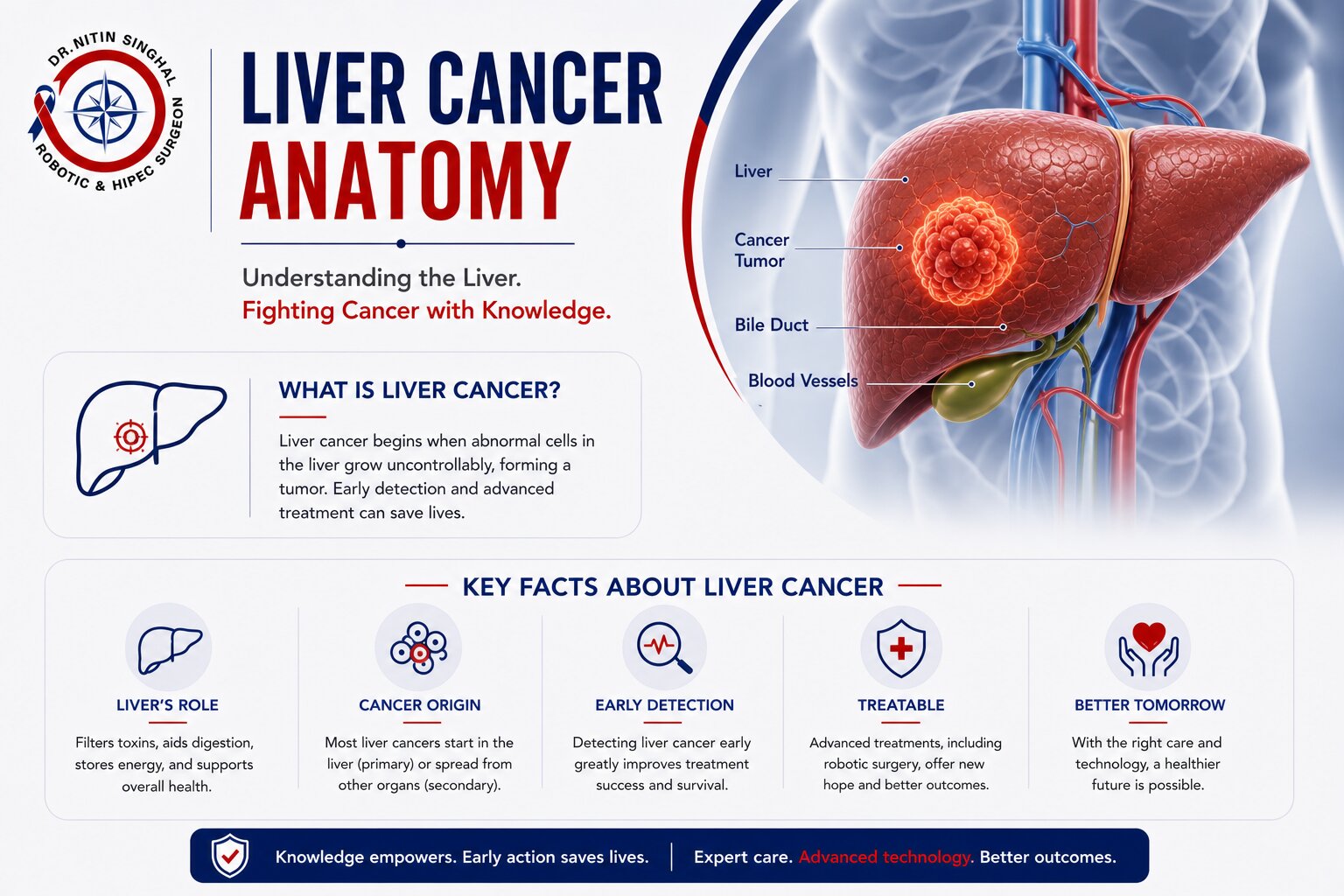
Liver cancer is a condition in which abnormal cells in the liver grow beyond control, forming a tumour that can disrupt the liver's normal functions. The liver plays a vital role in digestion, processing nutrients and eliminating toxins from the body, so cancer here can significantly affect overall health.
Liver cancer may be primary (most commonly hepatocellular carcinoma, arising in the liver itself) or secondary, when cancer spreads to the liver from another organ such as the colon, breast or lungs. In its early stages, liver cancer often causes no significant symptoms, which is why regular screening matters for people at higher risk.
Symptoms to Watch For
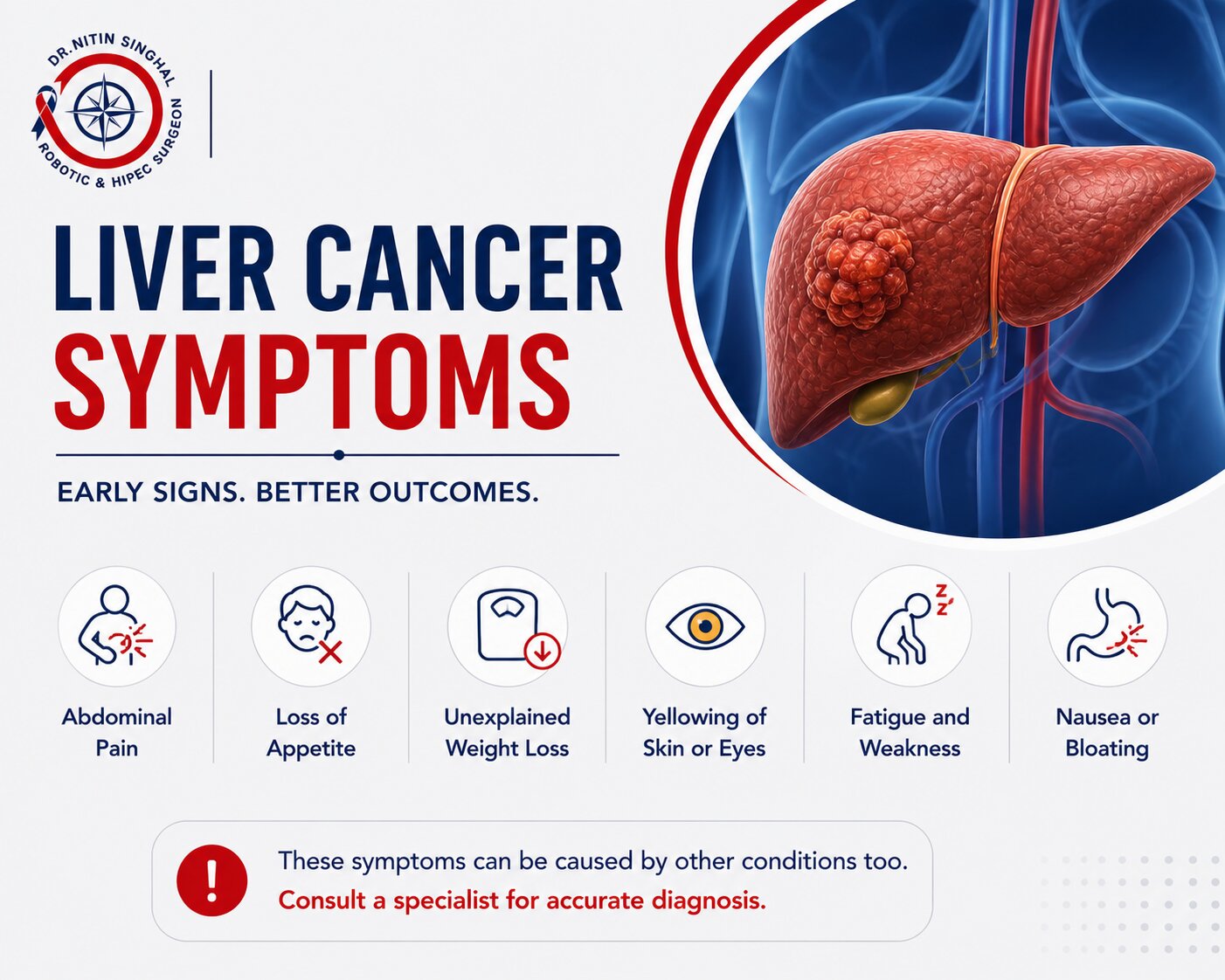
Liver cancer often causes no significant symptoms in its early stages. Any of the following, especially if persistent, should be evaluated by a doctor promptly.
Jaundice
Yellowish discolouration of the skin and eyes, caused by impaired liver function.
Abdominal Swelling or Pain
Swelling or persistent discomfort in the abdomen, particularly the upper right side.
Unexplained Weight Loss
Losing weight without a change in diet or activity level.
Loss of Appetite
Reduced appetite or feeling full quickly, without an obvious cause.
Fatigue & Nausea
Ongoing tiredness, weakness or nausea that does not improve with rest.
Easy Bruising or Bleeding
Occurs in more advanced stages, due to reduced liver function affecting blood clotting.
What Increases the Risk?
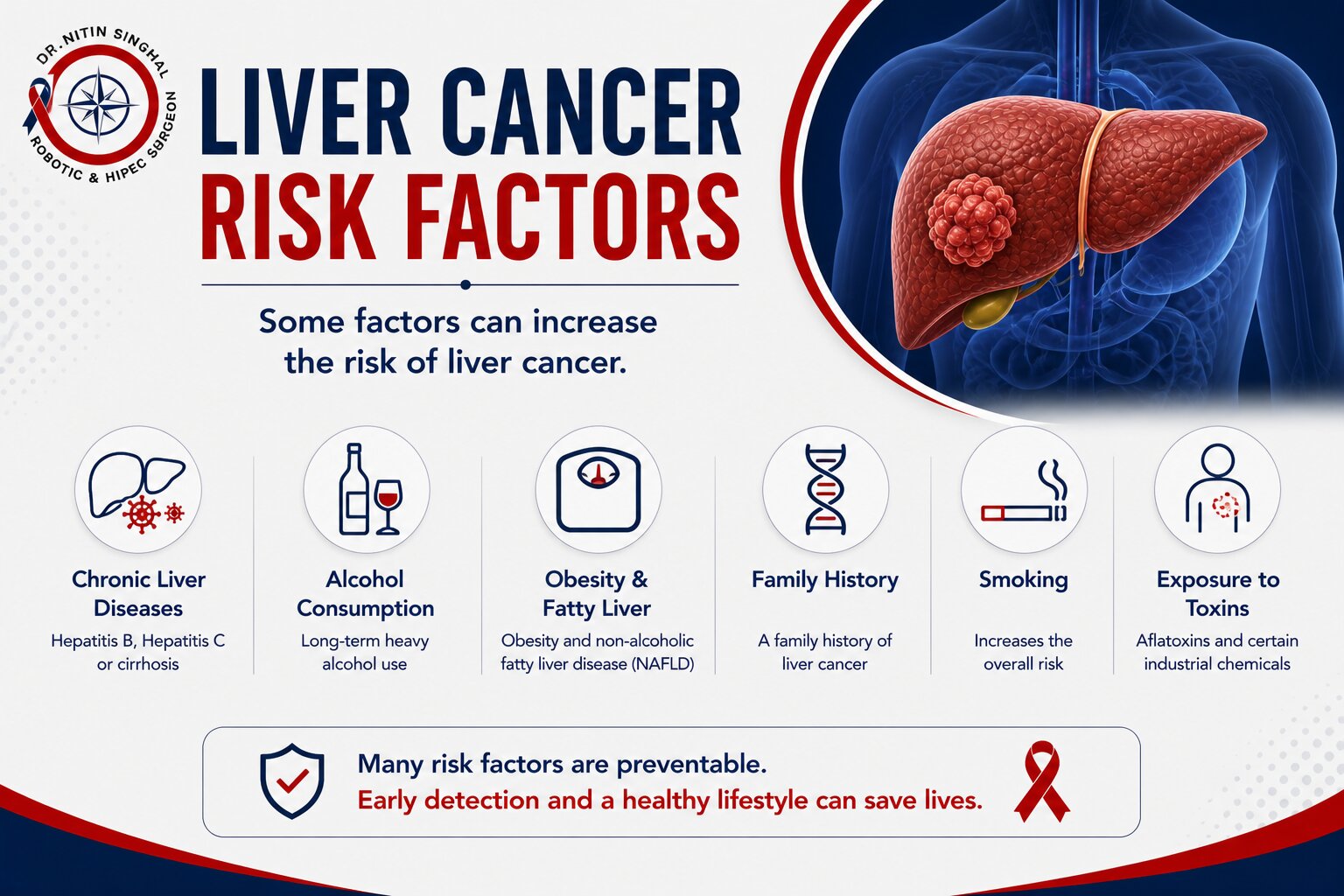
Having one or more risk factors does not mean a person will develop liver cancer — it simply means regular screening and awareness of symptoms become more important.
Chronic Hepatitis B or C
Long-term hepatitis B or C infection is among the strongest known risk factors for liver cancer.
Cirrhosis
Liver scarring from years of heavy alcohol use or fatty liver disease significantly raises risk.
Obesity & Diabetes
Both are linked with non-alcoholic fatty liver disease, a growing cause of liver cancer.
Aflatoxin Exposure
Contaminants present in certain moulds on stored food are a recognised risk factor.
Family History
A family history of liver cancer or certain inherited liver diseases raises individual risk.
Existing Liver Damage
Anyone with pre-existing liver damage is particularly susceptible and should be screened regularly.
How Is Liver Cancer Diagnosed?
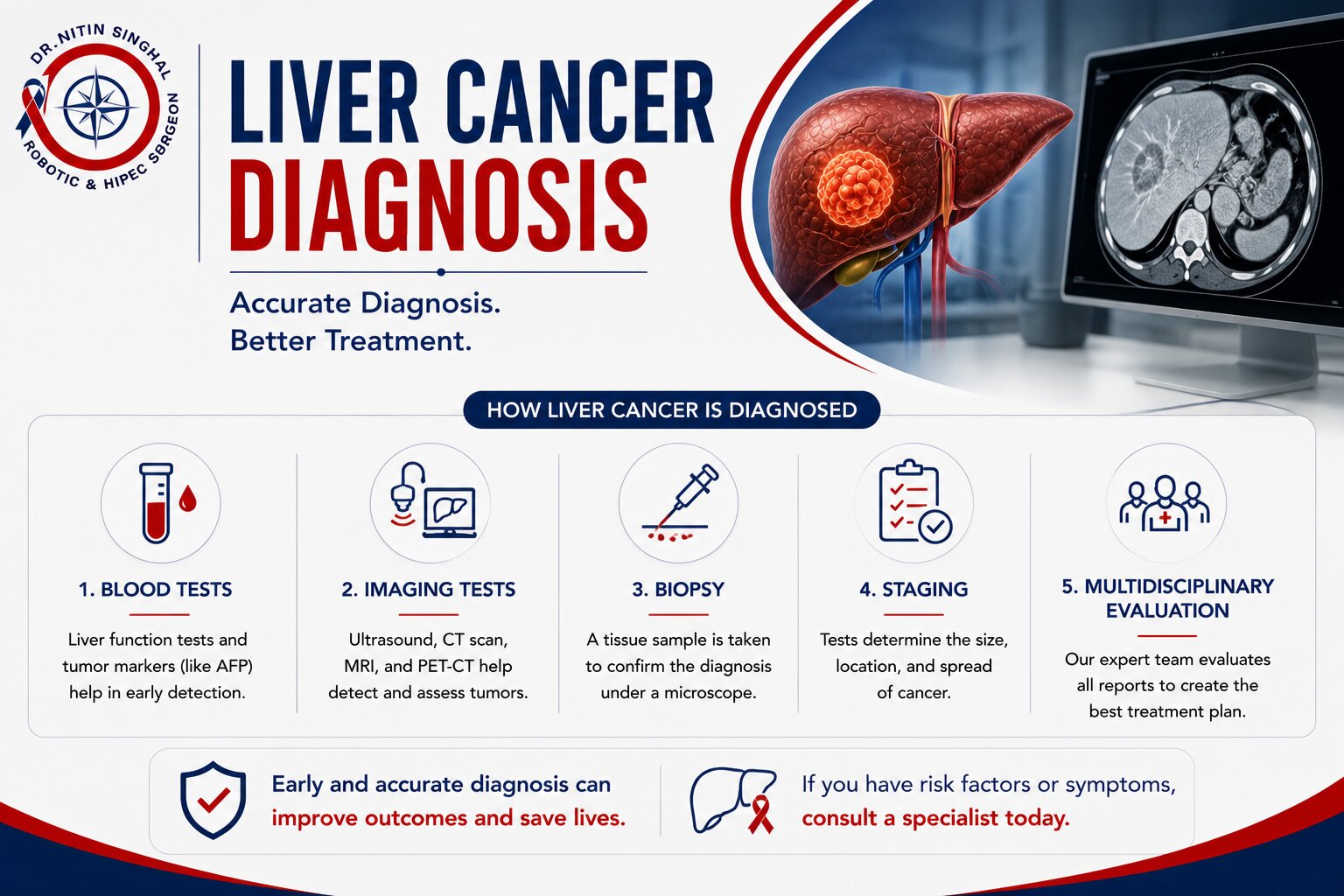
Clinical evaluation — a review of symptoms, medical history, liver disease risk factors and a physical examination.
Blood tests — including liver function tests and the AFP (alpha-fetoprotein) tumour marker.
Imaging — ultrasound, CT or MRI scans to identify and characterise any liver mass.
Biopsy — a tissue sample taken when imaging alone cannot confirm the diagnosis.
Liver function assessment — Child-Pugh or similar scoring to assess how well the liver is functioning overall.
Staging investigations — combining the above to determine tumour size, number, location and spread, guiding treatment planning.
How Liver Cancer Is Treated
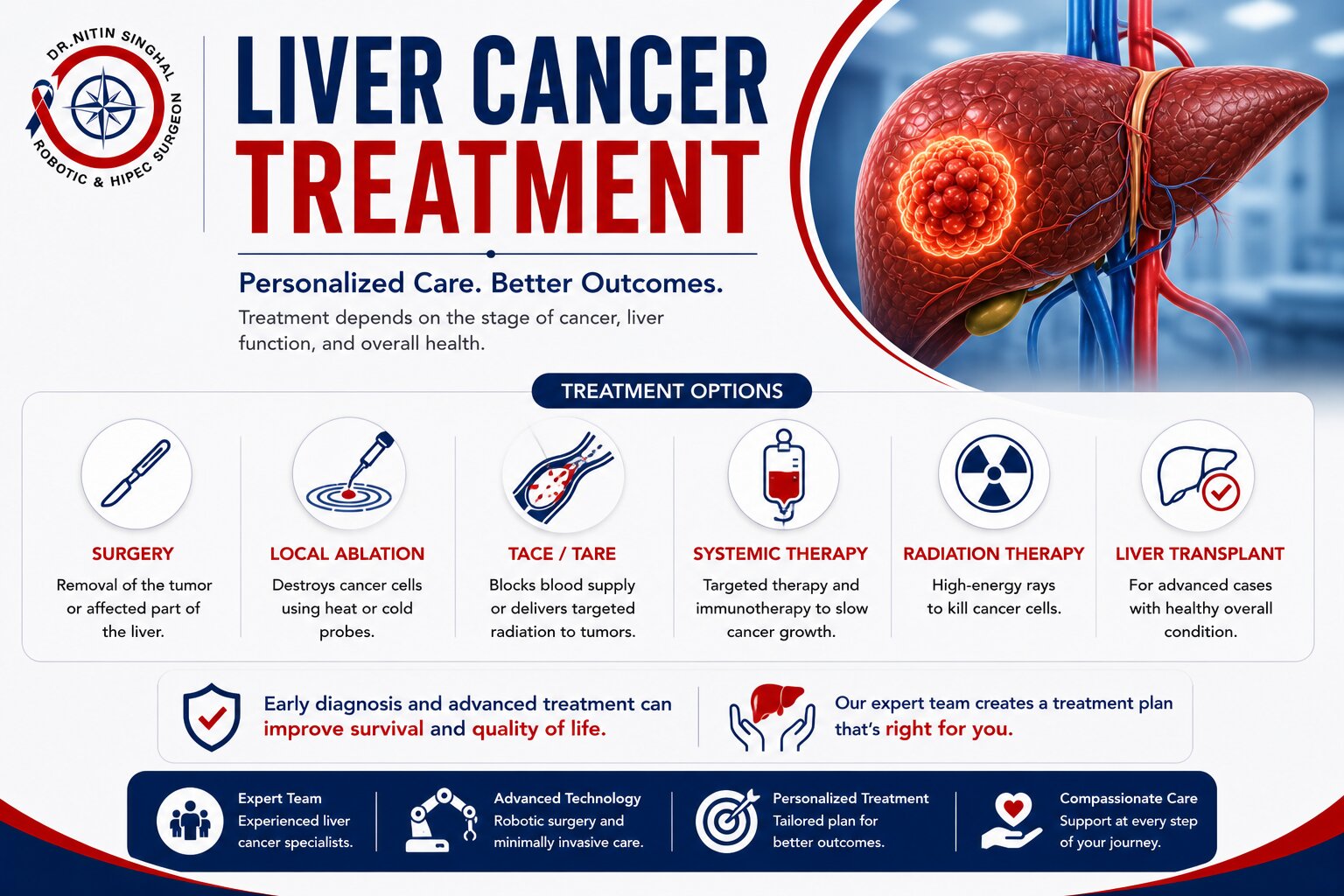
Treatment depends on tumour size, liver function and overall health, and is planned individually by a multidisciplinary team.
Hepatectomy (Liver Resection)
Surgical removal of the tumour-bearing part of the liver, often curative in early-stage disease.
Liver Transplantation
Replacing the diseased liver with a healthy donor liver, considered when resection is not suitable.
Radiofrequency Ablation
Uses heat to destroy small tumours, an option for patients unsuitable for surgery.
Transarterial Chemoembolisation (TACE)
Delivers chemotherapy directly to the tumour's blood supply for selected, unresectable cases.
Targeted Therapy & Immunotherapy
Systemic treatments used for more advanced disease or where surgery is not an option.
Multidisciplinary Follow-Up
Structured monitoring and liver function surveillance after treatment to check for recurrence.
Why Choose Dr. Nitin Singhal?
Robotic & HIPEC Cancer Surgeon
Focused practice in robotic-assisted and complex cancer surgery, including hepatobiliary oncology.
Liver & Hepatobiliary Specialisation
Experience performing both hepatectomy (liver resection) and liver transplant surgery, with an in-depth understanding of complex liver anatomy.
Training & Qualifications
MBBS, MS (General Surgery), MCh (Surgical Oncology) with training at Tata Memorial Centre, Mumbai.
18+ Years of Experience
Focused specifically in surgical oncology and complex GI cancer surgery.
Hospital Affiliations
Operates at established hospitals in Ahmedabad with advanced operation theatres, robotic systems and ICU support.
Multidisciplinary Cancer Care
Coordinated planning with medical oncology, radiation oncology and pathology colleagues as needed.
What Is Robotic Liver Cancer Surgery (Robotic Hepatectomy)?
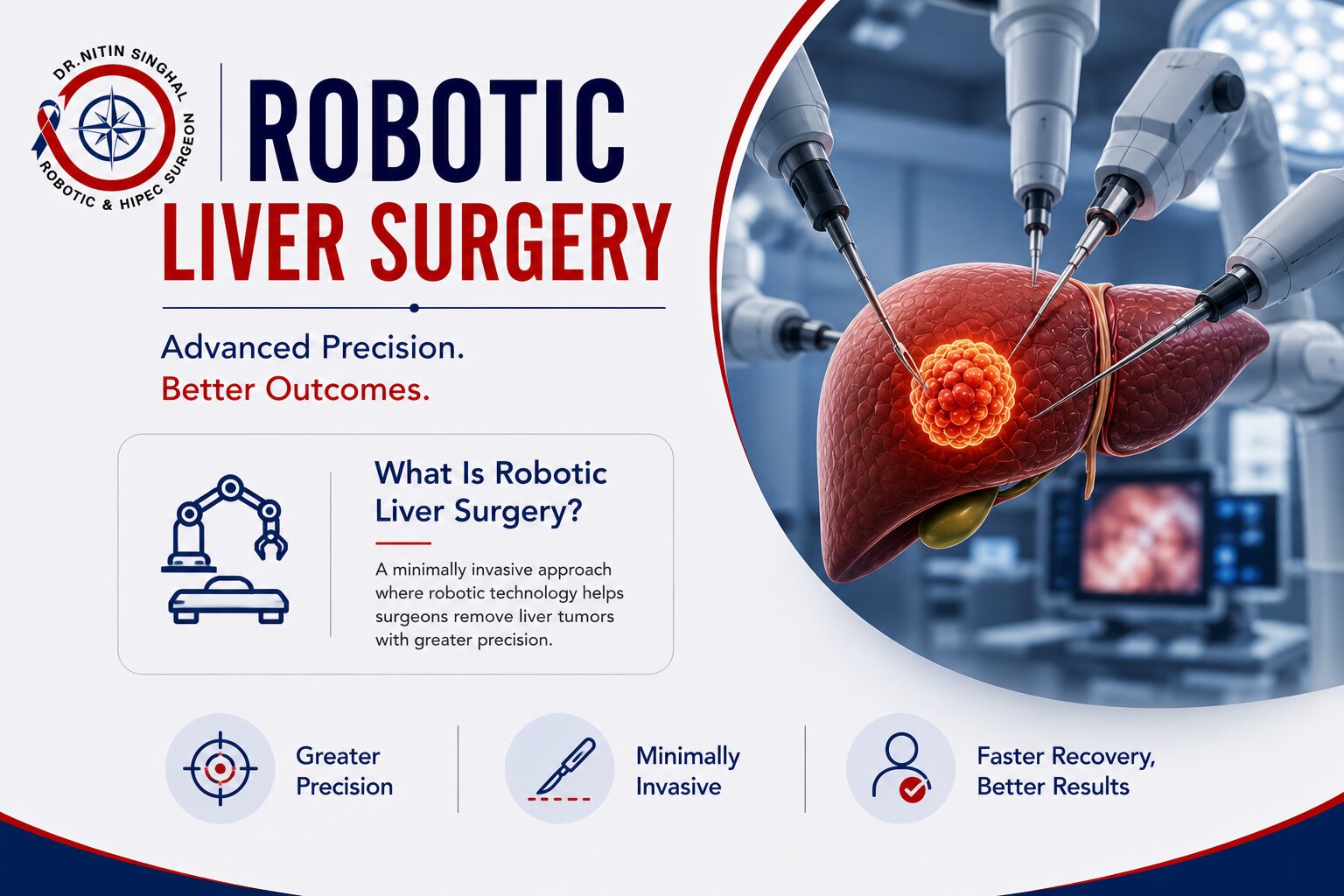
Robotic hepatectomy uses a surgical system with wristed instruments and a magnified 3D camera, controlled entirely by the surgeon from a console beside the patient. The robot does not operate independently — every movement is directed by the surgeon in real time.
The procedure is performed through a few small abdominal incisions rather than one large opening across the abdomen. The camera provides enhanced, magnified visualisation, which can support precise dissection around the liver's dense blood supply — one of the most technically demanding aspects of liver tumor resection. This differs from conventional open surgery, which uses a single larger incision and carries a heightened chance of bleeding and postoperative complications.
Why Robotic Surgery May Be Considered
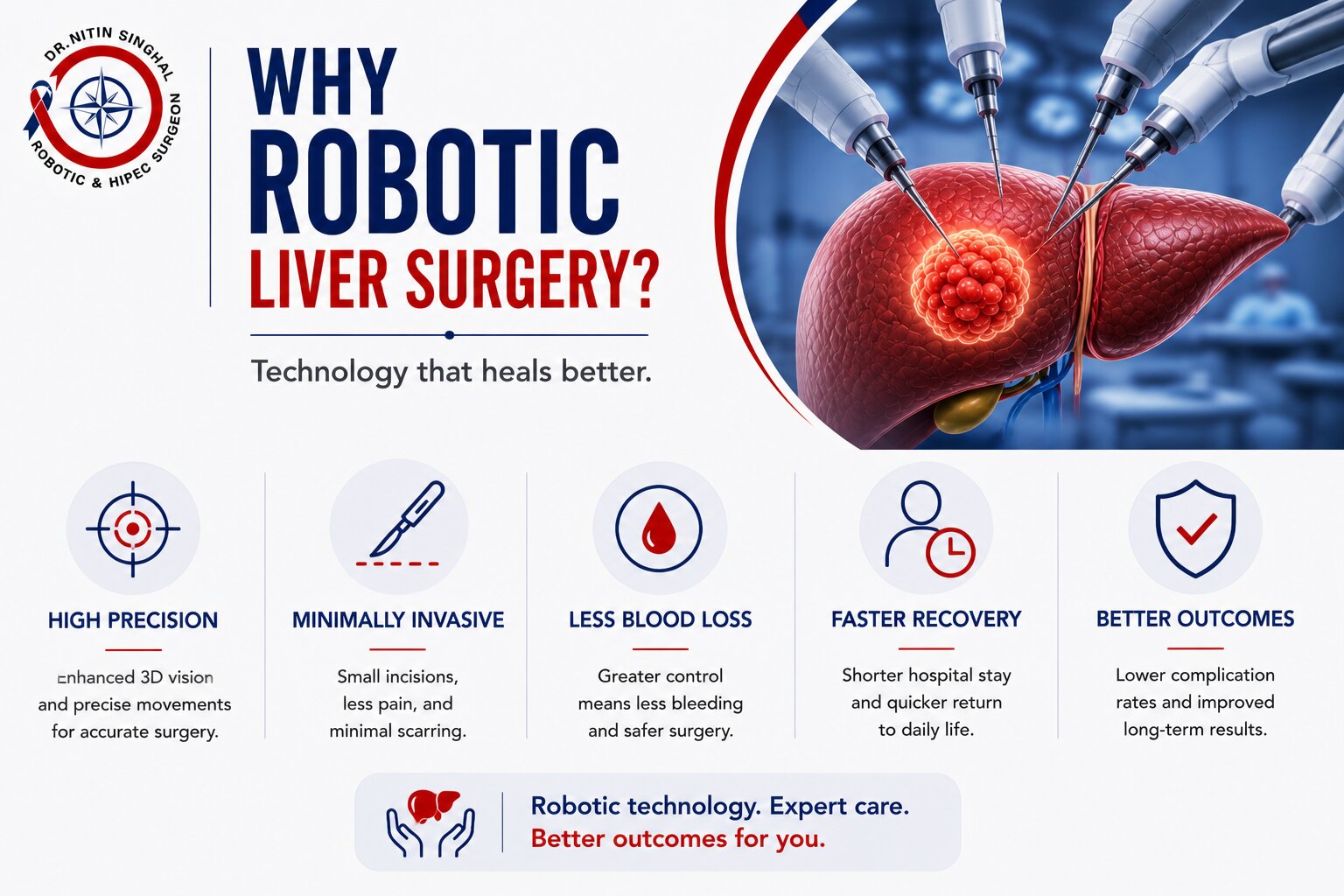
These are potential, patient-specific advantages in suitable cases — not guarantees, as outcomes depend on the individual patient and procedure.
Faster Recovery Time
Minimally invasive technique may allow a quicker return to normal activity in suitable cases.
Lower Risk of Infection
Smaller incisions are associated with a reduced risk of surgical site infection.
Lesser Scars
Several small incisions rather than one large opening across the abdomen.
Less Discomfort After Surgery
Smaller incisions may be associated with reduced post-operative pain.
Shorter Hospital Stay
In suitable patients, hospital stay may be shorter than after open liver surgery.
Preservation of Healthy Liver Tissue
Enhanced precision can help preserve more of the surrounding healthy liver.
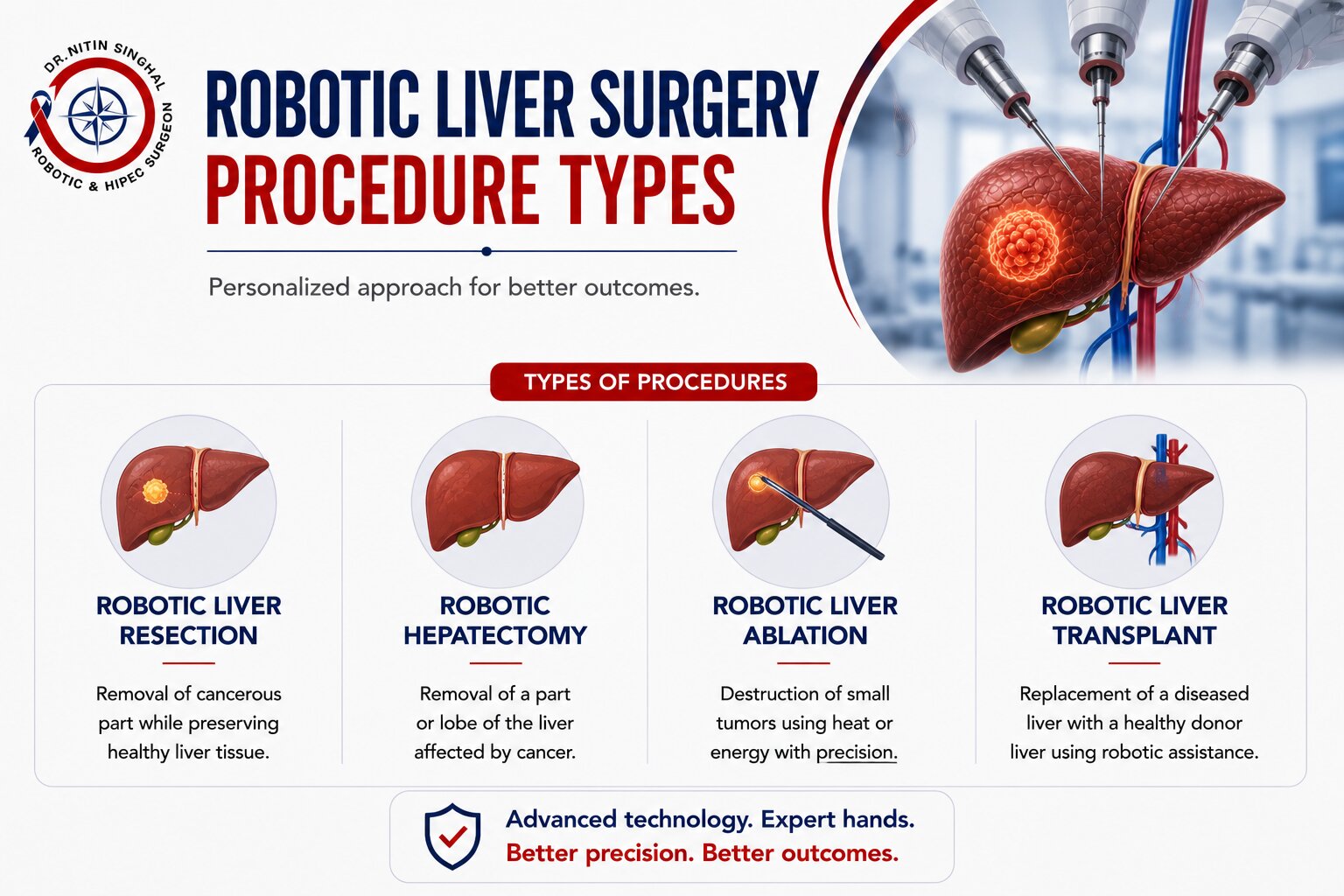
Types of Robotic Liver Procedures
The specific procedure recommended depends on the tumour's size, number, location and overall liver function.
Robotic vs Laparoscopic vs Open Liver Surgery
A general comparison of approach — actual outcomes for any specific patient depend on the procedure and case.
| Feature | Open Surgery | Laparoscopic Surgery | Robotic Surgery |
|---|---|---|---|
| Incisions | Larger, single opening | Smaller | Smaller |
| Visualisation | Direct | Camera-assisted, 2D | Enhanced 3D visualisation |
| Instrument Movement | Conventional, surgeon's hand | Limited range of motion | Wristed, surgeon-controlled robotic instruments |
| Bleeding Control | Higher risk with large liver resections | Improved over open | Enhanced precision around blood supply |
| Recovery | Procedure-dependent | Procedure-dependent | Procedure-dependent |
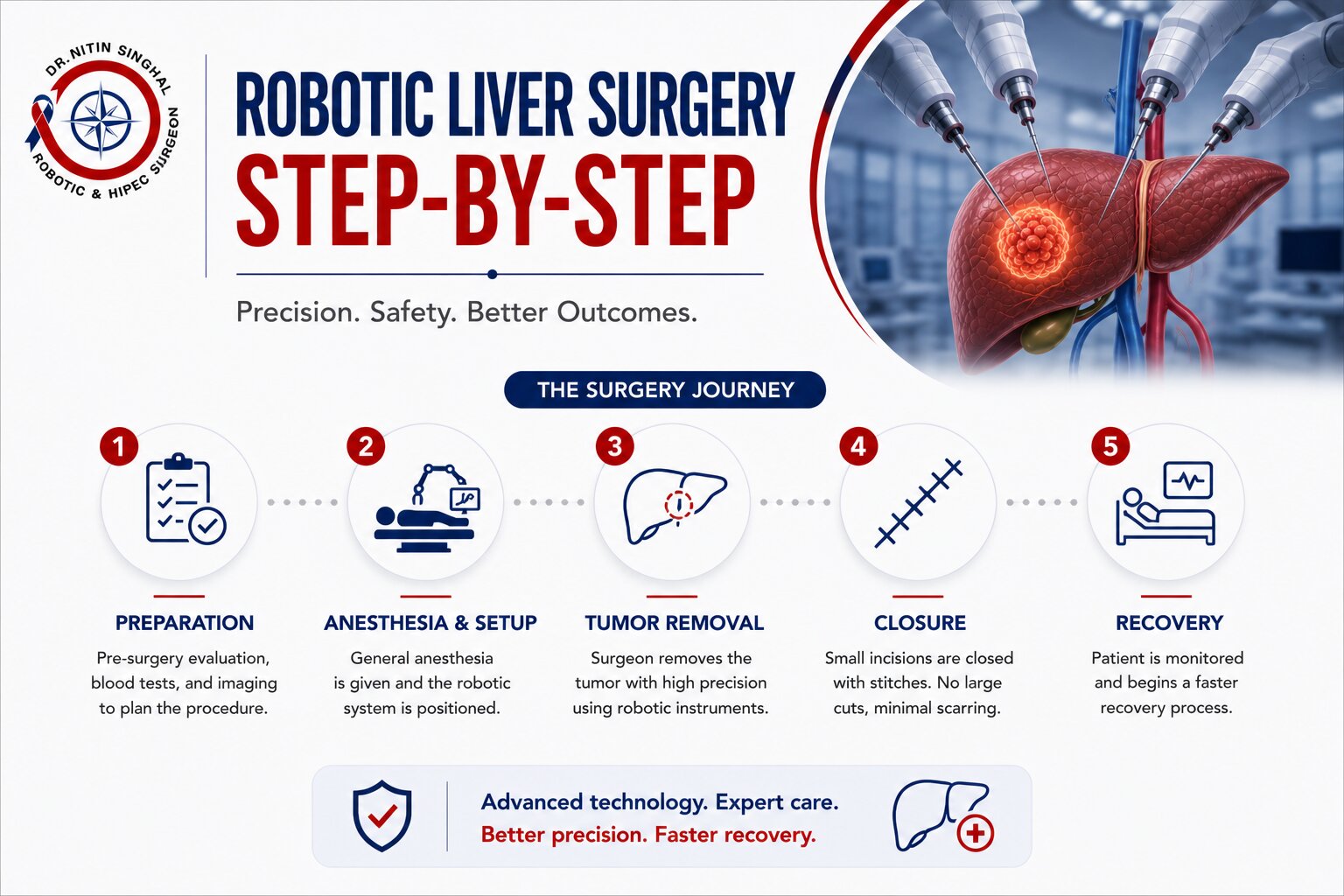
How the Surgery Works, Step by Step
Pre-operative evaluation — final review of imaging, liver function, staging and overall fitness for surgery.
Anaesthesia — the patient is placed under general anaesthesia by the anaesthesia team.
Small abdominal incisions — a few small incisions are made to introduce the robotic ports.
Robotic system positioned — the robotic arms are docked and the surgeon operates from the console.
Tumour identified — the tumour and surrounding liver tissue are carefully located and assessed.
Liver resection performed — the affected segment, lobe or portion of the liver is dissected free and removed.
Vascular control — the liver's blood vessels are carefully managed throughout, given the liver's dense blood supply.
Specimen retrieval — the resected liver tissue is removed through one of the small incisions.
Incisions closed — the small incisions are closed, and the patient is moved to recovery.
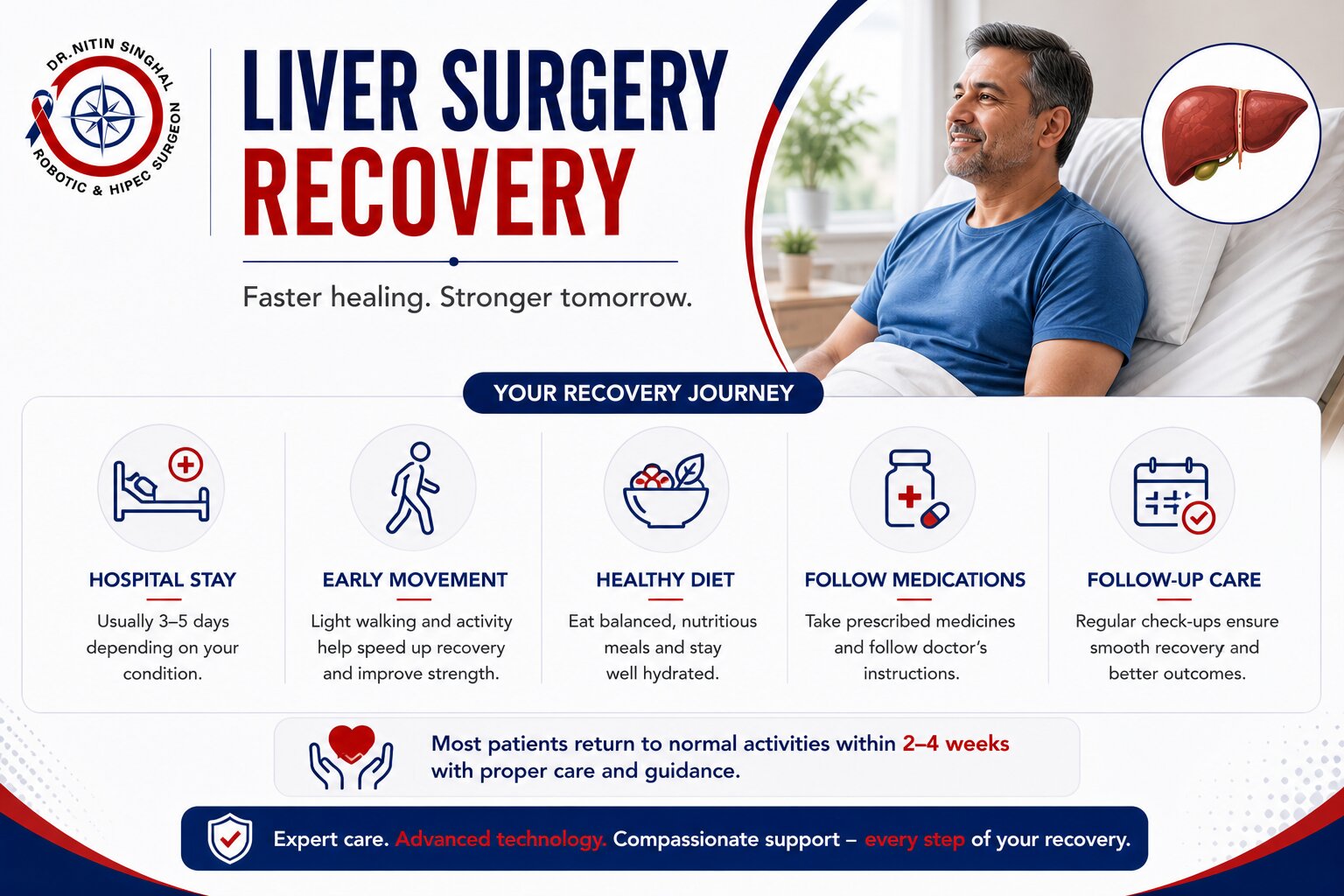
Before Surgery & Recovery Afterwards
Investigations & Review
Final blood tests, liver function tests, imaging review and a medication review before the procedure.
Liver Function Optimisation
Steps to support liver function ahead of surgery, particularly important where liver disease is present.
Anaesthesia Assessment
A pre-anaesthesia check to confirm fitness for the procedure.
Hospital Stay & Pain Management
For a hepatectomy, hospital stay is usually around 7–10 days, with pain managed through the recovery period.
Gradual Return to Activity
Full recovery after hepatectomy typically takes 6–8 weeks; minimally invasive approaches often reduce this timeline.
Long-Term Follow-Up
Ongoing liver function monitoring and imaging surveillance, alongside scheduled follow-up visits.
Risks & Possible Complications
As with any major surgery, liver surgery carries risks. These should be discussed in detail with your surgical team before deciding on treatment.
Bleeding
Given the liver's dense blood supply, bleeding is a key risk during and after the procedure.
Infection
Wound or internal infection is a possible complication of any major abdominal surgery.
Bile Leak
A leak of bile from the cut surface of the liver, requiring prompt medical attention.
Liver Failure
A risk when insufficient healthy liver tissue remains after resection, particularly in patients with underlying liver disease.
Blood Clots
A risk with any major surgery, managed with preventive measures where appropriate.
Recurrence
Liver cancer can recur, particularly in patients with underlying chronic liver disease, requiring regular follow-up.
Myths vs Facts
Patient Reviews & Videos
Verified Google reviews and patient-friendly video explainers, from Dr. Nitin Singhal's robotic & HIPEC cancer surgery practice in Ahmedabad.
Common Questions
What is robotic liver cancer surgery?
Is liver cancer curable with surgery?
Is robotic surgery suitable for every liver cancer patient?
What is the recovery time after robotic liver surgery?
How long will I stay in the hospital?
Is robotic surgery better than open surgery?
Will I need chemotherapy after liver cancer surgery?
What is the difference between liver resection and liver transplant?
What are the risks of robotic hepatectomy?
How do I know whether I am a candidate?
Considering Robotic Liver Cancer Surgery?
Get an expert evaluation to understand your diagnosis, treatment options, and whether robotic hepatectomy may be appropriate for you.