
Uro Cancers — Robotic Surgical Treatment in Ahmedabad
Dr. Nitin Singhal provides robotic surgical care for cancers of the urinary and male reproductive tract — kidney, prostate, testis and bladder — combining precision technique with faster recovery.
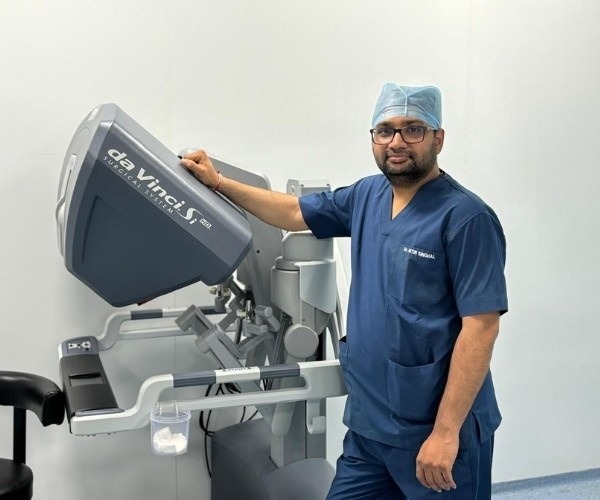
Dr. Nitin Singhal
Dr. Nitin Singhal is a specialist Robotic and HIPEC (Hyperthermic Intraperitoneal Chemotherapy) surgeon based in Ahmedabad, focused on the surgical management of uro-oncology and peritoneal surface malignancies. He combines advanced robotic-assisted techniques with a patient-first approach to deliver precise, minimally invasive cancer surgery.
Patients travel to Ahmedabad from across Gujarat and beyond for his expertise in kidney, prostate, testicular and bladder cancer surgery, as well as complex HIPEC procedures for peritoneal cancers — with an emphasis on organ preservation, faster recovery and long-term quality of life.
Precision That Shows Up In Recovery
Explore Our Second Opinion & HIPEC Programme
Uro-oncology surgery sits within two dedicated programmes at our centre — visit either page for full detail on conditions treated, technique, and what to expect.
Second Opinion for Uro Cancer
A structured review of your scans, biopsy and pathology reports to confirm diagnosis and stage, and to outline the treatment approaches available to you.
Get a Second Opinion →HIPEC (Hyperthermic Intraperitoneal Chemotherapy)
Cytoreductive surgery combined with heated intraperitoneal chemotherapy for selected patients with peritoneal surface spread of cancer.
Visit HIPEC Page →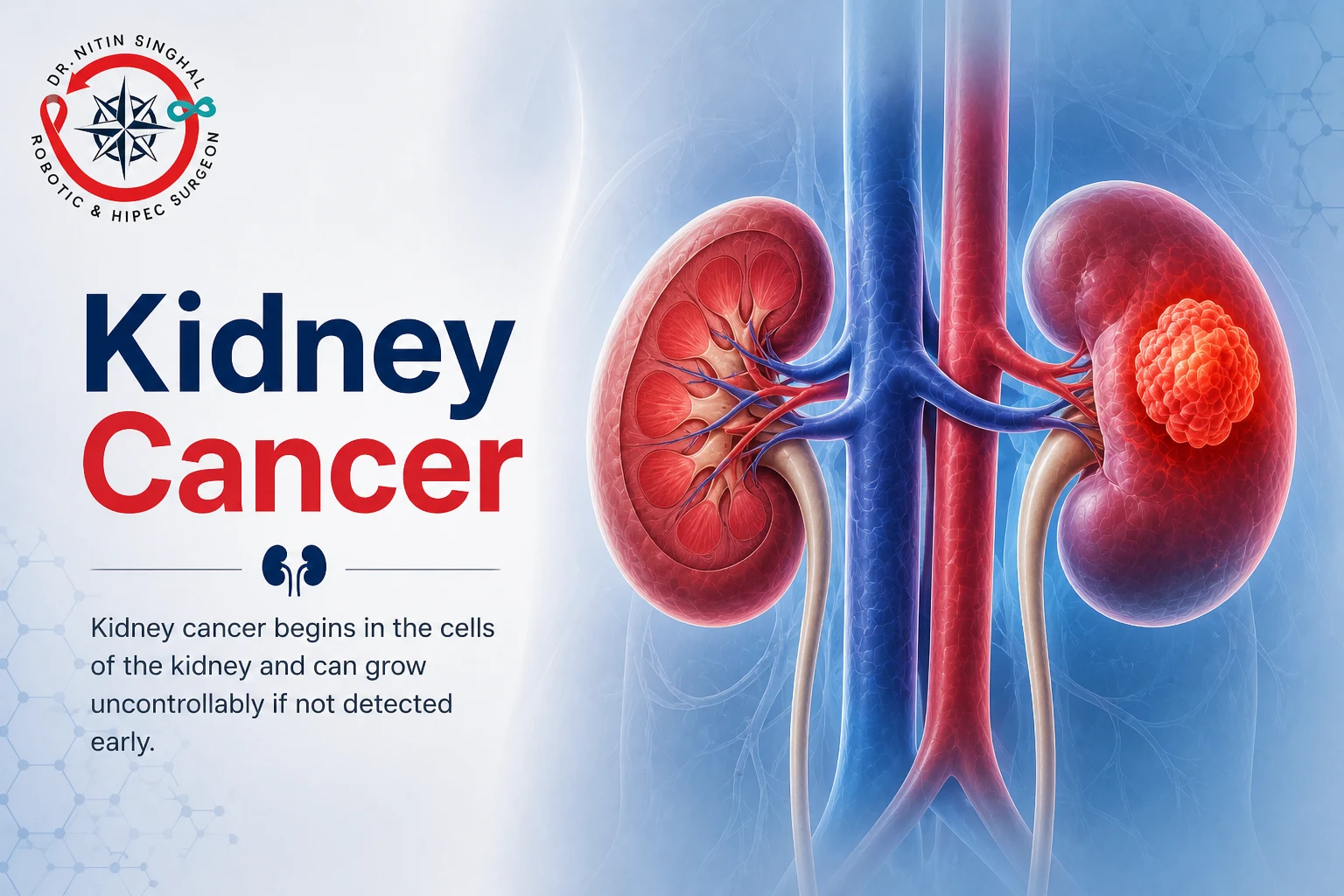
Kidney Cancer
Kidney (renal) cancer often develops silently, with many cases now found incidentally on scans done for unrelated reasons. When symptoms do appear, they can include blood in urine, persistent flank pain, or an abdominal lump.
Robotic partial or radical nephrectomy allows precise removal of the tumour — preserving as much healthy kidney tissue as possible where the case allows — through small incisions, with less blood loss and a faster return to normal activity than open surgery.
Common Signs
- Blood in the urine (haematuria)
- Persistent pain in the side or lower back
- A noticeable lump or mass in the abdomen
- Unexplained fatigue or weight loss
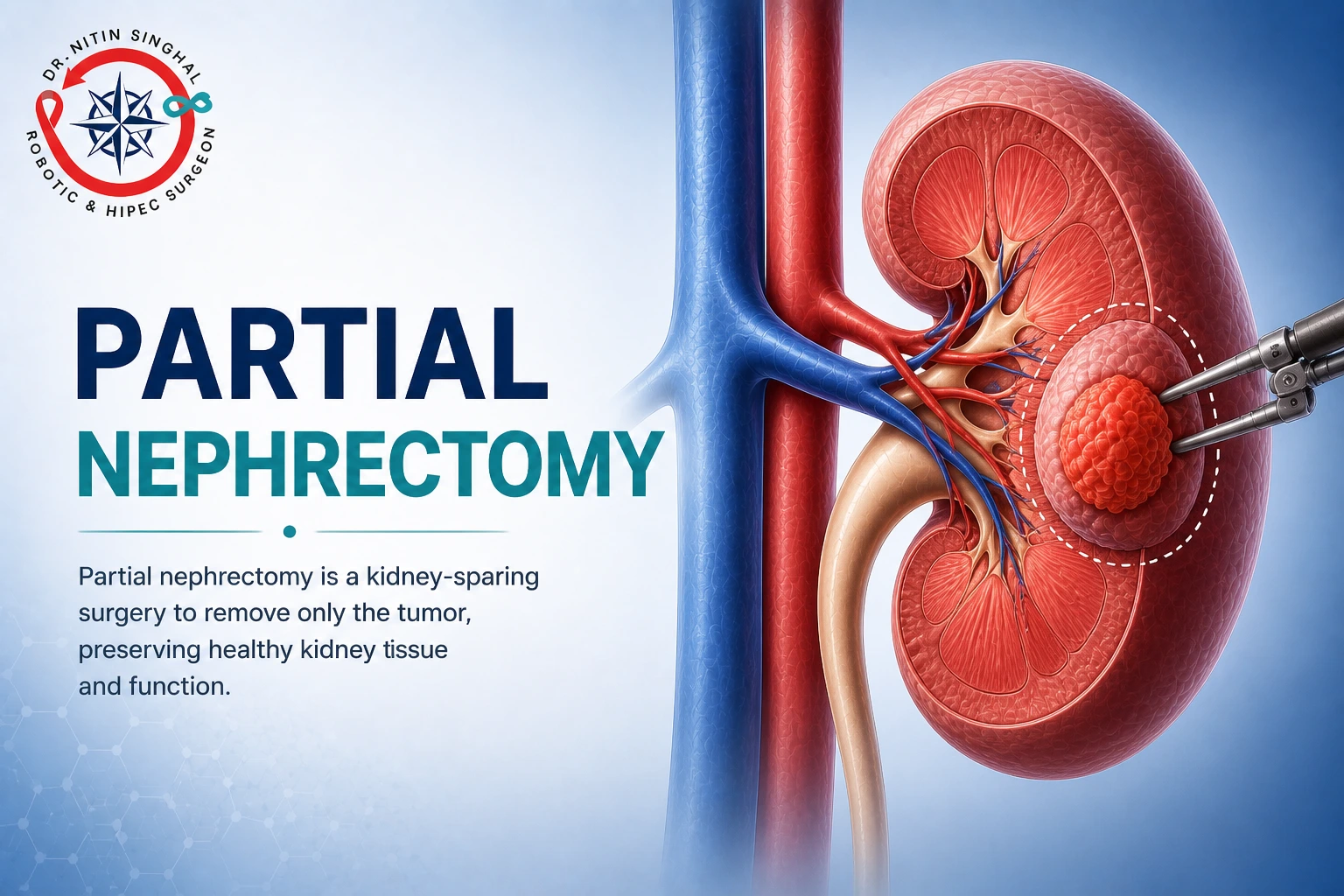
Robotic Partial Nephrectomy
Partial nephrectomy removes only the tumour and a margin of surrounding tissue, leaving the rest of the kidney intact. It is generally the preferred approach for smaller, well-localised tumours, and is especially valued in patients with a single kidney or existing kidney impairment.
Performed robotically, the procedure allows precise dissection around the tumour with careful control of bleeding during the brief period the kidney's blood supply is clamped, helping preserve as much healthy, functioning kidney tissue as possible.
Best Suited For
- Smaller tumours confined to one part of the kidney
- Patients with a single functioning kidney
- Those with pre-existing kidney impairment
- Cases where long-term kidney function is a priority
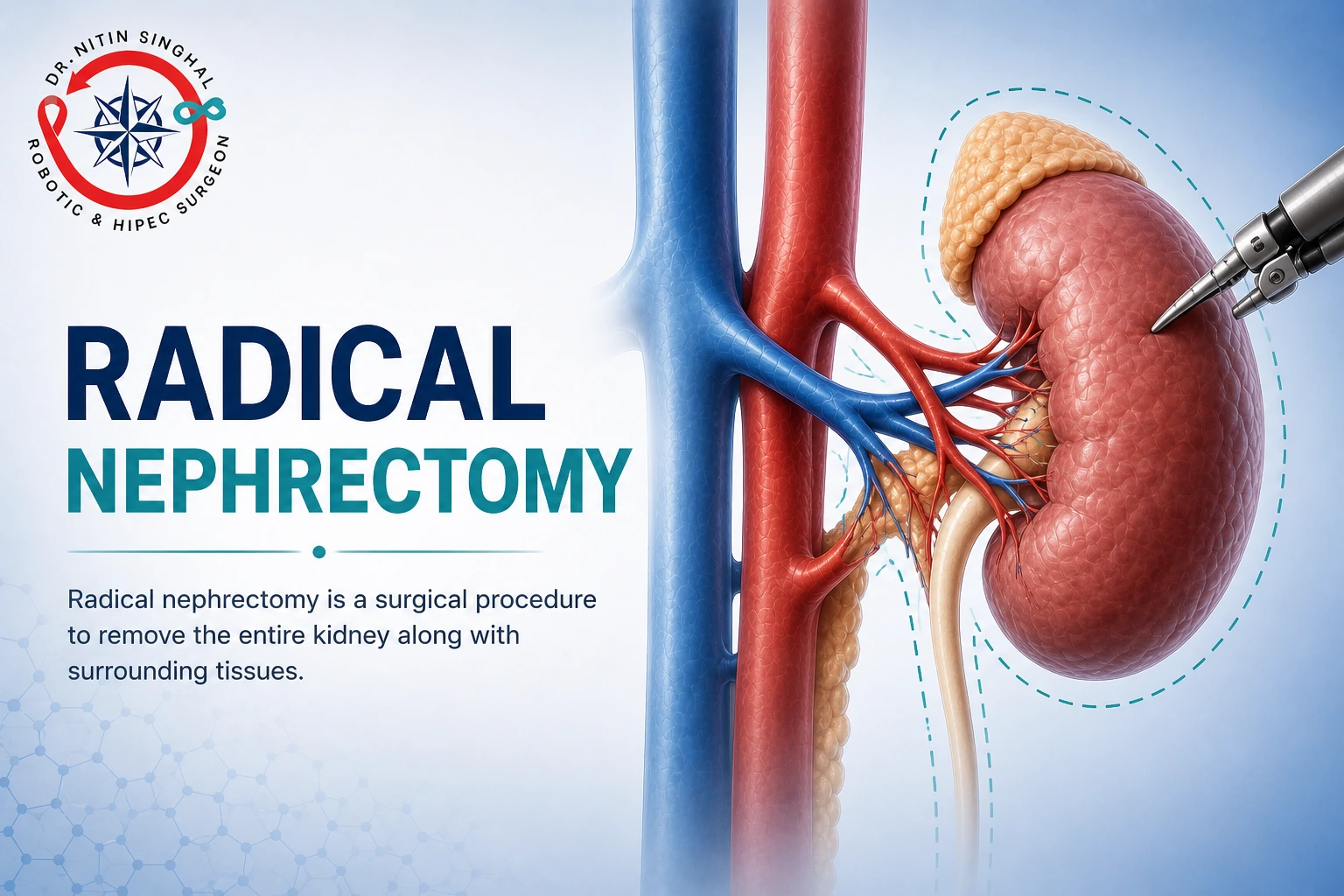
Robotic Radical Nephrectomy
Radical nephrectomy involves removal of the entire affected kidney, and is generally recommended for larger tumours, centrally located tumours, or cases where partial removal is not technically feasible, provided the remaining kidney is expected to function adequately on its own.
The robotic approach allows this more extensive procedure to still be performed through a few small incisions, with the same benefits of reduced blood loss, less post-operative pain, and a faster return to routine compared with open surgery.
Best Suited For
- Larger or centrally located kidney tumours
- Tumours involving the renal vein or collecting system
- Cases unsuitable for kidney-sparing surgery
- Patients with normal function expected in the remaining kidney
Prostate Cancer
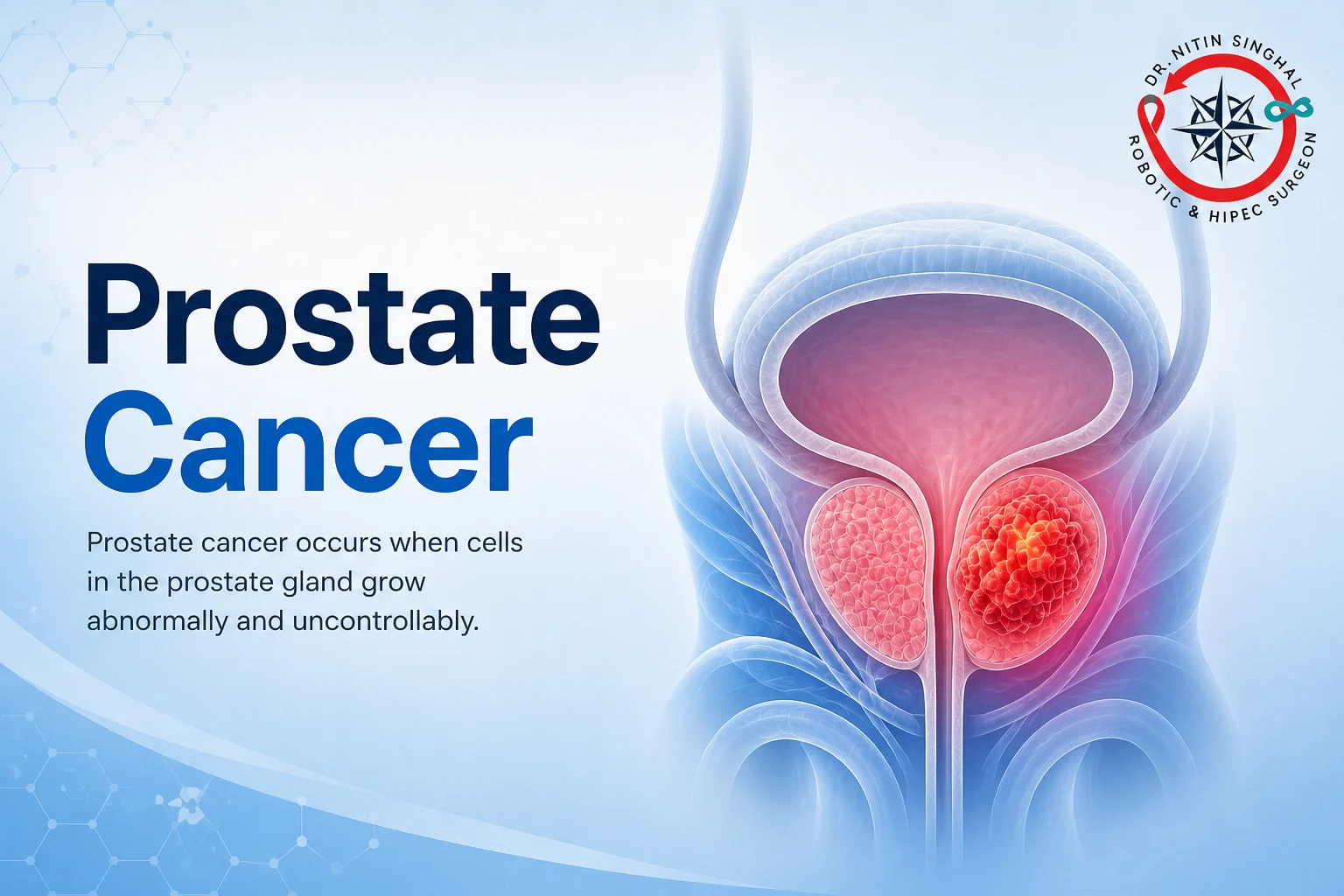
Prostate cancer is one of the most common cancers in men, and often grows slowly. Screening (PSA blood test, and MRI or biopsy where indicated) helps catch it early, when treatment success rates are highest.
Robotic radical prostatectomy offers a nerve-sparing, highly precise approach to removing the prostate, aimed at cancer control while helping preserve urinary continence and sexual function wherever clinically appropriate.
Common Signs
- Difficulty or frequent urination, especially at night
- Weak or interrupted urine flow
- Blood in urine or semen
- Often no early symptoms — screening matters
Testicular Cancer
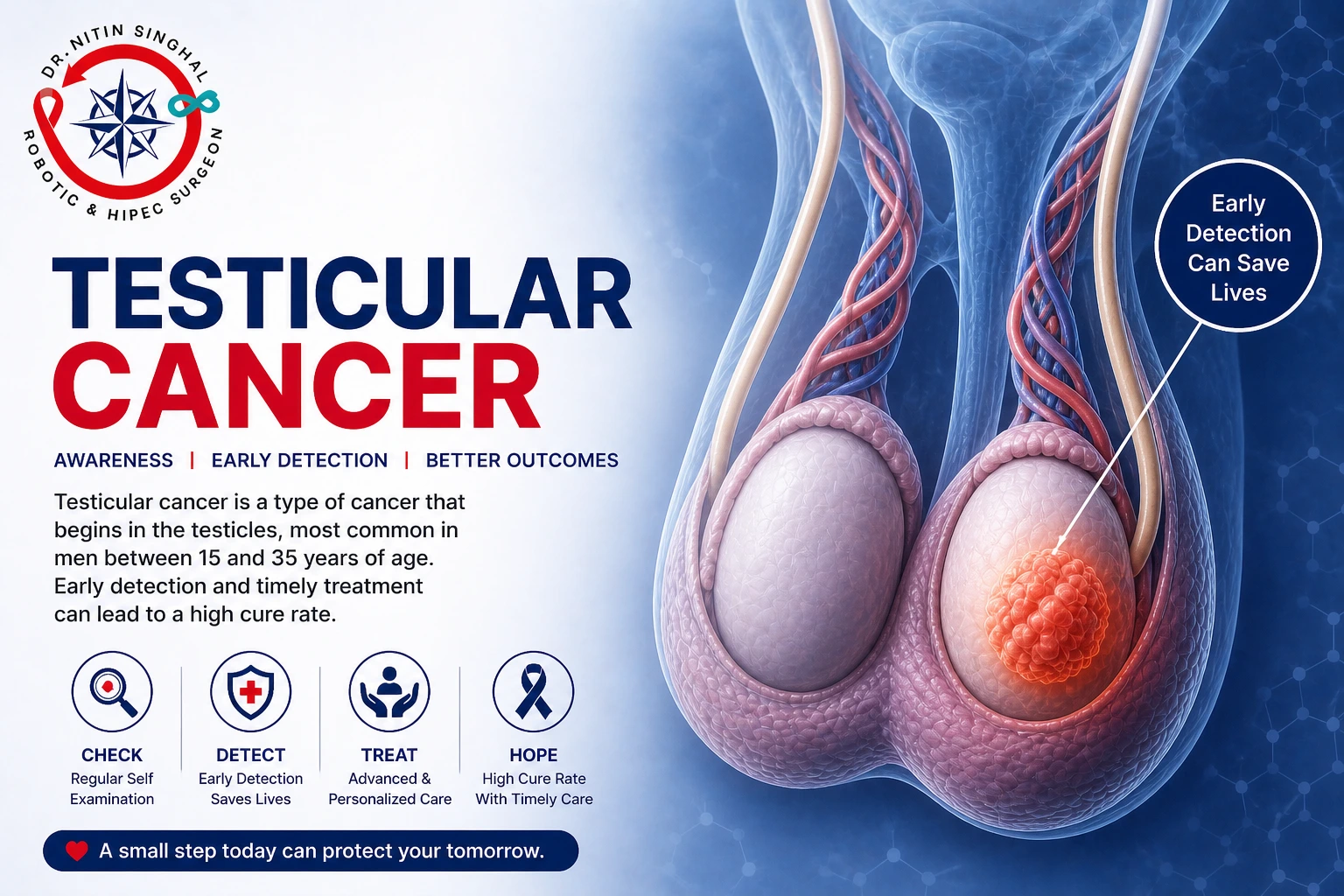
Testicular cancer is uncommon overall but is the most frequently diagnosed cancer in younger men. It's highly treatable, especially when caught early — self-examination and prompt evaluation of any change make a real difference.
Treatment typically begins with radical inguinal orchiectomy (surgical removal of the affected testis), followed where needed by further staging and oncology-guided therapy, coordinated closely with the patient throughout.
Common Signs
- A painless lump or swelling in the testis
- A feeling of heaviness in the scrotum
- Dull ache in the lower abdomen or groin
- Any noticeable change should be evaluated promptly
Bladder Cancer
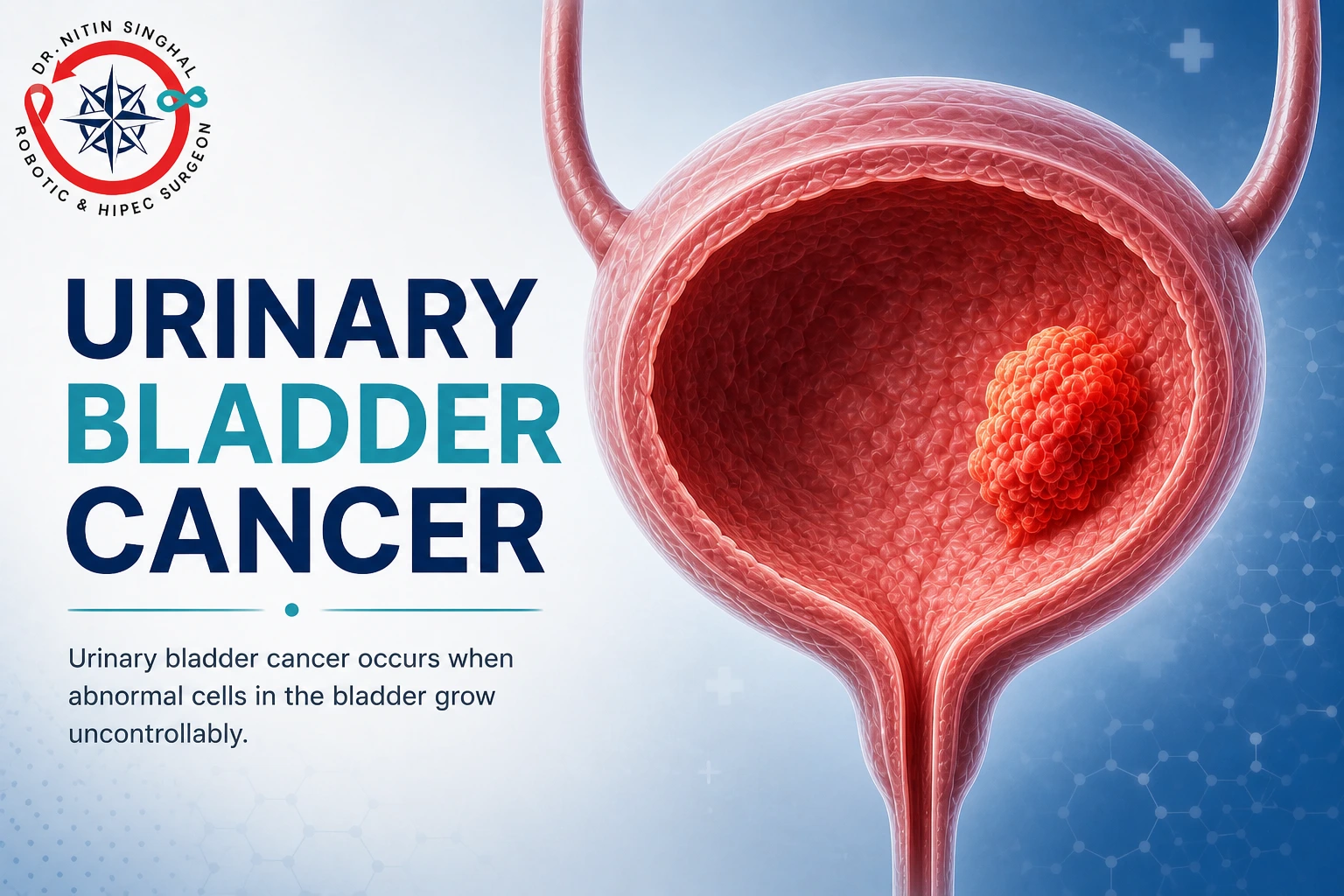
Bladder cancer most often presents as visible blood in the urine, sometimes without pain. It ranges from superficial disease managed without major surgery to more advanced, muscle-invasive cancer requiring bladder removal.
Depending on stage, treatment ranges from minimally invasive tumour resection to robotic radical cystectomy for advanced cases — performed with careful attention to reconstruction and long-term quality of life.
Common Signs
- Blood in the urine, often painless
- Frequent or urgent need to urinate
- Pain or burning during urination
- Lower back pain on one side

Neo Bladder
Following robotic radical cystectomy for muscle-invasive bladder cancer, an orthotopic neo bladder can be constructed from a segment of the patient's own intestine and connected to the urethra — creating a new internal urine reservoir for eligible patients.
For suitable candidates, this approach allows a more natural pattern of voiding without a permanent external urostomy bag, and is planned individually based on tumour location, kidney function, and overall fitness for a more extensive reconstructive procedure.
Best Suited For
- Patients without tumour involvement of the urethra
- Adequate kidney function to support reconstruction
- Motivation and ability to manage post-operative self-care
- Suitability confirmed individually during surgical planning
What To Expect, Step By Step
Every uro-oncology case moves through the same careful sequence — designed for accurate diagnosis and the least disruption to your life.
Consultation
Review of scans, reports and symptoms to understand your specific case.
Diagnosis & Staging
Imaging, biopsy or blood markers (as needed) to confirm stage and plan.
Robotic Surgery
Minimally invasive, nerve- and organ-sparing procedure where clinically suitable.
Recovery & Follow-up
Structured post-op care and monitoring for long-term outcomes.
Uro Cancer Treatment — Common Questions
Is robotic surgery safe for kidney, prostate, testicular and bladder cancer?
How is robotic surgery different from open or laparoscopic surgery?
Can kidney or prostate function be preserved after surgery?
How long is the hospital stay and recovery period?
Do I need a second opinion before deciding on surgery?
What Our Patients Say
Live reviews collected from Google, reflecting real patient experiences with Dr. Nitin Singhal and his team.
Treated successfully for left breast cancer at Sterling Hospital. Very happy with the treatment and recovery, and grateful to Dr. Singhal and his entire team for their excellent care and guidance.
Heartfelt gratitude for Dr. Singhal and his team after successful surgery for a jaw cancer diagnosis. The care was compassionate, guidance was clear, and post-operative recovery has been very satisfactory.
Admitted for robotic removal of a stomach GIST tumour. Everything from admission to discharge was well organised and clearly explained. Recovery was smooth with no major complications.
Discuss Your Reports With Dr. Nitin Singhal
Share your scans or reports for an expert second opinion, or call to book a consultation directly.