
Specialised Pediatric Oncology Care in AhmedabadDiagnosis · Surgery · Multidisciplinary Treatment
Childhood cancer calls for more than adult protocols scaled down. Dr. Nitin Singhal, with 18+ Years of Experience, and his multidisciplinary team plan every diagnosis, surgery and recovery around the child's age, growth and family — not just the tumour.
Discuss Your Case With Dr. Nitin Singhal
Share your child's reports for a second opinion on a suspected or confirmed diagnosis, or call to book an in-person consultation.
Understanding Pediatric Oncology
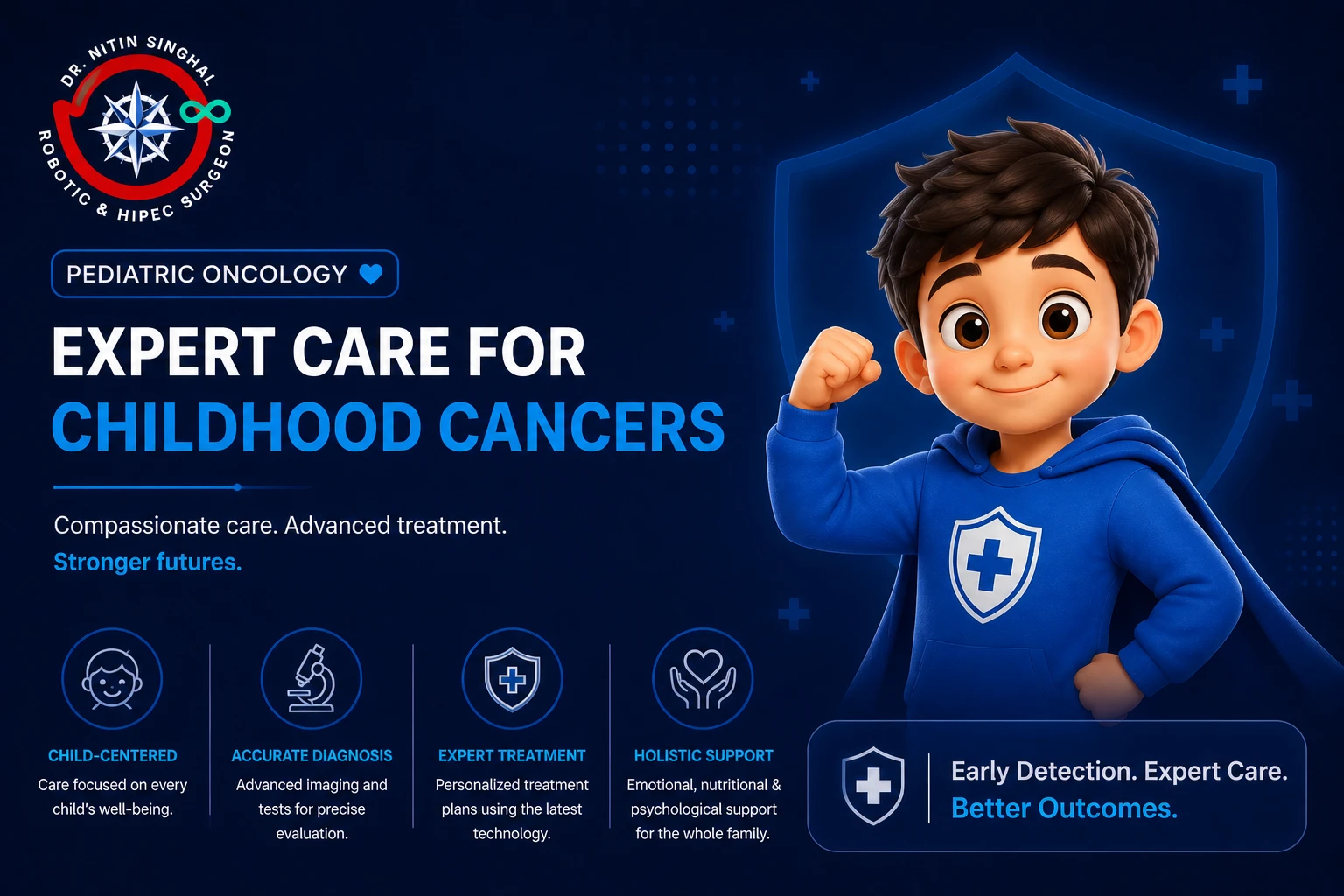
Pediatric oncology is the branch of medicine dedicated to diagnosing, treating and managing cancer in children and adolescents. Childhood cancers behave differently from most adult cancers — they often grow faster, respond differently to treatment, and require protocols built specifically for a developing body.
Care spans diagnosis, staging, active treatment, recovery and long-term follow-up. Depending on the cancer, a child's plan may combine surgery, chemotherapy, radiation therapy, stem cell transplantation or newer targeted therapies — sequenced to protect long-term growth, development and quality of life.
Treating the tumour is only part of the work. Children and their families are supported with emotional, nutritional and psychological care at every stage of the journey — not only during active treatment.
Signs and Symptoms to Watch For
Childhood cancer can present with symptoms that overlap with common illnesses. Persistent or unexplained symptoms deserve a medical evaluation.
Conditions We Evaluate and Treat
Treatment and outlook depend on the specific cancer, its biology, stage and the child's overall health.
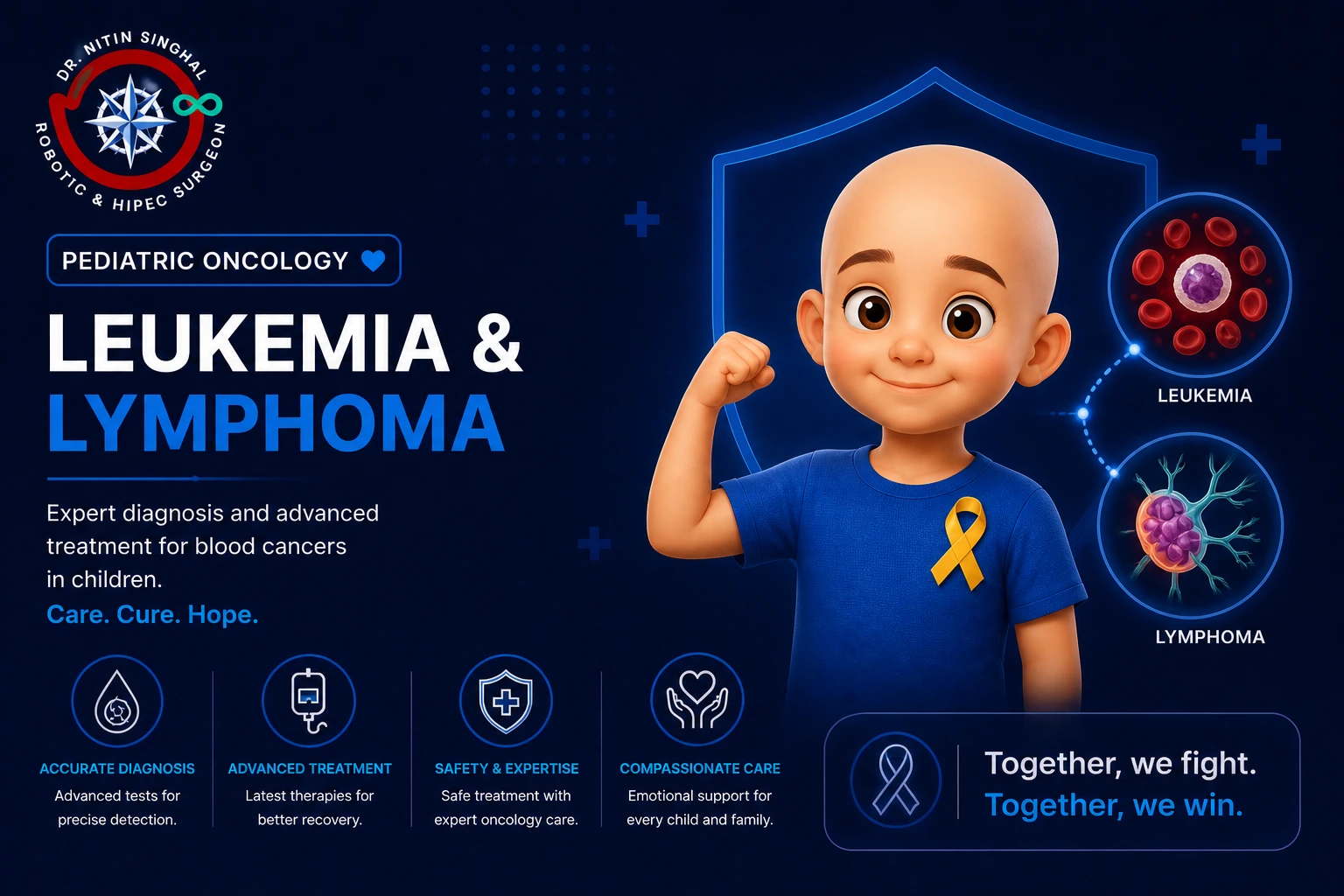
Leukemia & Lymphoma
Cancers of the blood-forming tissues and lymphoid system, including acute lymphoblastic leukemia, acute myeloid leukemia, Hodgkin and non-Hodgkin lymphoma — among the most common childhood cancers.
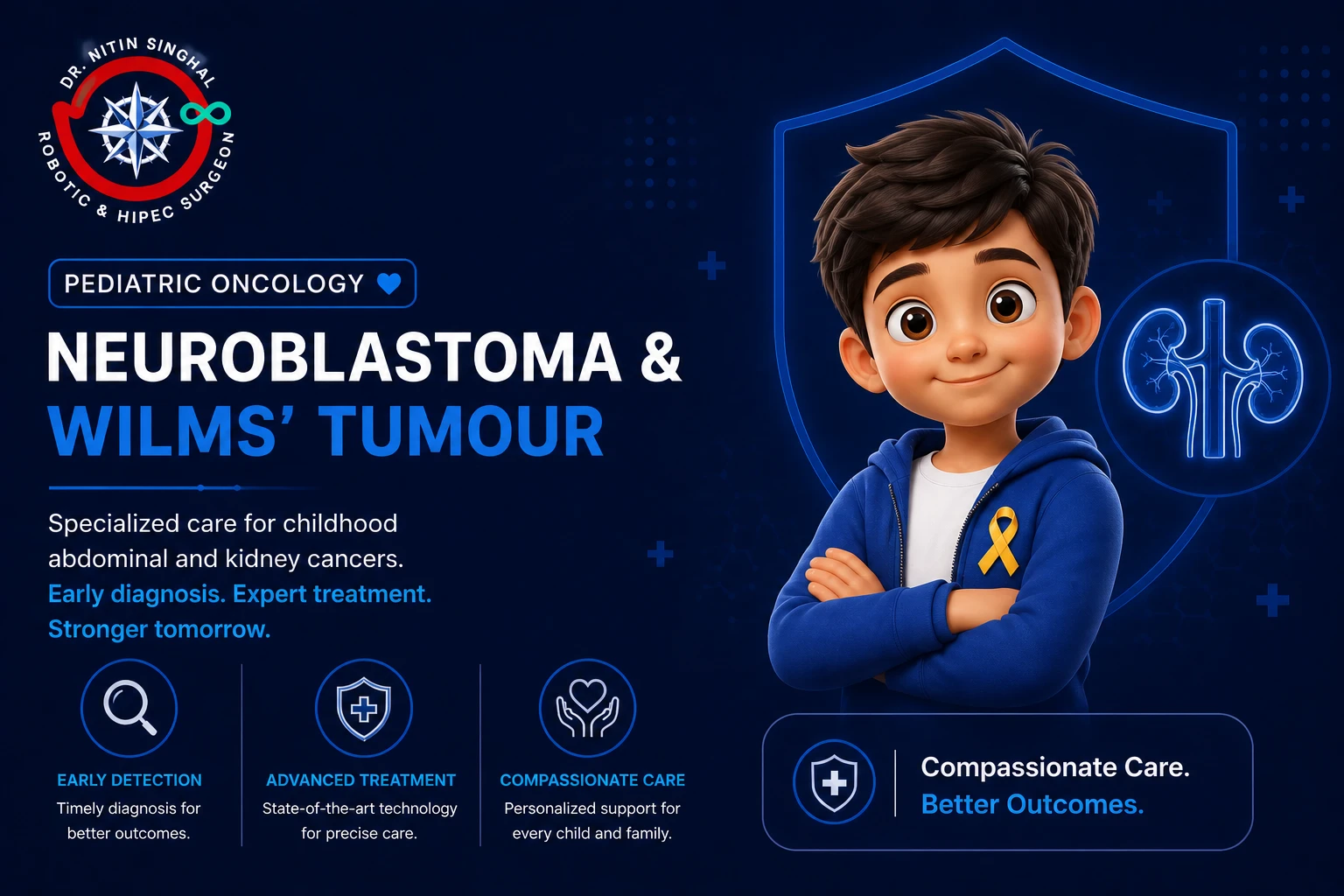
Neuroblastoma & Wilms' Tumour
Neuroblastoma arises from immature nerve cells; Wilms' tumour develops in the kidney. Both are managed with treatment plans guided by risk group and stage.
Retinoblastoma & Other Solid Tumours
Retinoblastoma affects the retina and needs early diagnosis to preserve vision. Children can also develop other rare solid tumours requiring specialist evaluation.
Rhabdomyosarcoma & Osteosarcoma
Rhabdomyosarcoma develops from muscle-associated cells; osteosarcoma is a primary bone cancer, most often in the long bones. Both commonly involve surgery alongside systemic therapy.
How Pediatric Cancer Is Diagnosed
The right investigations depend on the symptoms and the cancer suspected — used to confirm a diagnosis and determine how far the disease extends.
Complete Blood Count & Labs
Blood counts and laboratory studies help assess the child's overall health and flag abnormalities in blood-forming cells.
MRI, CT & Ultrasound
Imaging maps the tumour's location, size and relationship to organs and tissues before any treatment decision.
Tissue Diagnosis
A tissue sample confirms the presence of cancer cells and defines the tumour's specific characteristics.
CSF Analysis
In selected conditions, cerebrospinal fluid is analysed to check for disease involvement of the central nervous system.
Treatment Built Around the Child
Treatment is individualised by cancer type, stage, risk group, tumour biology, age and overall health — often combining more than one approach.
Surgery
Removal of solid tumours when a safe, complete resection is possible — planned around the tumour's location and its relationship to surrounding structures.
Chemotherapy
Medicines that destroy cancer cells or control their growth — used before surgery, after surgery, or as the primary treatment for cancers like leukemia.
Radiation Therapy
Targeted high-energy radiation, used selectively with careful attention to a growing child's age and long-term effects.
Immunotherapy
Helps the immune system recognise and attack cancer cells, where suitable for the specific pediatric cancer and clinical situation.
Stem Cell Transplantation
Recommended for selected blood cancers and other conditions where intensive treatment with stem cell rescue is appropriate.
Targeted & Advanced Therapies
Where the cancer's biological features allow it, targeted medicines and newer therapies are considered by the oncology team.
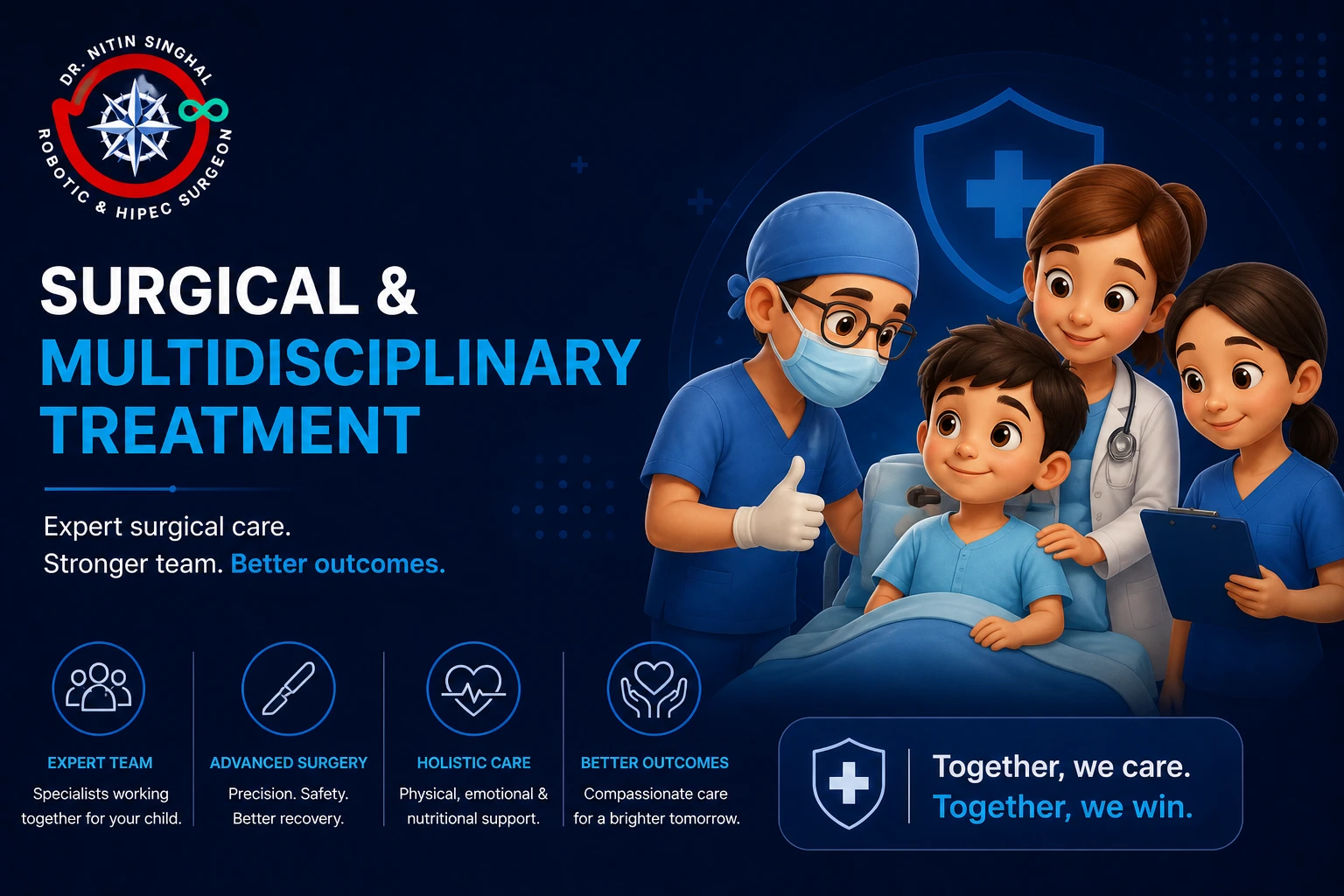
Expert, Multidisciplinary Care for Every Diagnosis
Dr. Nitin Singhal is a surgical oncologist with 18+ Years of Experience in complex cancer surgery and multidisciplinary oncology care. When surgery is indicated for a pediatric solid tumour, the approach is chosen only after careful evaluation of the tumour and the child's clinical condition — coordinated closely with medical oncology, radiation oncology, pathology and radiology.
18+ Years of Experience
Individualised treatment planning based on the child's specific diagnosis and clinical needs.
Advanced Surgical Oncology
Surgical treatment for selected solid tumours, performed with precision.
Multidisciplinary Coordination
Close collaboration with the full range of relevant cancer specialists.
Family-Centred Support
Clear communication with parents and caregivers at every stage.
Supporting the Child and the Family
- ✓Emotional and psychological support throughout treatment
- ✓Nutritional guidance and general health support
- ✓Careful management of treatment-related symptoms
- ✓Regular follow-up and progress monitoring
- ✓Ongoing support for parents and caregivers
Care That Continues After Treatment Ends
Children who complete cancer treatment are followed to monitor recovery, growth, development and any late effects — tailored to their specific diagnosis and treatment history.
Pediatric Oncology, Answered
Answers to what parents most often ask about childhood cancer symptoms, diagnosis and treatment.
Pediatric oncology is the specialised field of medicine focused on diagnosing and treating cancer in children and adolescents — spanning blood cancers such as leukemia and lymphoma as well as solid tumours.
Warning signs can include unexplained weight loss, persistent headaches, unexplained lumps, ongoing swelling or pain, unusual bruising or bleeding, recurrent infections, persistent fatigue and certain eye changes. These can also stem from non-cancerous conditions, so a medical evaluation is important when symptoms persist.
The most common include leukemia, lymphoma, neuroblastoma, Wilms' tumour, rhabdomyosarcoma, retinoblastoma and osteosarcoma. Children can also develop other, less common solid tumours.
Diagnosis depends on the suspected condition and may involve blood tests, imaging, biopsy and other specialised investigations, sometimes including tests to check whether the cancer has spread.
Depending on the cancer, treatment may include surgery, chemotherapy, radiation therapy, immunotherapy, stem cell transplantation or targeted therapies — often combined as part of a carefully sequenced plan.
Surgery plays an important role for many pediatric solid tumours where the tumour can be safely removed. Its role depends on the tumour's type, location, stage and relationship to surrounding organs.
Chemotherapy uses medicines that destroy cancer cells or stop their growth. Depending on the cancer, it may be used before surgery, after surgery, alongside other treatments, or as the main treatment.
Outcomes vary by cancer type, stage, biology, treatment response and overall health. Advances in pediatric oncology have improved outcomes for many childhood cancers, though prognosis is individual and best discussed with the treating team.
Yes. Children may need ongoing monitoring after treatment to track recovery, development, overall health and possible late effects — with a follow-up plan tailored to their diagnosis and treatment history.
Persistent, unusual or unexplained symptoms should be discussed with a pediatrician or specialist without delay. If investigations suggest or confirm cancer, specialist oncology assessment helps establish the diagnosis, stage and appropriate treatment options.
Looking for Specialised Pediatric Cancer Care?
If your child has been diagnosed with cancer, or needs evaluation for a suspected tumour, discuss the diagnosis and available treatment options with an experienced oncology team.