
Robotic Prostate Cancer Surgery in Ahmedabad, Gujarat
Dr. Nitin Singhal, an expert prostate cancer surgeon, offers radical prostatectomy robotic surgery and nerve sparing prostatectomy for prostate tumor surgery, with prostate cancer treatment in Ahmedabad, bringing 18+ years of experience to precise, minimally invasive urologic cancer surgery.

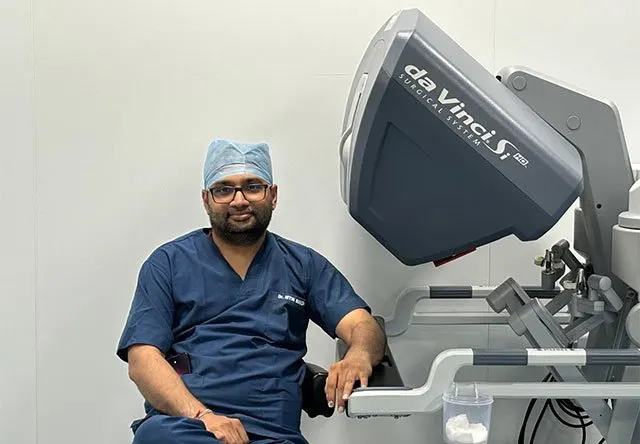
Dr. Nitin Singhal
Dr. Nitin Singhal is a Robotic and HIPEC surgeon based in Ahmedabad, specialising in urologic oncology, including prostate cancer. As a dedicated prostate cancer surgeon, he combines robotic-assisted technique with a patient-first approach, aiming for precise tumour removal and nerve sparing wherever oncologically appropriate, while supporting faster recovery.
What Is Prostate Cancer?
Prostate cancer develops when abnormal cells grow uncontrollably in the prostate gland, a small gland below the bladder that produces seminal fluid. It is one of the most common cancers in men, and many prostate cancers grow slowly, often over years, though some forms are more aggressive and require prompt treatment.
Prostate cancer is frequently detected through routine PSA (prostate-specific antigen) screening before symptoms appear, which is why regular check-ups matter for men in higher-risk age groups. When detected early, prostate tumor surgery performed by an experienced prostate cancer surgeon offers a high chance of successful treatment, and the cancer's grade and stage guide the overall treatment approach.
Symptoms to Watch For
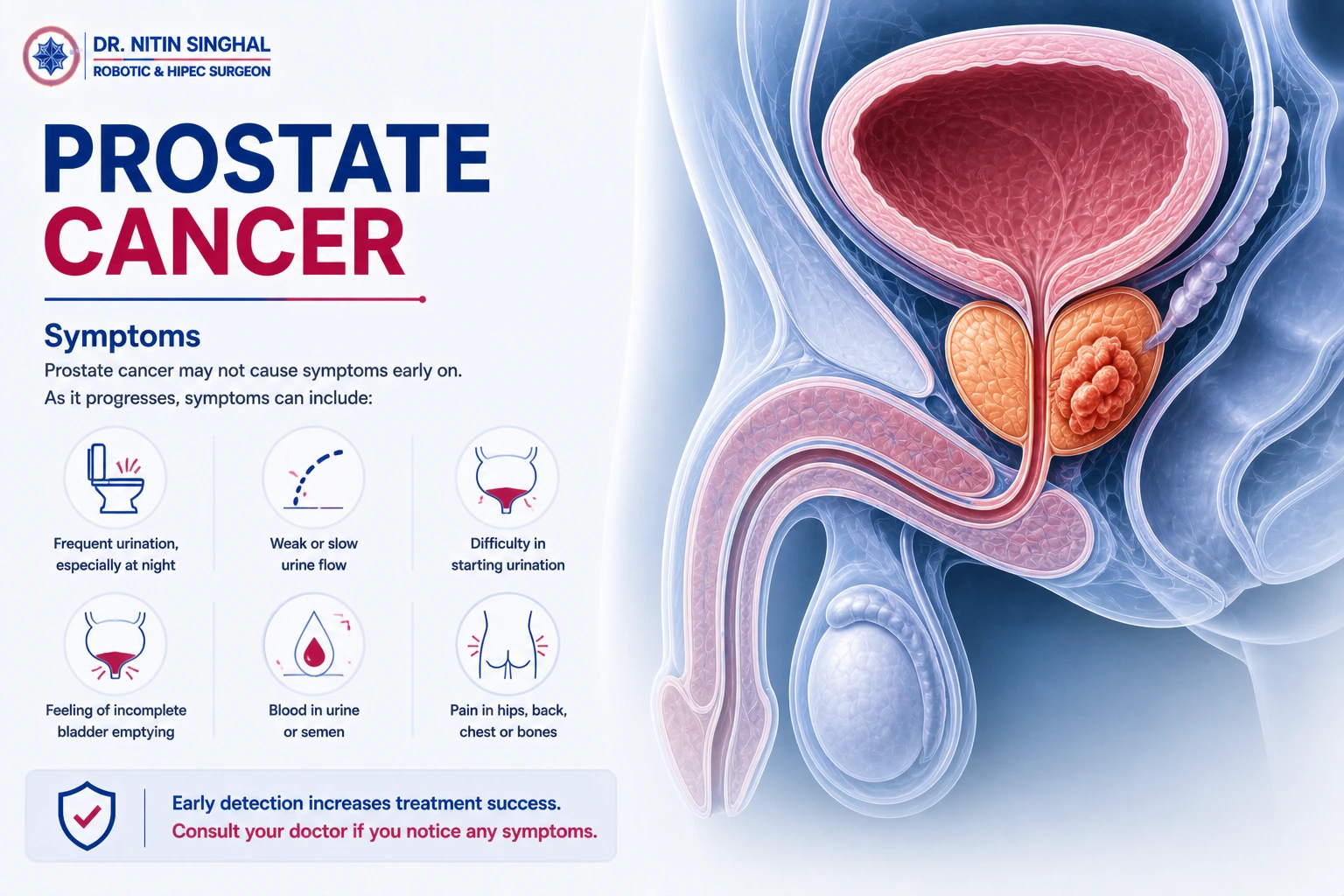
Early prostate cancer often causes no symptoms at all, which is why routine screening matters. Any of the following, especially if persistent, should be evaluated by a doctor promptly.
Frequent or Urgent Urination
A noticeable increase in how often or urgently you need to urinate, including at night.
Weak or Interrupted Urine Flow
Difficulty starting urination, or a urine stream that is weaker than usual.
Blood in Urine or Semen
Any blood in the urine or semen should be evaluated promptly.
Discomfort in the Pelvic Area
Persistent discomfort in the pelvis, lower back or hips.
Erectile Dysfunction
New or worsening difficulty achieving or maintaining an erection.
Unexplained Weight Loss
Losing weight without a change in diet or activity, more common in advanced disease.
What Increases the Risk?
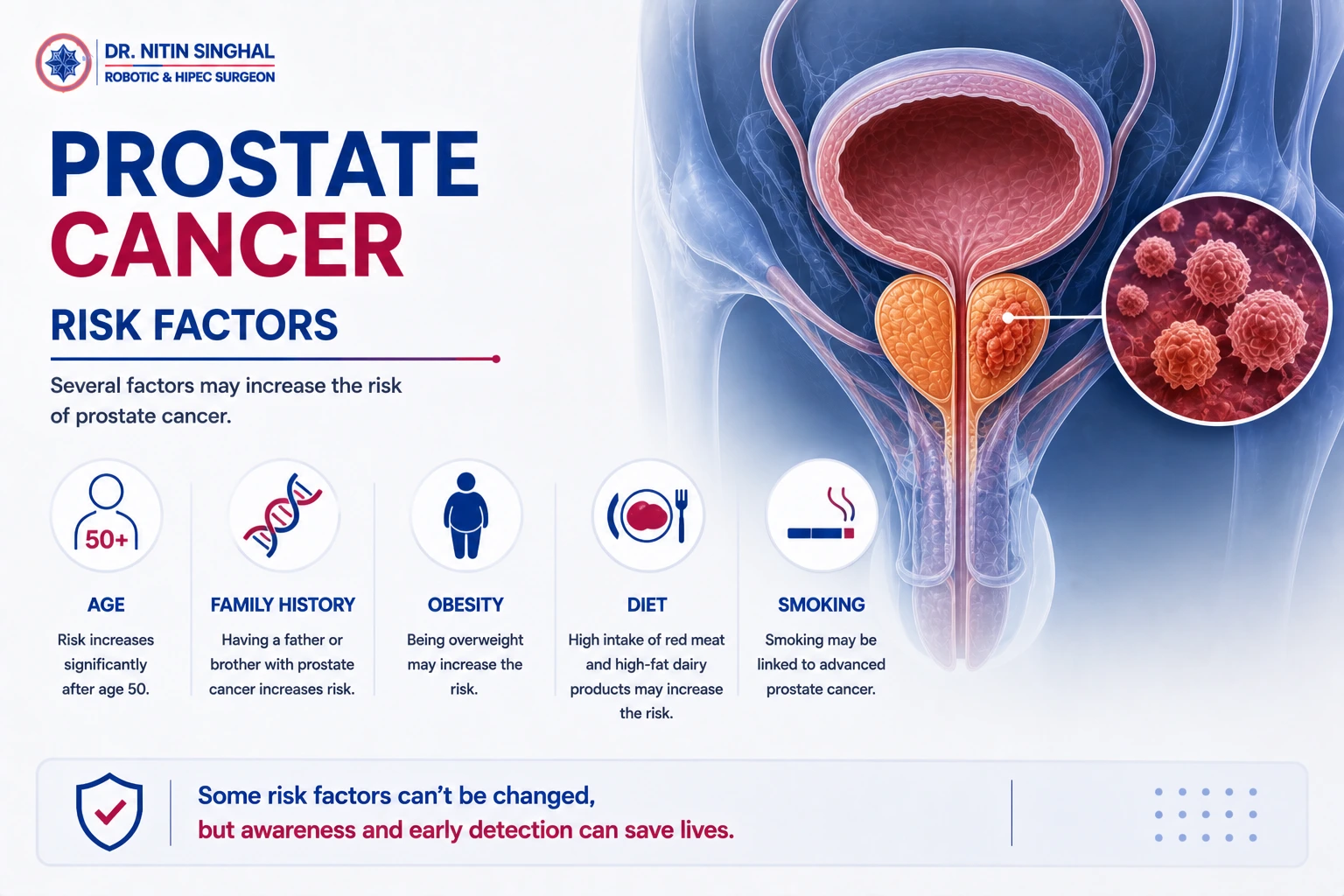
Having one or more risk factors does not mean a person will develop prostate cancer — it simply means awareness of symptoms and regular screening become more important.
Age
Risk rises significantly after age 50, and most cases are diagnosed in older men.
Family History
Having a father or brother with prostate cancer roughly doubles individual risk.
Genetic Mutations
Inherited mutations such as BRCA1 and BRCA2 are linked with higher prostate cancer risk.
Race & Ethnicity
Prostate cancer risk and severity varies by ethnic background, for reasons still being studied.
Diet & Obesity
A diet high in red or processed meat, and obesity, are associated with increased risk.
Not Attending Regular Screening
Skipping routine PSA testing reduces the chance of catching prostate cancer at an early, more treatable stage.
How Is Prostate Cancer Diagnosed?
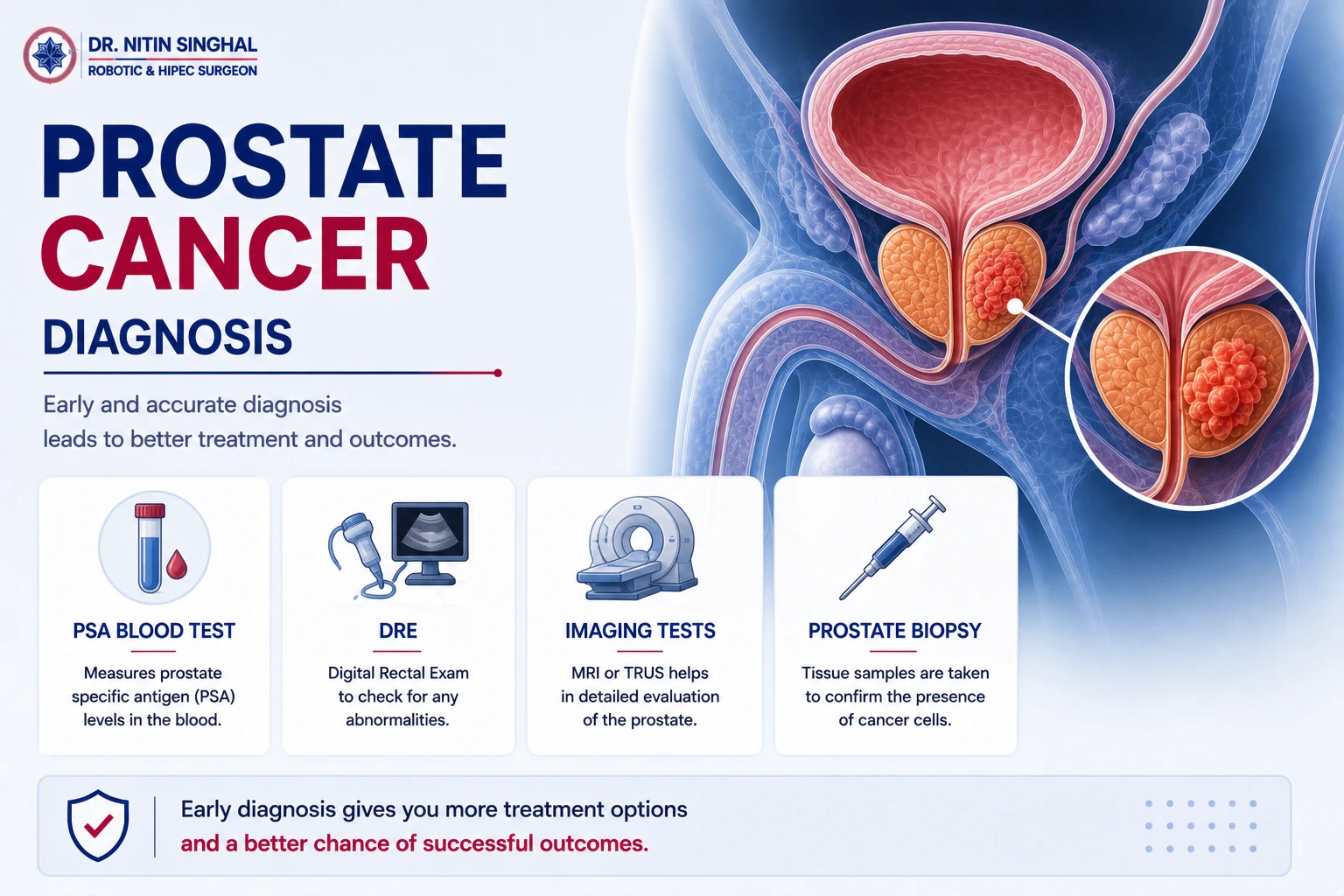
Clinical evaluation — a review of symptoms, family history and a digital rectal examination.
PSA blood test — measures prostate-specific antigen levels, which can be raised in prostate cancer.
MRI of the prostate — detailed imaging to identify suspicious areas within the gland.
Prostate biopsy — a tissue sample taken, often MRI-guided, to confirm the diagnosis and grade.
Gleason score & grading — pathology grading of the biopsy that helps predict how the cancer is likely to behave.
Staging investigations — CT, bone scan or PET-PSMA imaging in select cases, to check for spread beyond the prostate.
How Prostate Cancer Is Treated
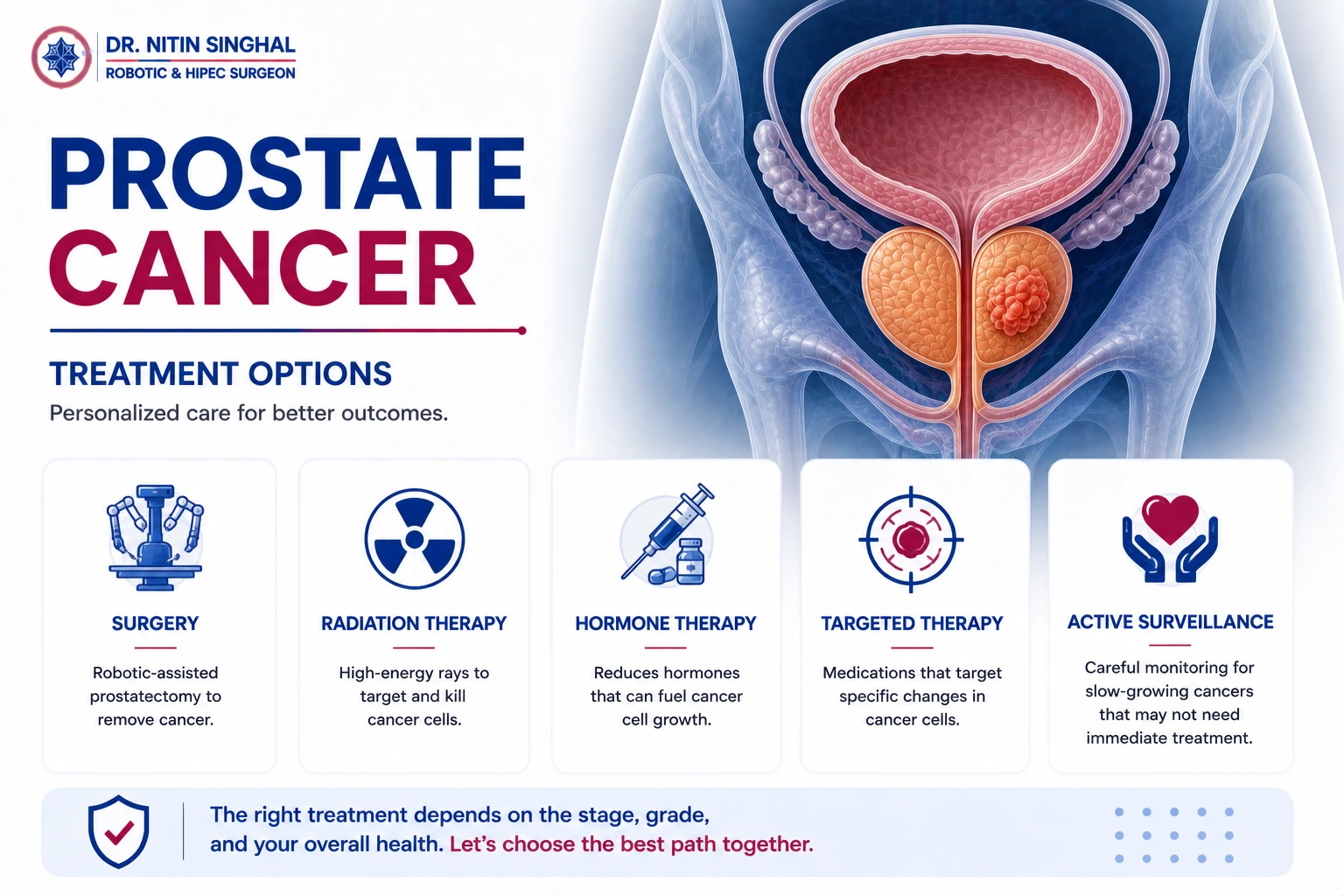
Treatment depends on cancer grade, stage and overall health, and is planned individually by a multidisciplinary team as part of comprehensive prostate cancer treatment in Ahmedabad.
Radical Prostatectomy
Surgical removal of the entire prostate gland, a primary treatment option for localised prostate cancer.
Active Surveillance
Close monitoring without immediate treatment, considered for select very low-risk, slow-growing cancers.
Radiation Therapy
External beam radiation or brachytherapy, used alone or after surgery in select cases.
Hormone Therapy
Reduces testosterone levels to slow cancer growth, often combined with radiation for higher-risk disease.
Chemotherapy & Targeted Therapy
Considered for advanced or hormone-resistant prostate cancer.
Multidisciplinary Follow-Up
Structured PSA monitoring after treatment to check for recurrence.
Why Choose Dr. Nitin Singhal?
Robotic & HIPEC Cancer Surgeon
Focused practice in robotic-assisted and complex cancer surgery, including gynecologic oncology.
Urologic Oncology Specialisation
Experience performing robotic radical prostatectomy and nerve sparing technique for prostate cancer, alongside broader oncology practice.
Training & Qualifications
MBBS, MS (General Surgery), MCh (Surgical Oncology) with training at Tata Memorial Centre, Mumbai.
18+ Years of Experience
Focused specifically in surgical oncology and robotic cancer surgery.
Hospital Affiliations
Operates at established hospitals in Ahmedabad with advanced operation theatres, robotic systems and ICU support.
Multidisciplinary Cancer Care
Coordinated planning with medical oncology, radiation oncology and pathology colleagues as needed.
What Is Robotic Prostate Cancer Surgery (Radical Prostatectomy Robotic)?
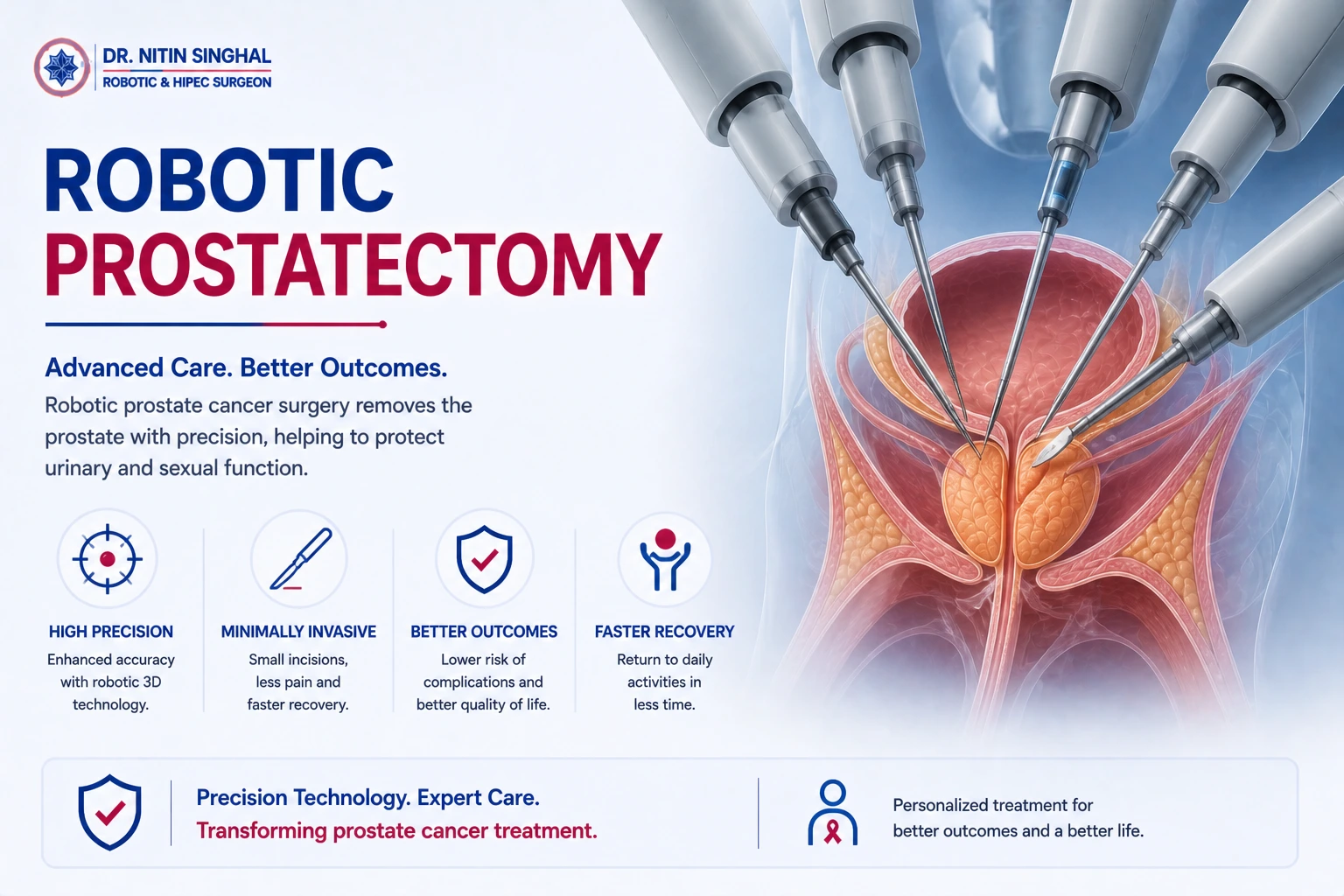
Radical prostatectomy robotic surgery uses a surgical system with wristed instruments and a magnified 3D camera, controlled entirely by the surgeon from a console beside the patient. The robot does not operate independently — every movement is directed by the surgeon in real time.
The procedure is performed through a few small abdominal incisions rather than one large opening. The magnified 3D visualisation supports precise dissection close to the bladder neck, urethra and the delicate nerve bundles running alongside the prostate — which is what makes nerve sparing prostatectomy possible in suitable cases, aiming to preserve erectile function while still completely removing the cancerous prostate tissue. Whether nerve sparing is appropriate depends on tumour location and stage, and is discussed individually with each patient.
Why Robotic Surgery May Be Considered
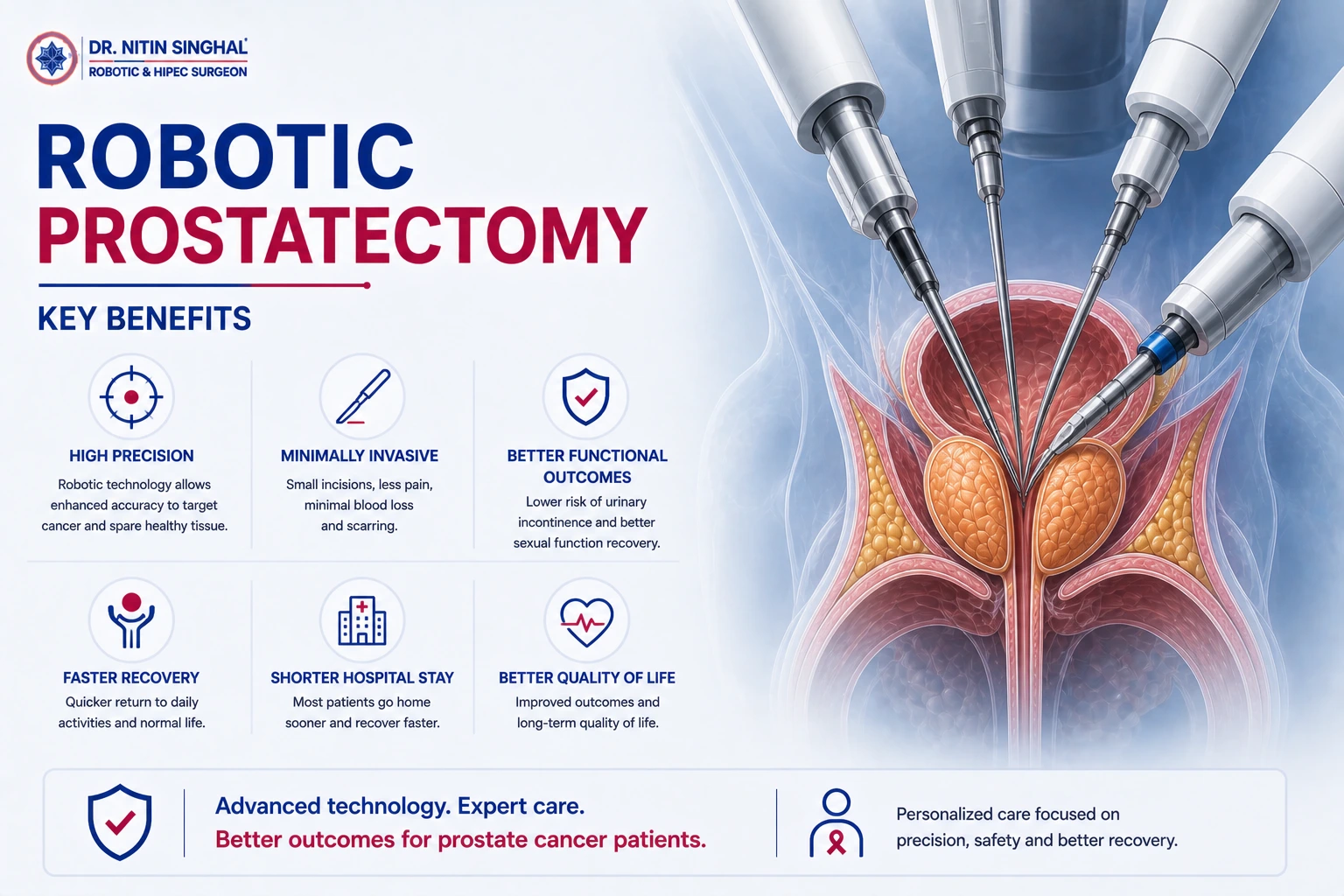
These are potential, patient-specific advantages in suitable cases — not guarantees, as outcomes depend on the individual patient and procedure.
Smaller Incisions
Several small incisions rather than one large opening across the abdomen.
Reduced Blood Loss
In appropriate cases, robotic technique can help limit intraoperative bleeding.
Less Post-Operative Pain
Smaller incisions may be associated with reduced discomfort during recovery.
Shorter Hospital Stay
In suitable patients, hospital stay may be shorter than after open surgery.
Improved Nerve Sparing Precision
Magnified 3D vision can support more precise identification and preservation of nerve bundles where appropriate.
Earlier Return to Activity
Minimally invasive technique may allow a quicker return to daily activities.
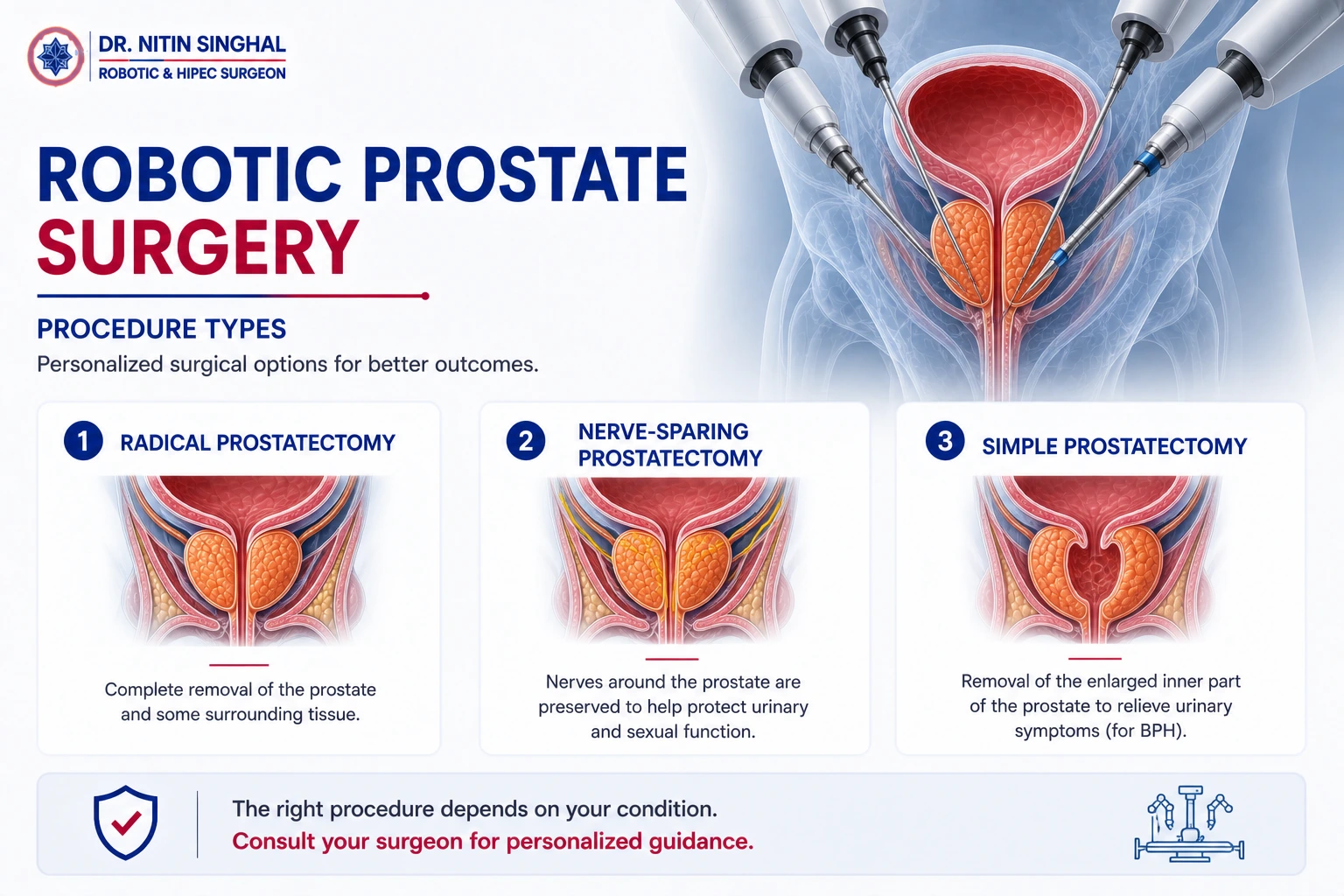
Types of Robotic Prostate Procedures
The specific procedure recommended depends on the cancer's stage, grade and the patient's individual anatomy and goals.
Robotic vs Laparoscopic vs Open Groin Surgery
A general comparison of approach — actual outcomes for any specific patient depend on the procedure and case.
| Feature | Open Surgery | Laparoscopic Surgery | Robotic Surgery |
|---|---|---|---|
| Incisions | Larger, single opening | Smaller | Smaller |
| Visualisation | Direct | Camera-assisted, 2D | Enhanced 3D visualisation |
| Instrument Movement | Conventional, surgeon's hand | Limited range of motion | Wristed, surgeon-controlled robotic instruments |
| Nerve Sparing Precision | More limited visibility of nerve bundles | Improved over open | Enhanced precision near delicate nerve tissue |
| Recovery | Procedure-dependent | Procedure-dependent | Procedure-dependent |
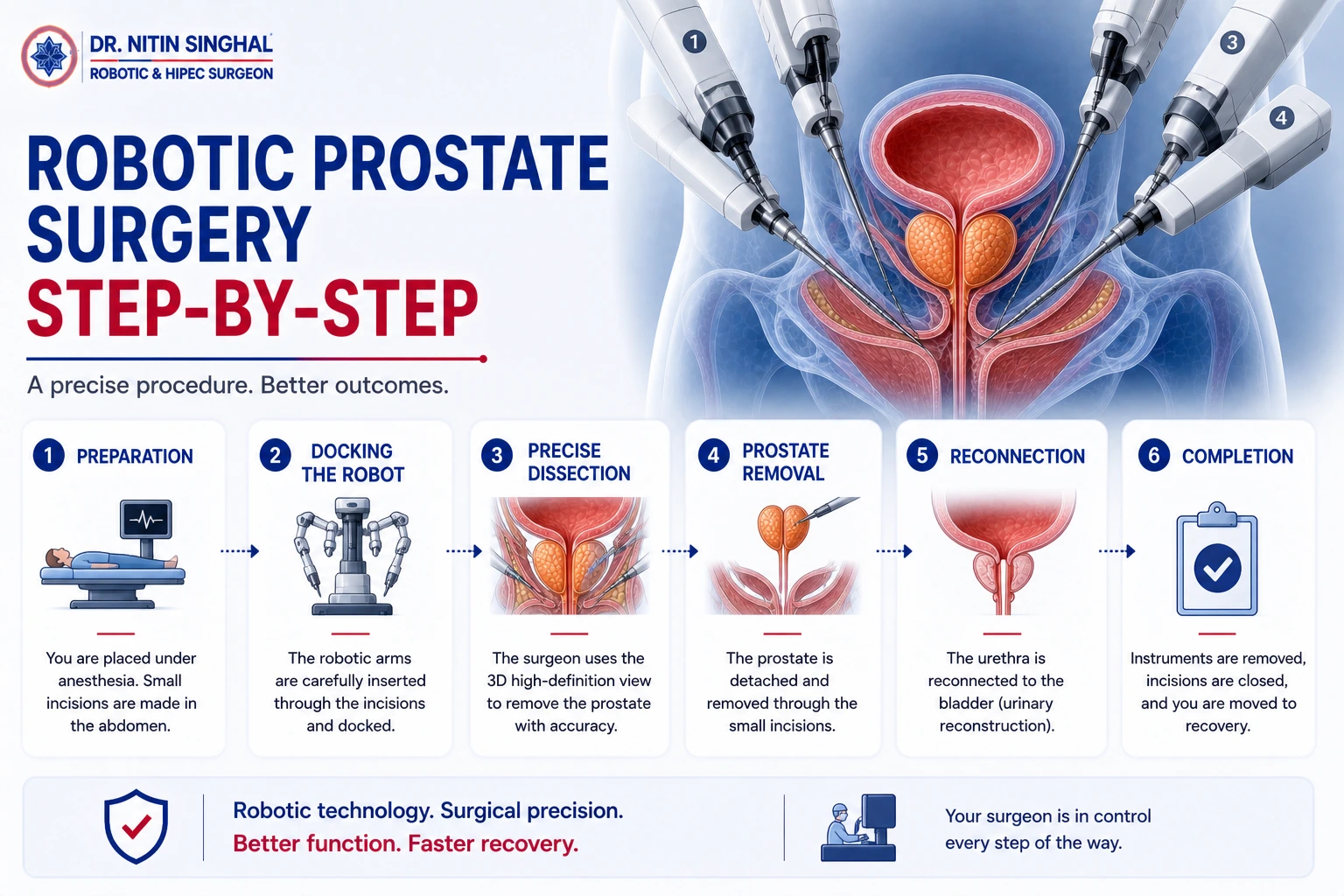
How the Surgery Works, Step by Step
Pre-operative evaluation — final review of PSA levels, imaging, biopsy results and overall fitness for surgery.
Anaesthesia — the patient is placed under general anaesthesia by the anaesthesia team.
Small abdominal incisions — a few small incisions are made to introduce the robotic ports.
Robotic system positioned — the robotic arms are docked and the surgeon operates from the console.
Prostate and surrounding tissue assessed — the prostate, bladder neck and nerve bundles are carefully examined.
Prostatectomy performed — the entire prostate gland is dissected free and removed, with nerve sparing where oncologically appropriate.
Pelvic lymph node dissection — pelvic lymph nodes are removed in select cases, for accurate staging.
Bladder reconnected — the bladder is reconnected directly to the urethra to restore urinary continuity.
Incisions closed — the small incisions are closed, and the patient is moved to recovery.
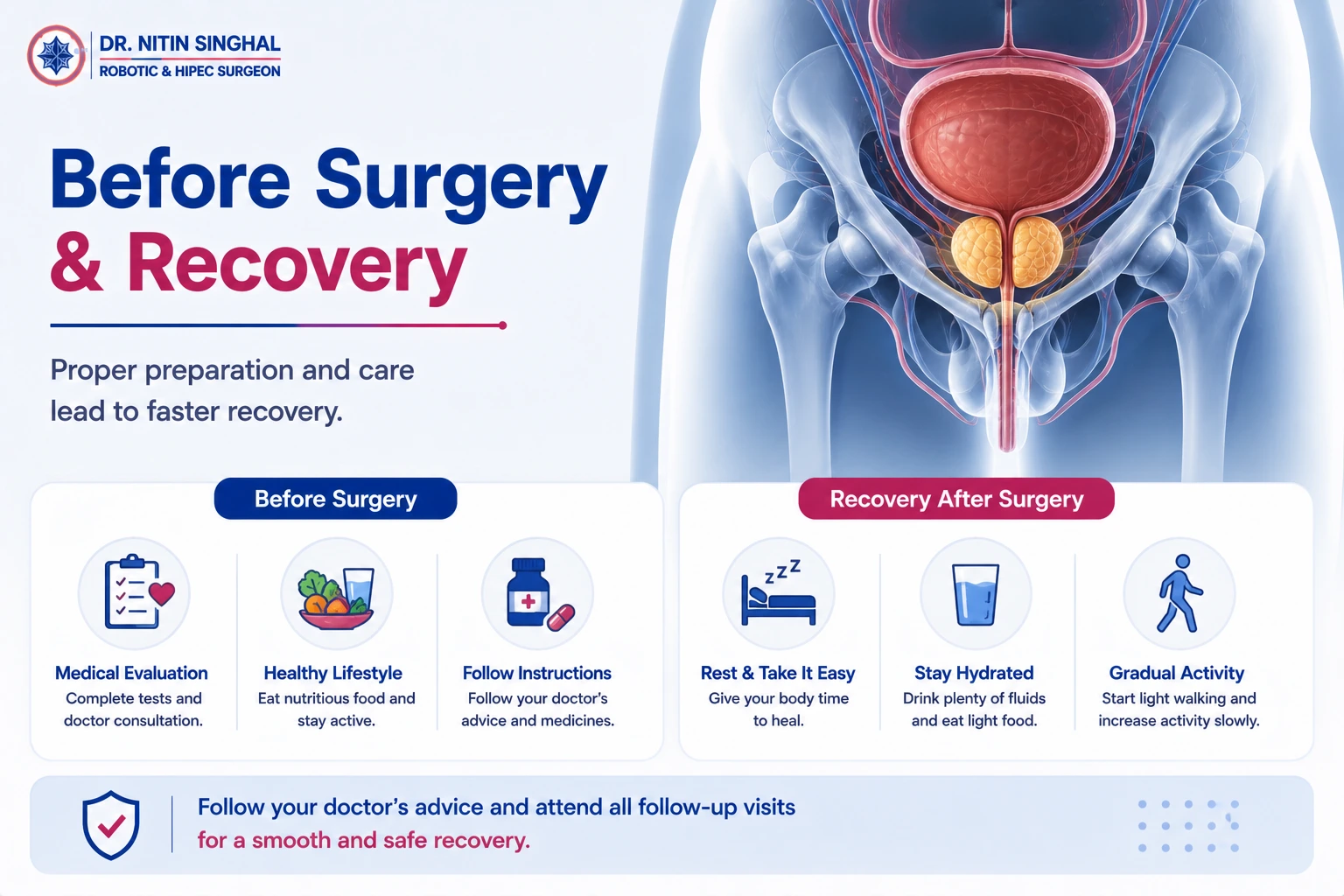
Before Surgery & Recovery Afterwards
Investigations & Review
Final blood tests, imaging review and a medication review before the procedure.
Pelvic Floor Counselling
Guidance on pelvic floor exercises, often started before surgery to support recovery of bladder control.
Anaesthesia Assessment
A pre-anaesthesia check to confirm fitness for the procedure.
Hospital Stay & Catheter Care
A short hospital stay, typically with a urinary catheter in place for one to two weeks after surgery.
Pelvic Floor Exercises
Structured pelvic floor exercises to support the gradual return of bladder control.
Long-Term Follow-Up
Scheduled PSA monitoring and follow-up visits to check for recurrence.
Risks & Possible Complications
As with any major surgery, prostate cancer surgery carries risks. These should be discussed in detail with your surgical team before deciding on treatment.
Bleeding
As with any surgery, there is a risk of bleeding during or after the procedure.
Infection
Wound or urinary tract infection is a possible complication of any major abdominal surgery.
Urinary Incontinence
Temporary urinary leakage is common initially, with most patients regaining good bladder control over weeks to months.
Erectile Dysfunction
Changes in erectile function can occur, particularly if nerve sparing is not possible due to tumour location.
Blood Clots
A risk with any major surgery, managed with preventive measures where appropriate.
Recurrence
Prostate cancer can recur after surgery, which is why regular PSA monitoring continues afterward.
Myths vs Facts
Patient Reviews & Videos
Verified Google reviews and patient-friendly video explainers, from Dr. Nitin Singhal's robotic & HIPEC cancer surgery practice in Ahmedabad.
Common Questions
What is robotic prostate cancer surgery?
What is nerve sparing prostatectomy?
Who is a prostate cancer surgeon and what do they treat?
Is robotic surgery suitable for every prostate cancer patient?
What is the recovery time after robotic prostatectomy?
Where can I find the best robotic prostate cancer surgery hospital in Ahmedabad?
Will I have urinary incontinence after prostate surgery?
Will I need further treatment after prostate cancer surgery?
What are the risks of robotic radical prostatectomy?
How do I know if I am a candidate for robotic prostate cancer surgery?
Considering Robotic Prostate Cancer Surgery?
Get an expert evaluation to understand your diagnosis, treatment options, and whether nerve sparing prostatectomy may be appropriate for you.