
Robotic Kidney Cancer Surgery in Ahmedabad
Dr. Nitin Singhal offers robotic-assisted surgery for kidney cancer in Ahmedabad, bringing 18+ years of experience to precise, minimally invasive partial and radical nephrectomy.
Dr. Nitin Singhal
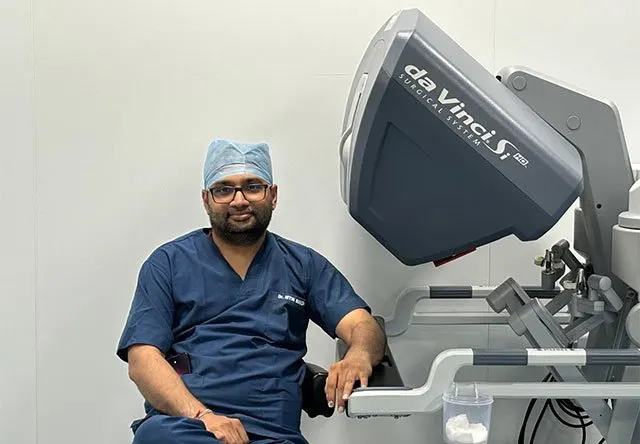
Dr. Nitin Singhal is a Robotic and HIPEC surgeon based in Ahmedabad, specialising in urologic oncology, including kidney cancer. He combines robotic-assisted technique with a patient-first approach, aiming to remove cancer completely while preserving kidney function wherever possible.
What Is Kidney Cancer?
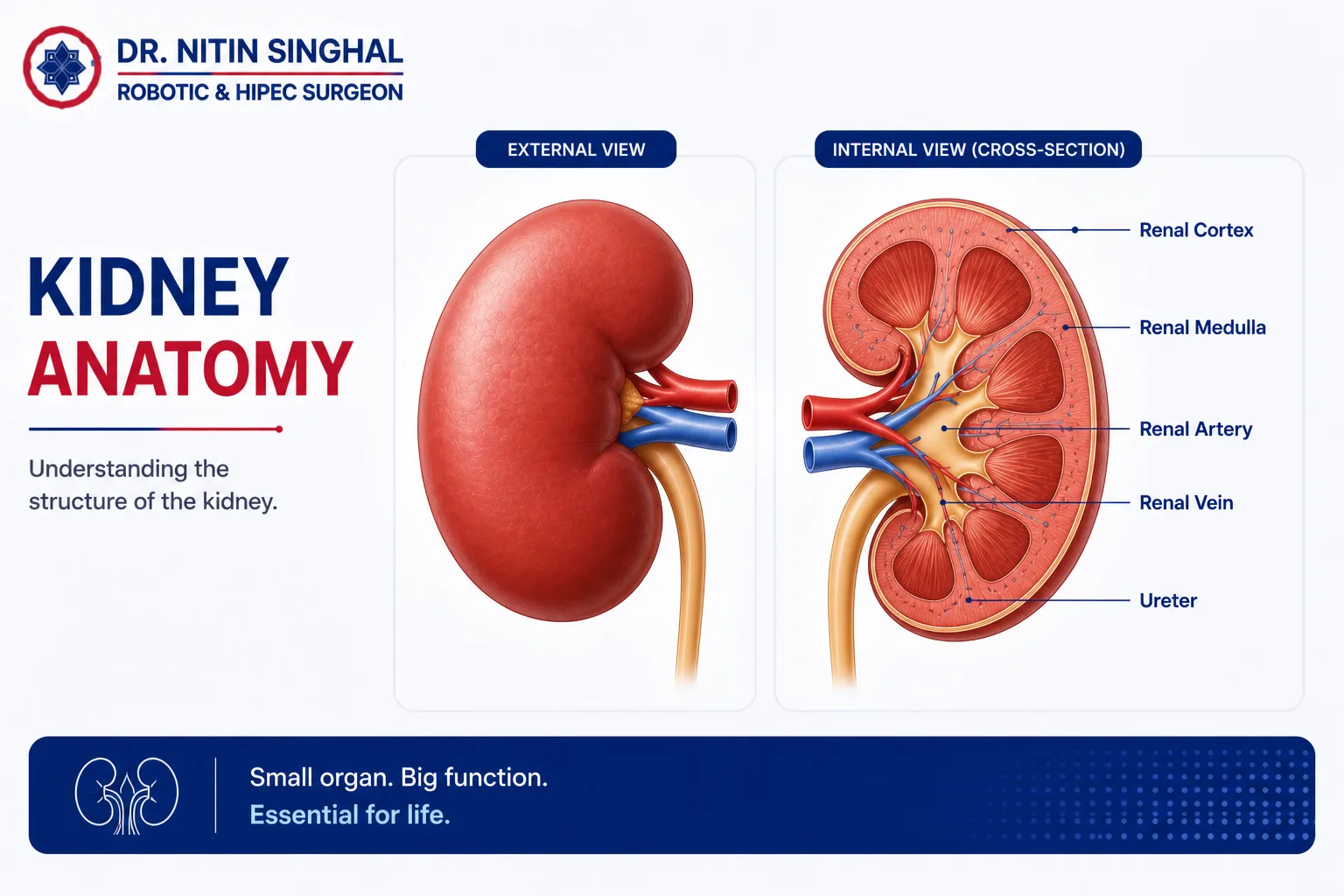
Kidney cancer develops when cells within the kidney — the bean-shaped organs that filter waste and excess fluid from the blood — grow uncontrollably, most commonly starting as renal cell carcinoma. Many kidney tumours today are found incidentally, during imaging done for an unrelated reason, before they cause any symptoms at all.
Kidney cancer can occur in one or both kidneys, and treatment planning depends heavily on the tumour's size, location within the kidney, and whether the other kidney is healthy — since preserving kidney function is a central consideration whenever it's safely possible.
Symptoms to Watch For
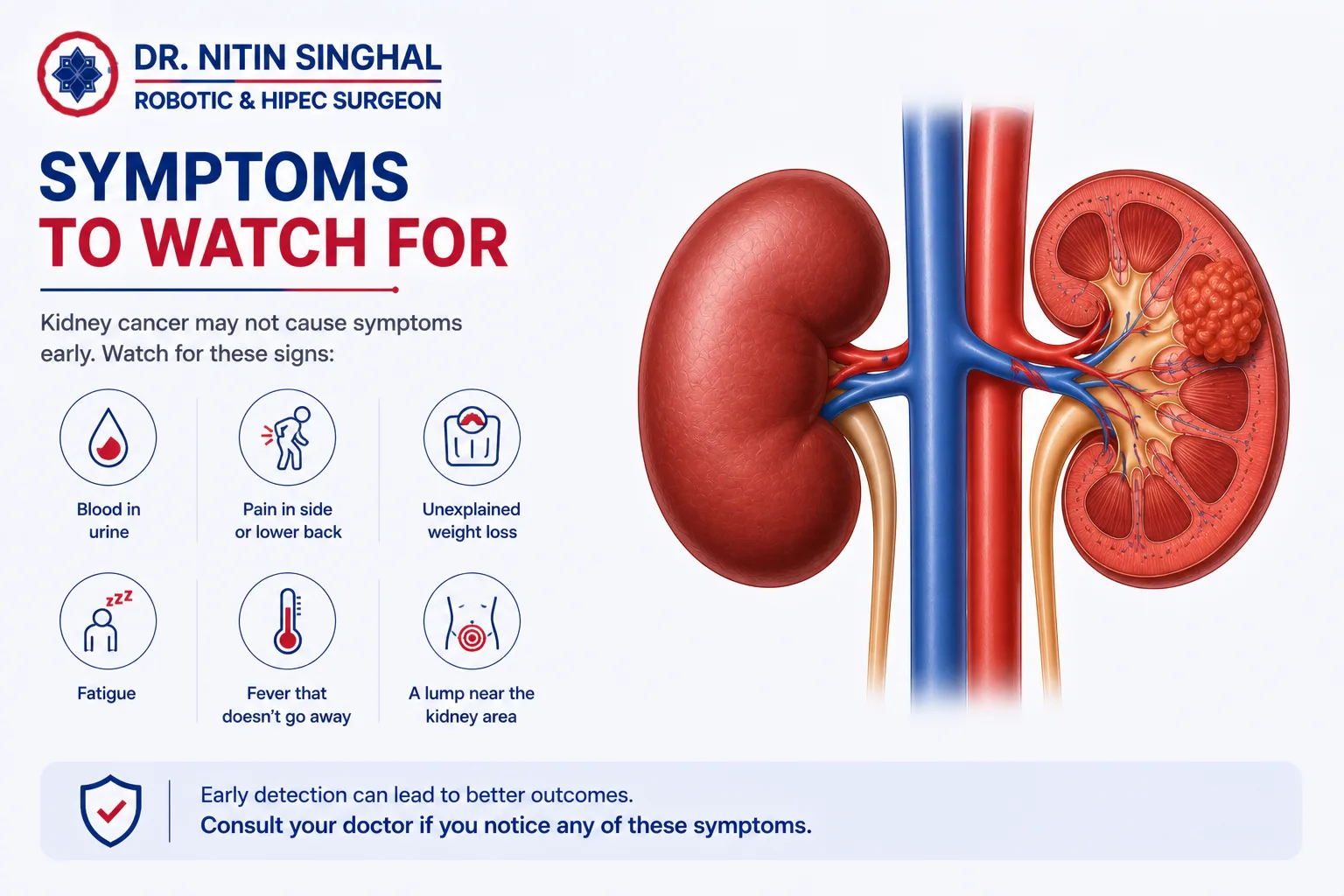
Early kidney cancer often causes no symptoms at all. Any of the following, especially if persistent, should be evaluated by a doctor.
Blood in the Urine
Visible or microscopic blood in the urine (haematuria), often painless.
Flank or Back Pain
A dull ache or pain in the side or lower back that doesn't go away.
A Palpable Mass
A lump or mass that can be felt in the side or abdomen.
Unexplained Weight Loss
Losing weight without a change in diet or activity level.
Fatigue
Persistent tiredness that doesn't improve with rest.
Persistent Fever
Fever not caused by an infection, sometimes accompanied by night sweats.
What Increases the Risk?
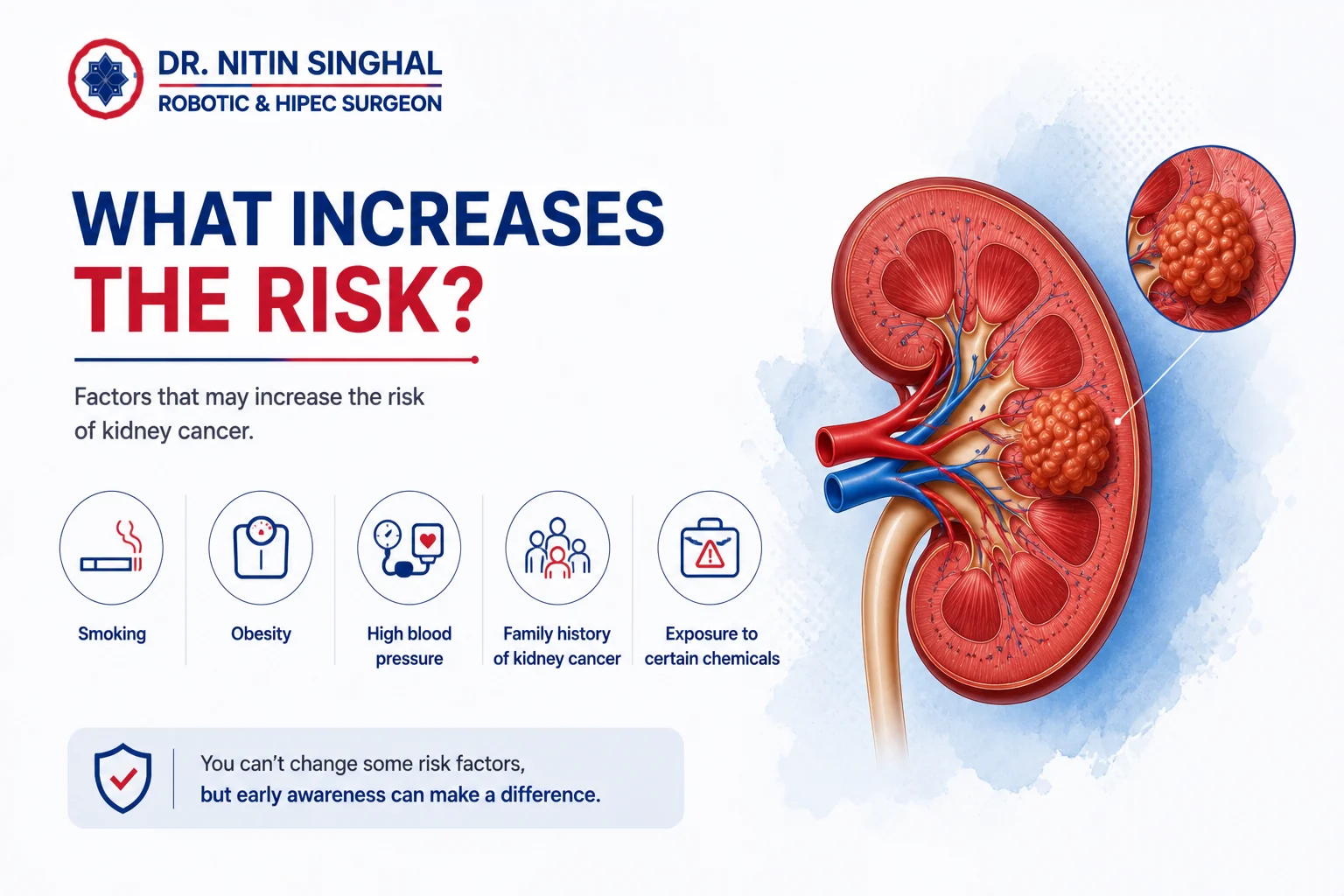
Having one or more risk factors does not mean a person will develop kidney cancer — it simply means screening and awareness of symptoms become more important.
Smoking
One of the most significant modifiable risk factors for kidney cancer.
Obesity & High Blood Pressure
Both are independently associated with a higher risk of kidney cancer.
Family History
A close relative with kidney cancer, or certain inherited genetic syndromes such as von Hippel-Lindau disease.
Long-Term Dialysis
Patients on long-term dialysis for kidney failure have an increased risk.
Chemical Exposure
Long-term occupational exposure to certain industrial chemicals.
Age & Sex
Risk rises with age and is more common in men than women.
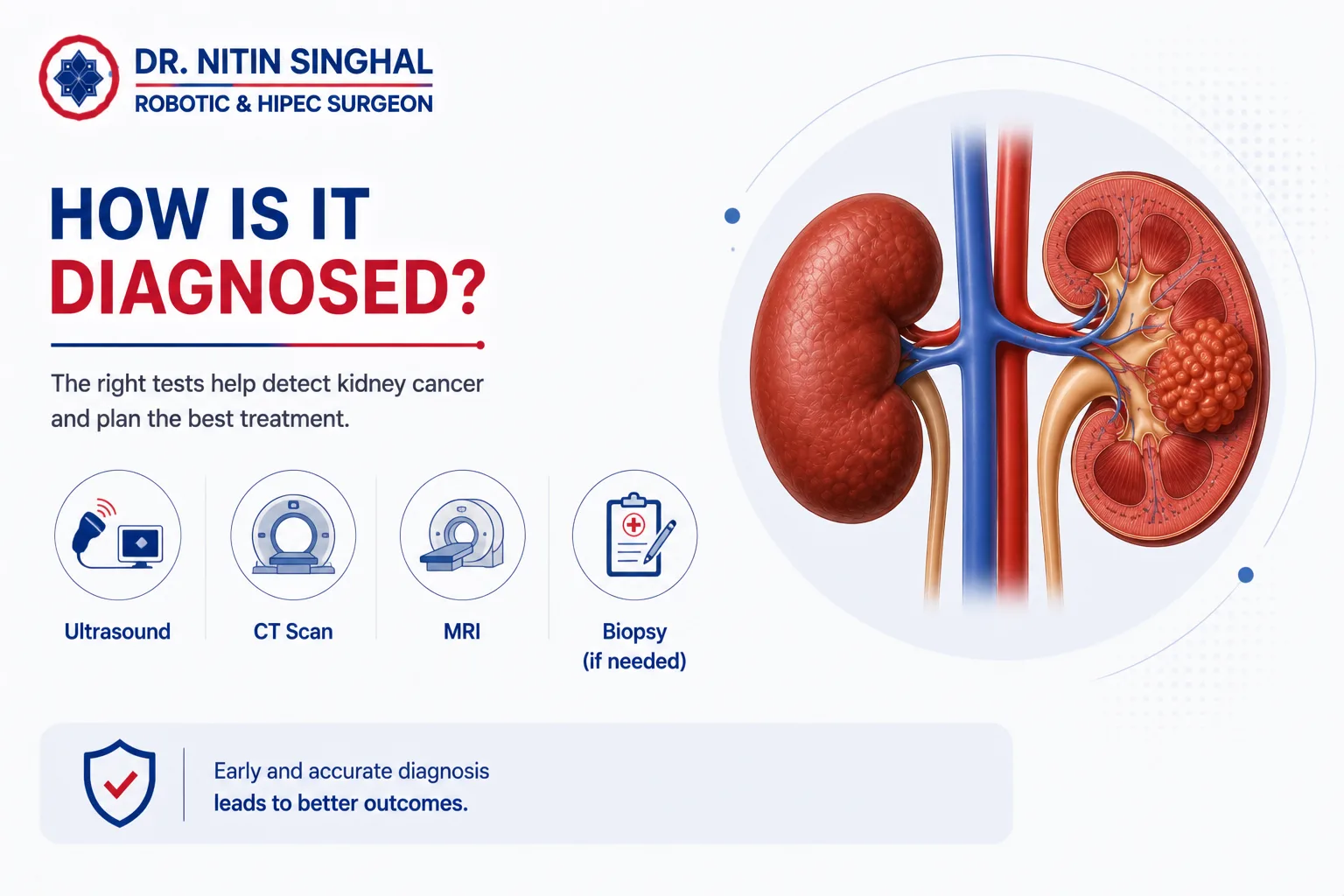
How Is Kidney Cancer Diagnosed?
Clinical evaluation — a review of symptoms, medical history and a physical examination.
Urine tests — urinalysis to check for blood or other abnormalities.
Imaging — ultrasound, CT or MRI scan, usually the main way a kidney mass is identified and characterised.
Blood tests — to assess overall kidney function and general health before treatment.
Biopsy — a tissue sample taken in select cases where the diagnosis is uncertain from imaging alone.
Staging — combining the above findings to determine tumour size, spread and the most appropriate treatment plan.
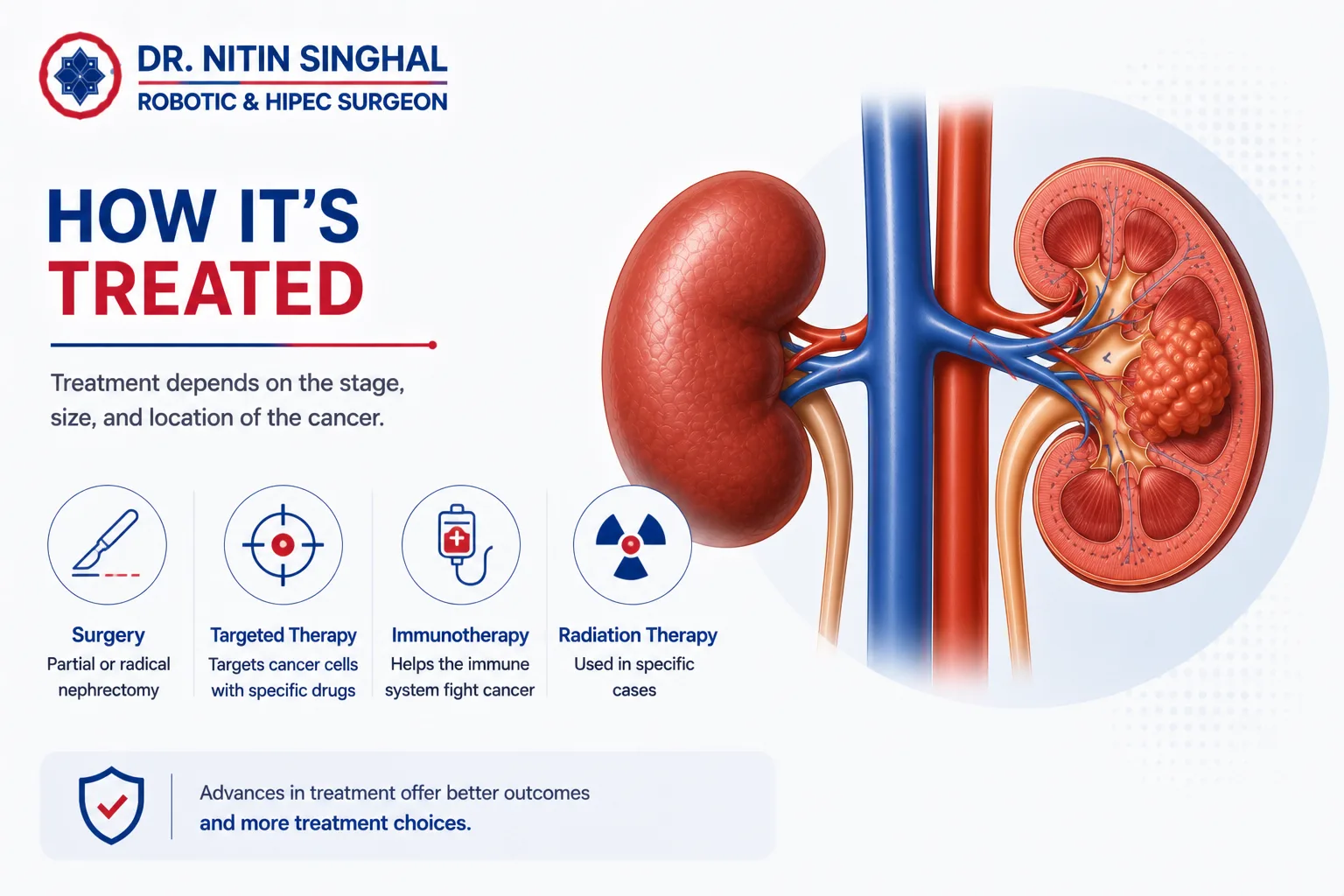
How Kidney Cancer Is Treated
Treatment is planned individually and often combines more than one approach, decided by a multidisciplinary team.
Surgery
Partial or radical nephrectomy to remove the cancer, often the primary treatment for localised disease.
Active Surveillance
Close monitoring without immediate treatment, considered for select small, low-risk tumours.
Targeted Therapy
Medications that target specific pathways involved in kidney cancer growth, used for advanced disease.
Immunotherapy
Treatments that help the immune system recognise and fight cancer cells, considered for selected patients.
Ablation Therapy
Freezing or heat-based techniques to destroy small tumours, considered in select cases.
Follow-Up Surveillance
Structured monitoring after treatment to check for recurrence and track kidney function.
Why Choose Dr. Nitin Singhal?
Robotic & HIPEC Cancer Surgeon
Focused practice in robotic-assisted and complex cancer surgery, including urologic oncology.
Urologic Cancer Specialisation
Regular experience with kidney, urinary bladder, prostate and other urologic cancers.
Training & Qualifications
MBBS, MS (General Surgery), MCh (Surgical Oncology) with training at Tata Memorial Centre Mumbai.
18+ Years of Experience
Focused specifically in surgical oncology and robotic cancer surgery.
Hospital Affiliations
Operates at established hospitals in Ahmedabad with the infrastructure major cancer surgery requires.
Multidisciplinary Cancer Care
Coordinated planning with medical oncology, radiation oncology and pathology colleagues as needed.

What Is Robotic Kidney Cancer Surgery?
Robotic-assisted surgery uses a surgical system with wristed instruments and a magnified 3D camera, controlled entirely by the surgeon from a console beside the patient. The robot does not operate independently — every movement is directed by the surgeon in real time.
The procedure is performed through a few small abdominal incisions rather than one large opening. The camera provides enhanced, magnified visualisation of the surgical area, which can support precise dissection around the kidney's delicate blood vessels — particularly important in partial nephrectomy, where the goal is to remove the tumour while preserving as much healthy kidney tissue as possible. This differs from conventional open surgery, which uses a single larger incision and direct visualisation by the surgeon.
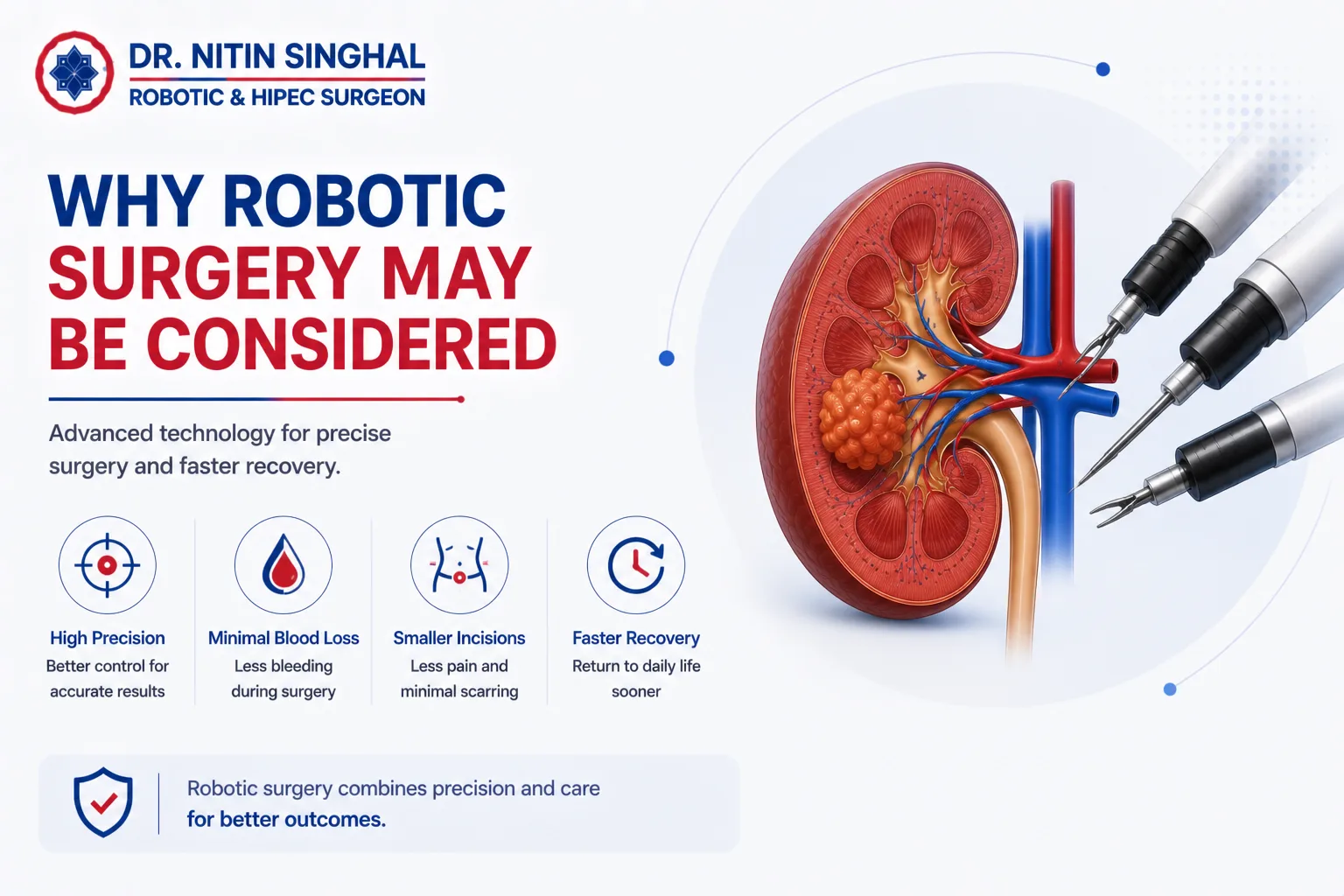
Why Robotic Surgery May Be Considered
These are potential, patient-specific advantages in suitable cases — not guarantees, as outcomes depend on the individual patient and procedure.
Smaller Incisions
Several small incisions rather than one large opening, in suitable cases.
Less Post-Operative Pain
Smaller incisions may be associated with reduced discomfort during recovery.
Reduced Blood Loss
In appropriate cases, robotic technique can help limit intraoperative bleeding.
Earlier Mobilisation
Some patients are able to move around sooner after minimally invasive surgery.
Shorter Hospital Stay
In suitable patients, hospital stay may be shorter than after open surgery.
Kidney-Sparing Precision
Magnified 3D vision can help preserve more healthy kidney tissue during partial nephrectomy.
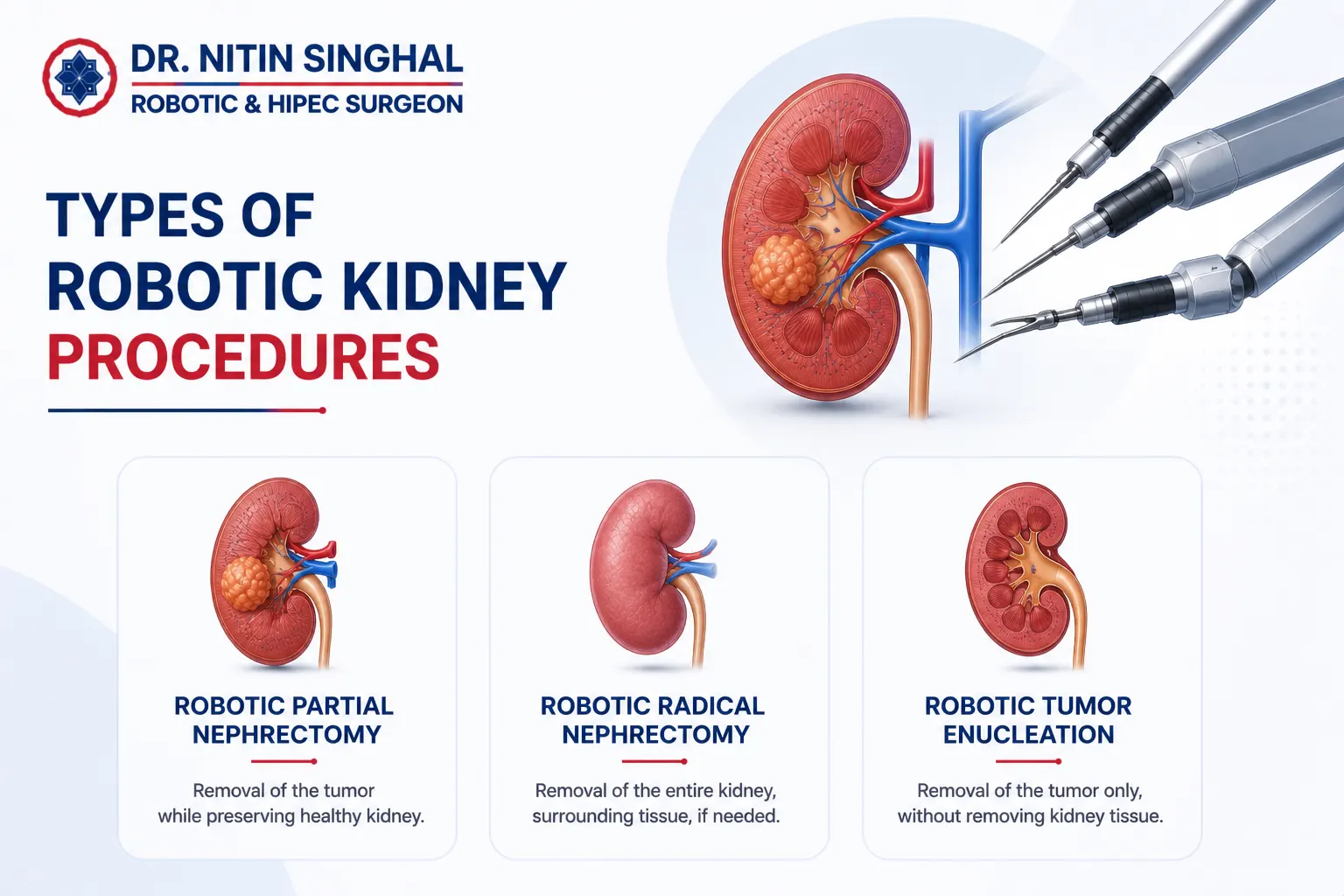
Types of Robotic Kidney Procedures
The specific procedure recommended depends on the tumour's size, location and stage.
Robotic vs Laparoscopic vs Open Surgery
A general comparison of approach — actual outcomes for any specific patient depend on the procedure and case.
| Feature | Open Surgery | Laparoscopic Surgery | Robotic Surgery |
|---|---|---|---|
| Incisions | Larger | Smaller | Smaller |
| Visualisation | Direct | Camera-assisted, 2D | Enhanced 3D visualisation |
| Instrument Movement | Conventional, surgeon's hand | Limited range of motion | Wristed, surgeon-controlled robotic instruments |
| Recovery | Procedure-dependent | Procedure-dependent | Procedure-dependent |
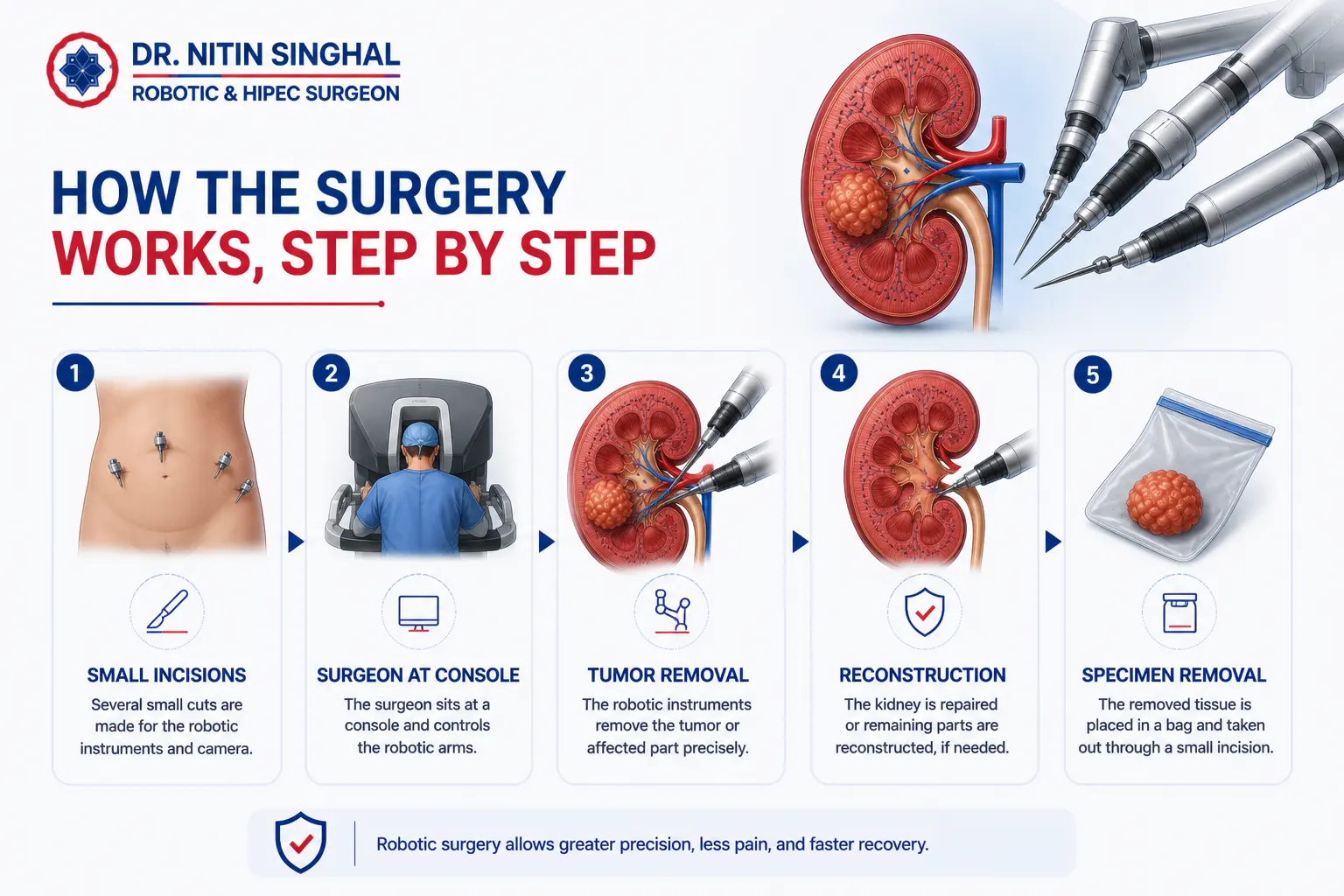
How the Surgery Works, Step by Step
Pre-operative evaluation — final review of imaging, staging and overall fitness for surgery.
Anaesthesia — the patient is placed under general anaesthesia by the anaesthesia team.
Small abdominal incisions — a few small incisions are made to introduce the robotic ports.
Robotic system positioned — the robotic arms are docked and the surgeon operates from the console.
Kidney and tumour identified — the tumour and surrounding blood vessels are carefully located and assessed.
Tumour or kidney removed — depending on the procedure, either the tumour alone (partial) or the whole kidney (radical) is dissected free and removed.
Reconstruction, where needed — for a partial nephrectomy, the remaining kidney tissue is carefully repaired.
Lymph node assessment — nearby lymph nodes are checked and removed where appropriate.
Incisions closed — the small incisions are closed, and the patient is moved to recovery.
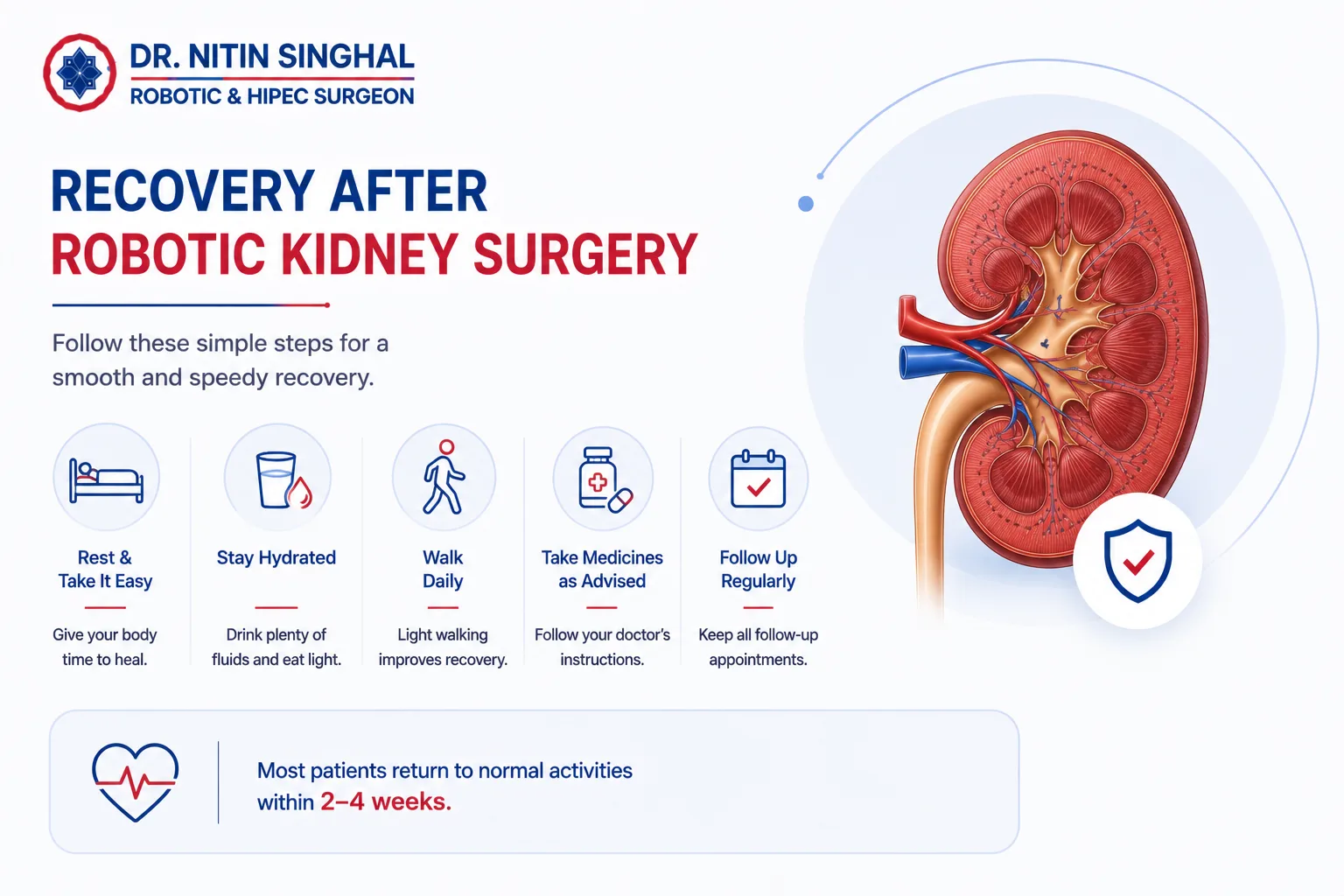
Before Surgery & Recovery Afterwards
Investigations & Review
Final blood tests, imaging review and a medication review before the procedure.
Kidney Function Assessment
Review of overall kidney function, especially important when planning a partial nephrectomy.
Anaesthesia Assessment
A pre-anaesthesia check to confirm fitness for the procedure.
Hospital Stay & Pain Management
Structured post-operative care with pain managed through the recovery period.
Gradual Return to Activity
A phased return to normal activity, guided by your care team.
Long-Term Kidney Monitoring
Regular follow-up blood tests and imaging to monitor kidney function and check for recurrence.
Risks & Possible Complications
As with any major surgery, kidney cancer surgery carries risks. These should be discussed in detail with your surgical team before deciding on treatment.
Bleeding
As with any surgery, there is a risk of bleeding during or after the procedure.
Infection
Wound or internal infection is a possible complication of any abdominal surgery.
Urine Leak
A leak at the site of kidney repair, particularly after a partial nephrectomy.
Reduced Kidney Function
A possible decrease in overall kidney function, particularly relevant if the other kidney is already compromised.
Blood Clots
A risk with any major surgery, managed with preventive measures where appropriate.
Injury to Nearby Organs
A small risk of injury to nearby structures, given the kidney's proximity to other organs and blood vessels.
Myths vs Facts
Patient Reviews & Videos
Verified Google reviews and patient-friendly video explainers, from Dr. Nitin Singhal's practice in Ahmedabad.
Kidney Cancer Surgery — Common Questions
What is robotic kidney cancer surgery?
What is the difference between partial and radical nephrectomy?
Can you live a normal life with one kidney?
Is robotic surgery suitable for every kidney cancer patient?
What is the recovery time after robotic kidney surgery?
Is every kidney tumour cancerous?
Will I need additional treatment after kidney surgery?
What are the risks of robotic kidney cancer surgery?
How do I know whether I am a candidate?
Found a Kidney Mass or Concerned About Kidney Cancer?
Get an expert evaluation to understand your diagnosis, treatment options, and whether robotic surgery may be appropriate for you.