
Robotic Colon & Rectum Cancer Surgery in Ahmedabad
Dr. Nitin Singhal offers robotic-assisted surgery for colon and rectum cancer in Ahmedabad, bringing 22+ years of overall experience, including 15+ years in surgical oncology, to precise, minimally invasive tumour removal.
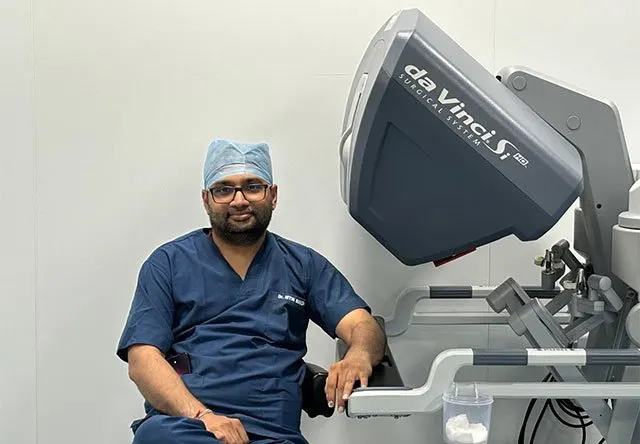
Dr. Nitin Singhal
Dr. Nitin Singhal is a Robotic and HIPEC surgeon based in Ahmedabad, specialising in gastrointestinal oncology, including colon and rectum cancer. He combines robotic-assisted technique with a patient-first approach, aiming for precise cancer removal alongside faster recovery wherever suitable.
What Is Colon & Rectum Cancer?
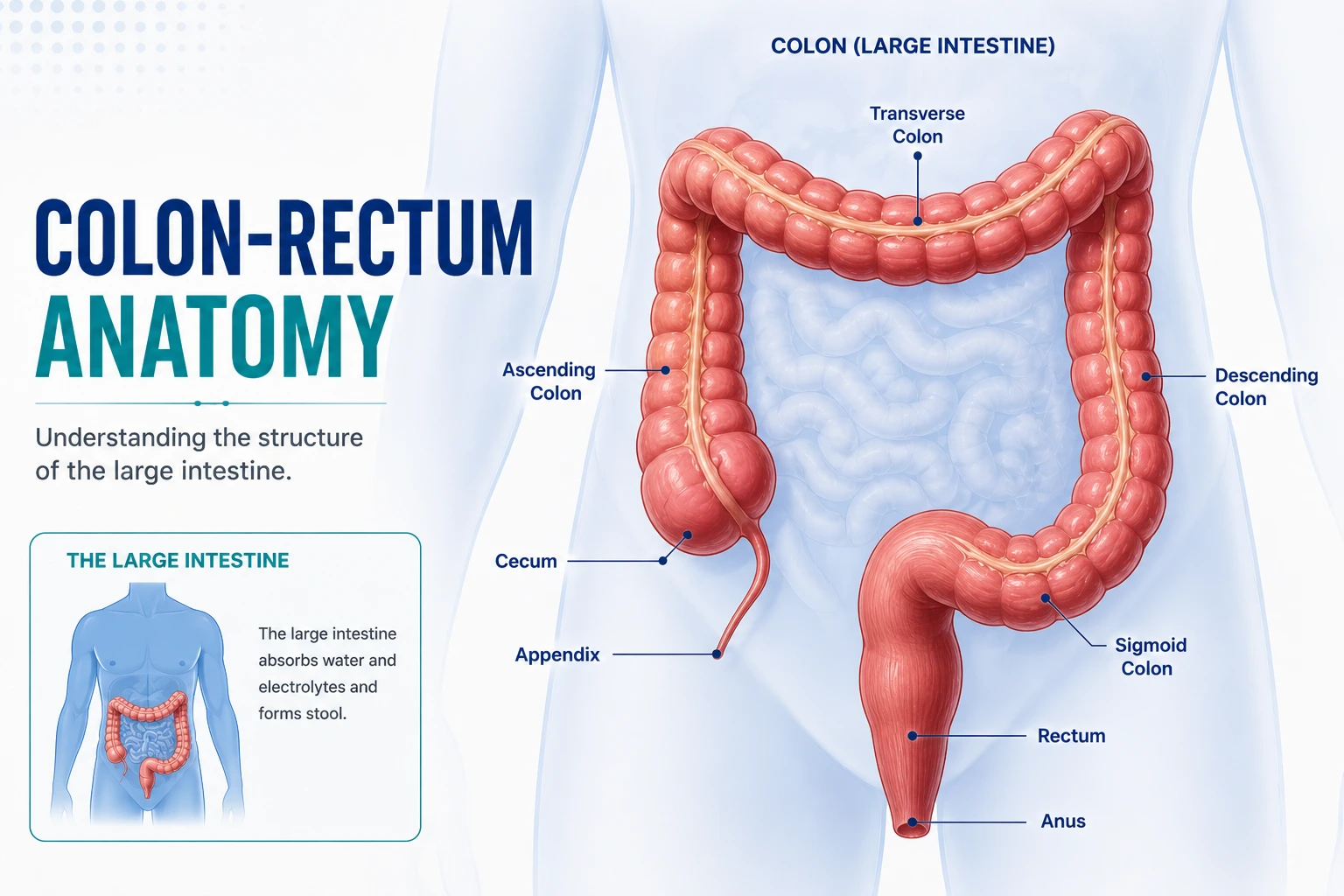
Colon cancer develops in the colon — the longest part of the large intestine — while rectum cancer develops in the rectum, the final few inches of the large bowel just before the anus. Together they are often referred to as colorectal cancer, since they share overlapping causes, screening approaches and, in many cases, surgical technique.
The key clinical difference is location: rectum cancer sits deep within the pelvis, close to other pelvic organs and the sphincter muscles that control bowel continence, which can make surgical planning more complex than for colon cancer higher up in the abdomen. This is one reason treatment plans for the two are not always identical, even though both are frequently grouped together.
Symptoms to Watch For
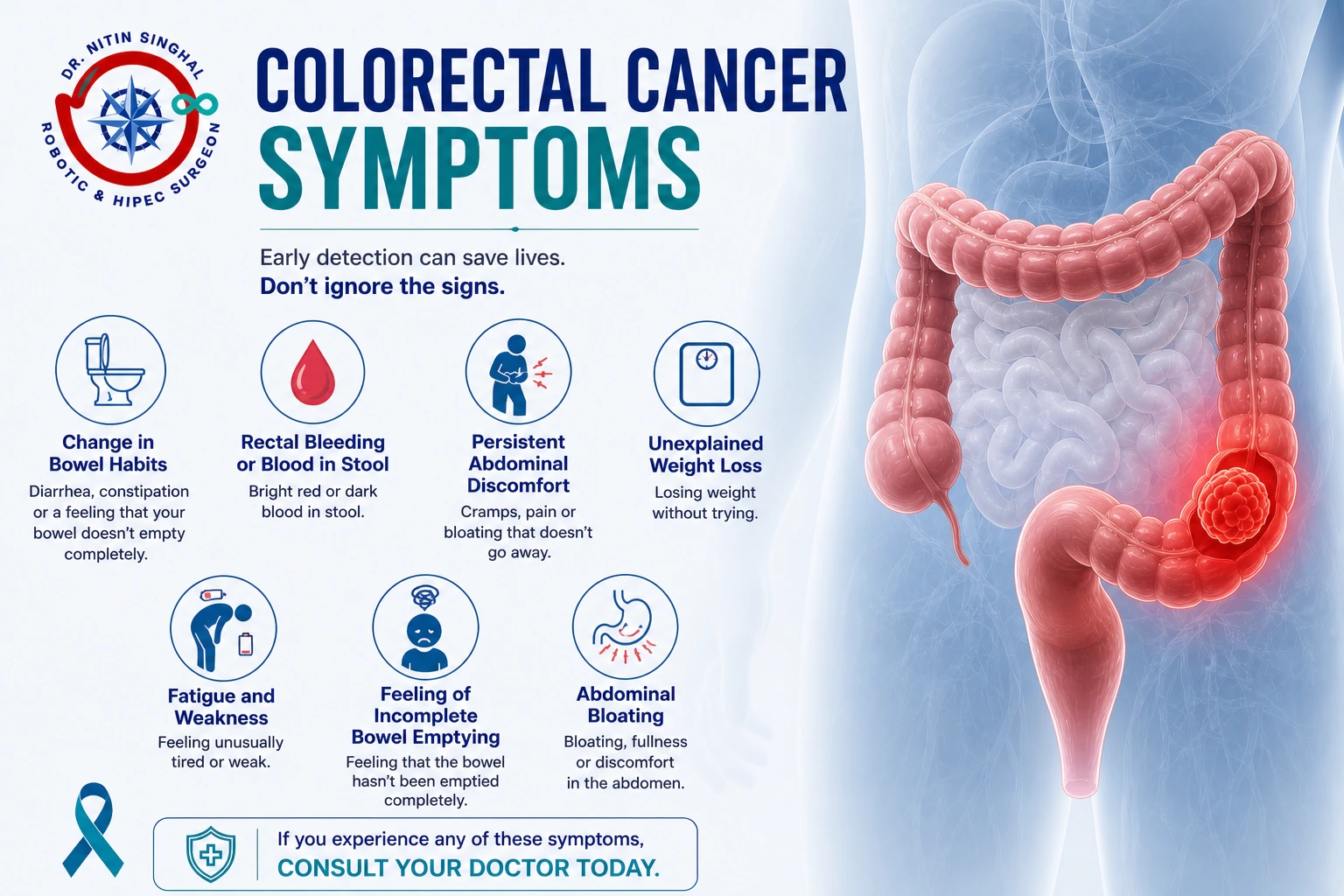
Symptoms can be subtle in the early stages. Any of the following, especially if persistent, should be evaluated by a doctor.
Change in Bowel Habits
Diarrhoea, constipation, or a change in stool consistency lasting more than a few weeks.
Blood in Stool
Visible blood, or stool that appears dark or tarry, should always be checked promptly.
Abdominal Discomfort
Persistent cramping, gas, or pain that does not resolve on its own.
Unexplained Weight Loss
Losing weight without a change in diet or activity level.
Fatigue
Persistent tiredness, sometimes related to iron-deficiency anaemia from chronic blood loss.
A Feeling of Incomplete Emptying
A sense that the bowel has not fully emptied after a motion, particularly with rectum cancer.
What Increases the Risk?
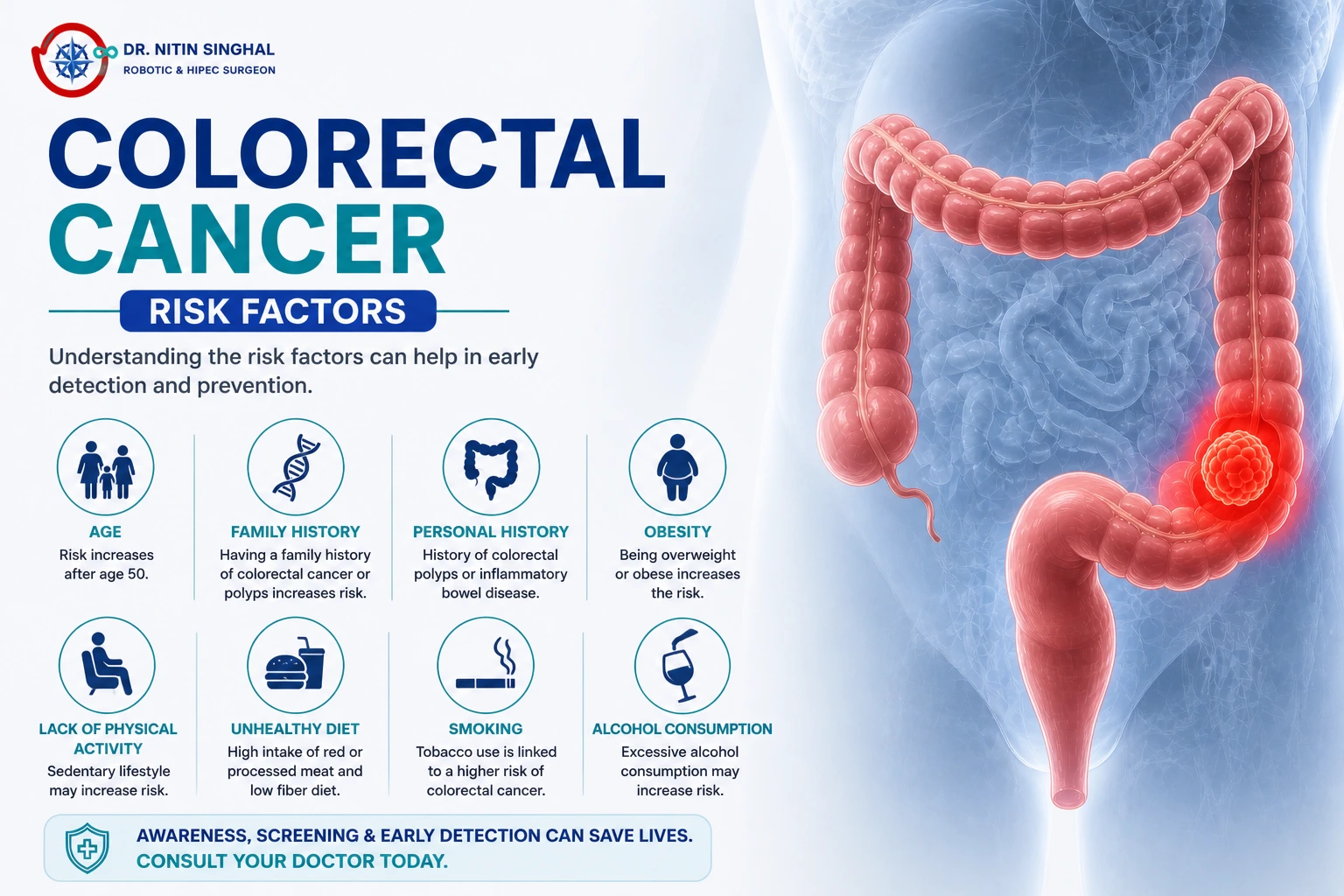
Having one or more risk factors does not mean a person will develop colorectal cancer — it simply means screening and awareness of symptoms become more important.
Age
Risk increases with age, particularly from the mid-40s onward.
Family History
A close relative with colorectal cancer or polyps raises individual risk.
Inherited Conditions
Conditions such as Lynch syndrome or familial adenomatous polyposis (FAP) significantly increase risk.
Previous Bowel Conditions
A personal history of colorectal polyps or inflammatory bowel disease.
Lifestyle Factors
Smoking, heavy alcohol use, low physical activity and diets low in fibre are associated with higher risk.
Other Medical Factors
Type 2 diabetes and obesity are also linked with increased colorectal cancer risk.
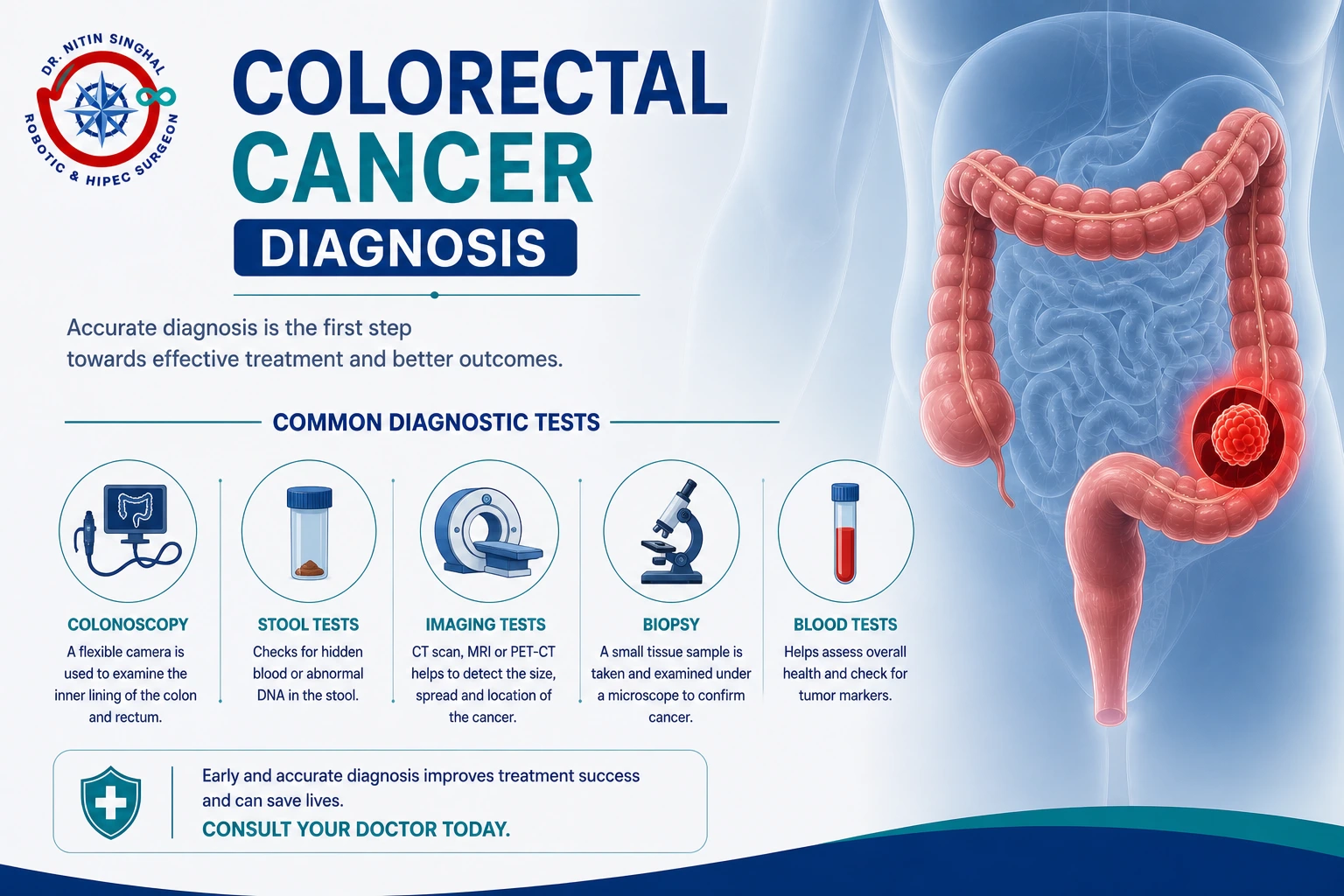
How Is Colon & Rectum Cancer Diagnosed?
Clinical evaluation — a review of symptoms, medical history and a physical examination.
Colonoscopy — a camera-based examination of the colon and rectum to directly visualise any abnormal areas.
Biopsy — a tissue sample taken during colonoscopy to confirm whether a growth is cancerous.
Imaging — CT, MRI or other scans to assess tumour extent and check for spread.
Blood tests / tumour markers — including markers such as CEA, used alongside imaging where appropriate.
Staging investigations — combining the above to determine the cancer's stage and guide treatment planning.
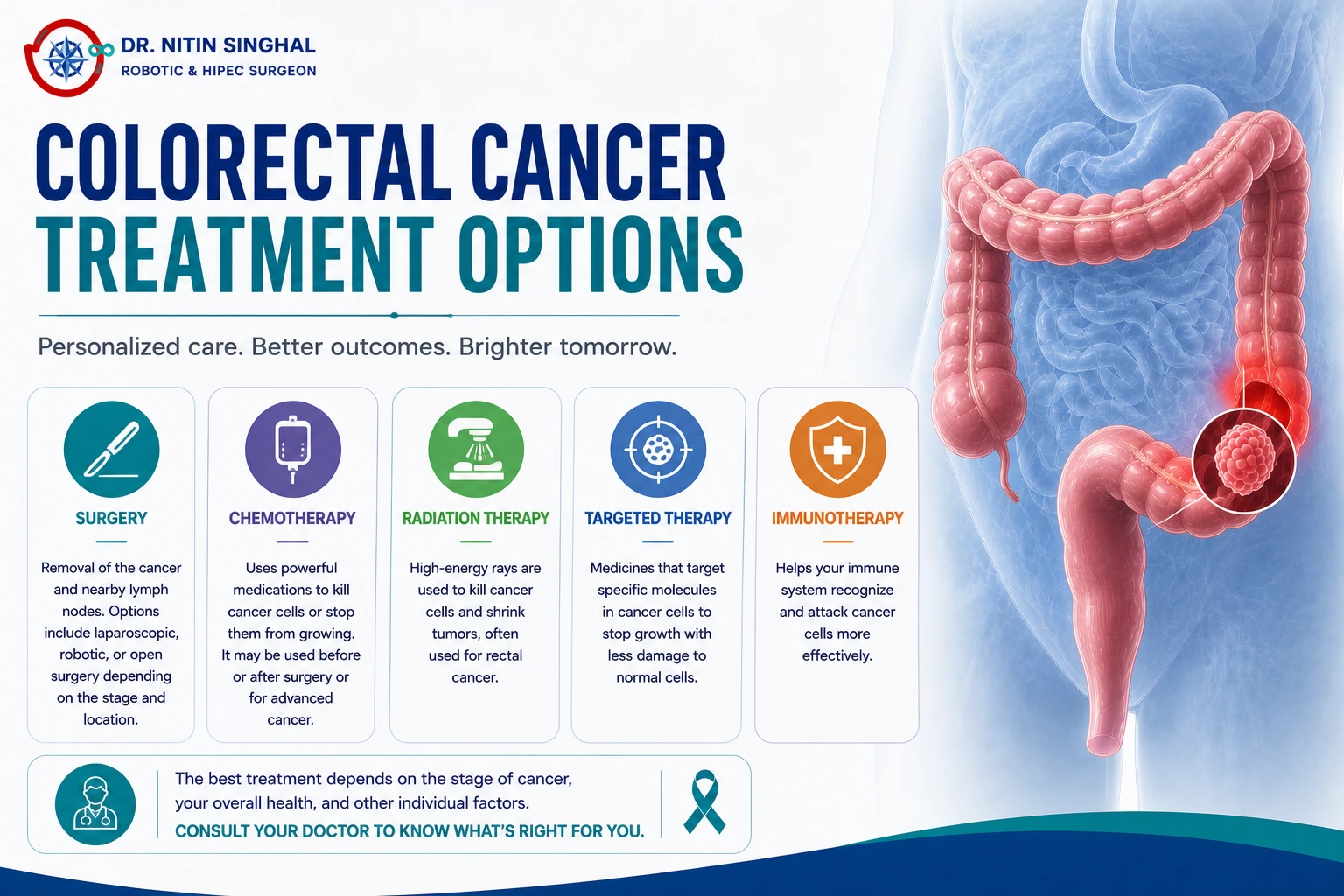
How Colon & Rectum Cancer Is Treated
Treatment is planned individually and often combines more than one approach, decided by a multidisciplinary team.
Surgery
Removal of the cancerous section of bowel, often the primary treatment for localised disease.
Chemotherapy
Used before or after surgery in selected cases, depending on stage and risk factors.
Radiation Therapy
Particularly relevant for rectum cancer, often combined with chemotherapy before surgery.
Targeted / Immunotherapy
Considered for selected patients based on tumour biology and molecular testing.
Multidisciplinary Planning
Surgical, medical and radiation oncology teams jointly plan the treatment sequence.
Follow-Up Surveillance
Structured monitoring after treatment to check for recurrence.
Why Choose Dr. Nitin Singhal?
Robotic & HIPEC Cancer Surgeon
Focused practice in robotic-assisted and complex cancer surgery, including gastrointestinal oncology.
GI Cancer Specialisation
Regular experience with colon, rectum and other gastrointestinal cancers.
Training & Qualifications
MBBS, MS (General Surgery), MCh (Surgical Oncology) with training at Tata Memorial centre, Mumbai.
22+ Years Overall Experience
Including 15+ years focused specifically in surgical oncology.
Hospital Affiliations
Operates at established hospitals in Ahmedabad with the infrastructure major cancer surgery requires.
Multidisciplinary Cancer Care
Coordinated planning with medical oncology, radiation oncology and pathology colleagues as needed.

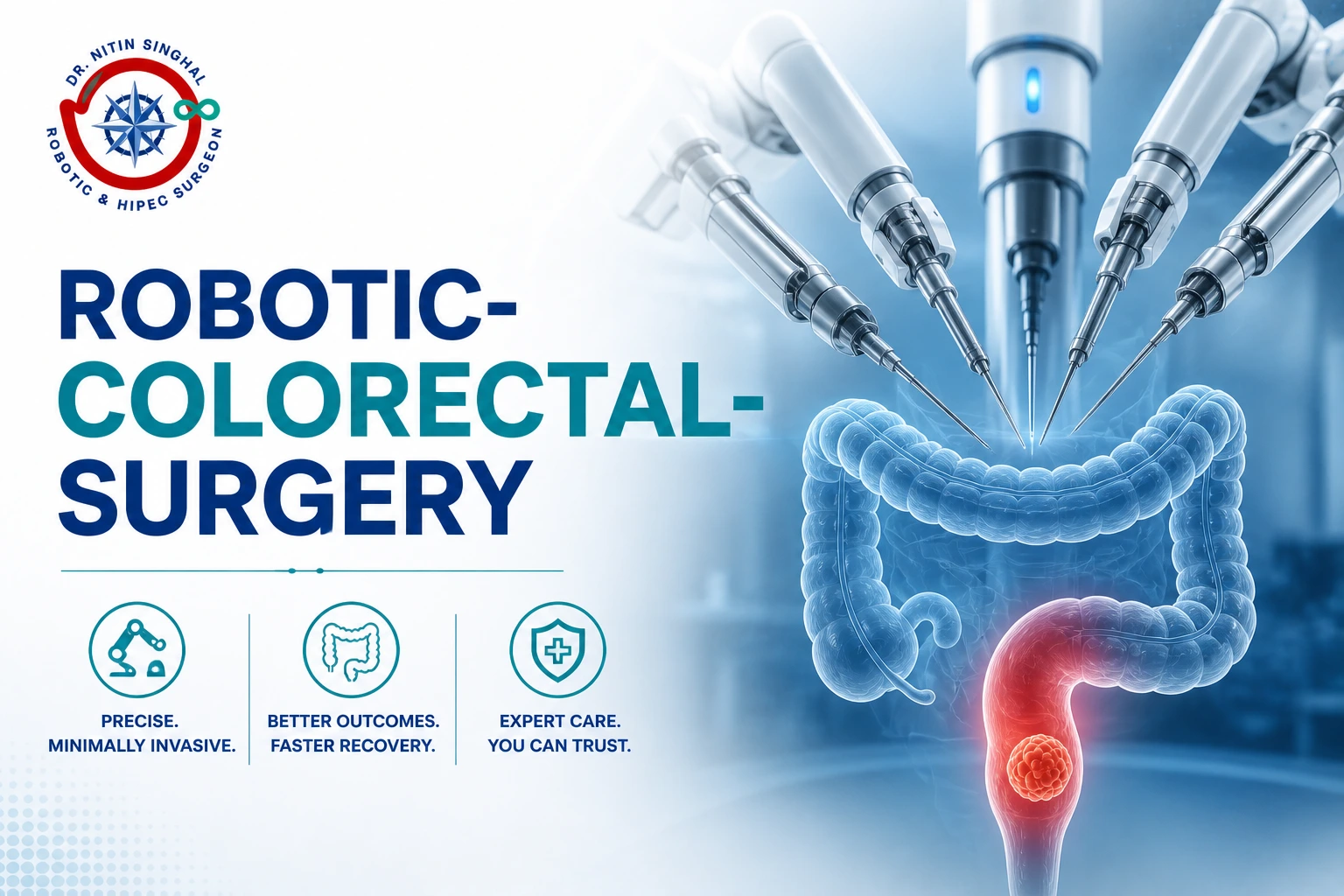
What Is Robotic Colon & Rectum Cancer Surgery?
Robotic-assisted surgery uses a surgical system with wristed instruments and a magnified 3D camera, controlled entirely by the surgeon from a console beside the patient. The robot does not operate independently — every movement is directed by the surgeon in real time.
The procedure is performed through a few small abdominal incisions rather than one large opening. The camera provides enhanced, magnified visualisation of the surgical area, which can support precise dissection, particularly in the confined space of the pelvis for rectum cancer surgery. This differs from conventional open surgery, which uses a single larger incision and direct visualisation by the surgeon.
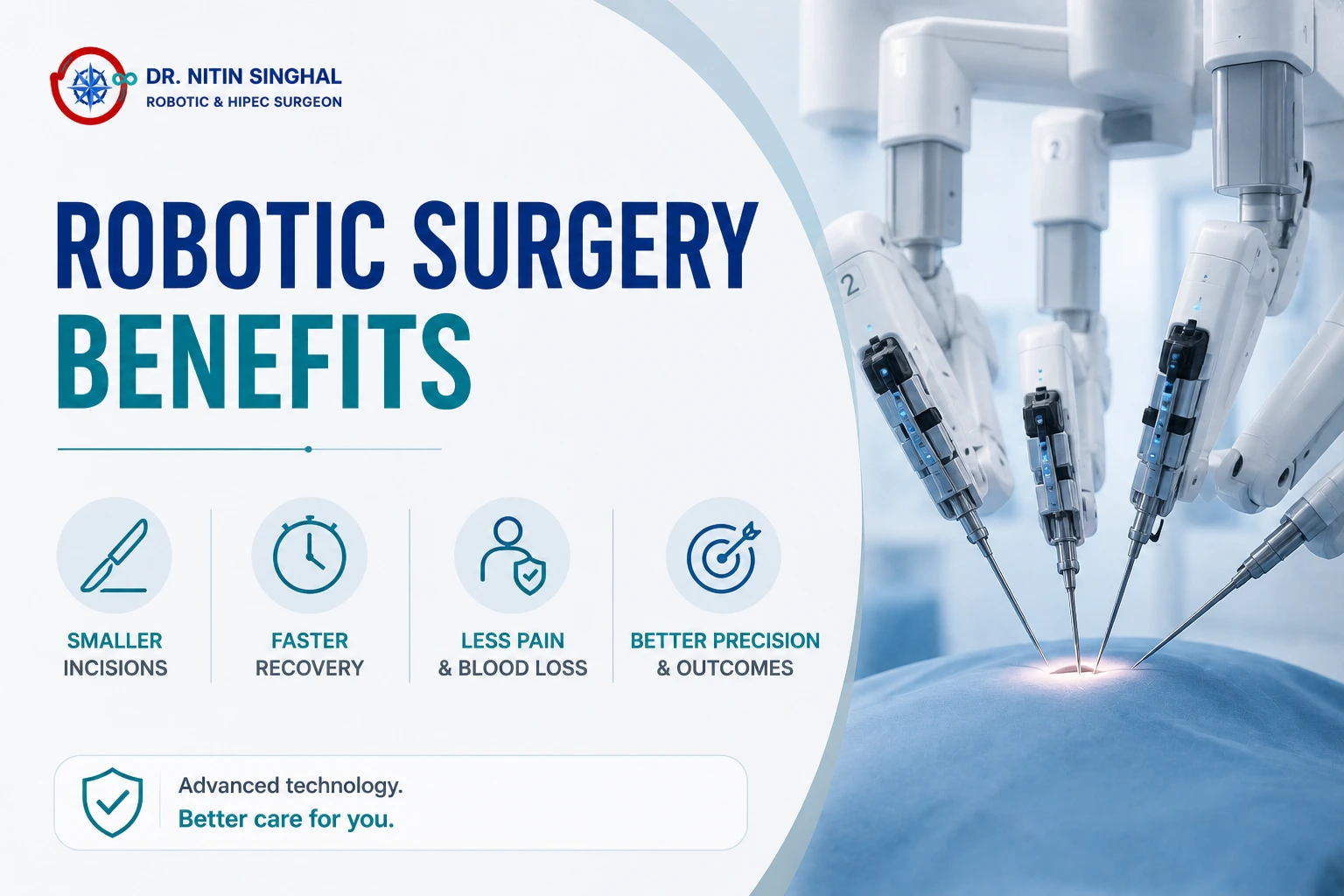
Why Robotic Surgery May Be Considered
These are potential, patient-specific advantages in suitable cases — not guarantees, as outcomes depend on the individual patient and procedure.
Smaller Incisions
Several small incisions rather than one large opening, in suitable cases.
Less Post-Operative Pain
Smaller incisions may be associated with reduced discomfort during recovery.
Reduced Blood Loss
In appropriate cases, robotic technique can help limit intraoperative bleeding.
Earlier Mobilisation
Some patients are able to move around sooner after minimally invasive surgery.
Shorter Hospital Stay
In suitable patients, hospital stay may be shorter than after open surgery.
Precise Pelvic Dissection
Magnified 3D vision can assist precision in the confined pelvic space for rectum cancer.
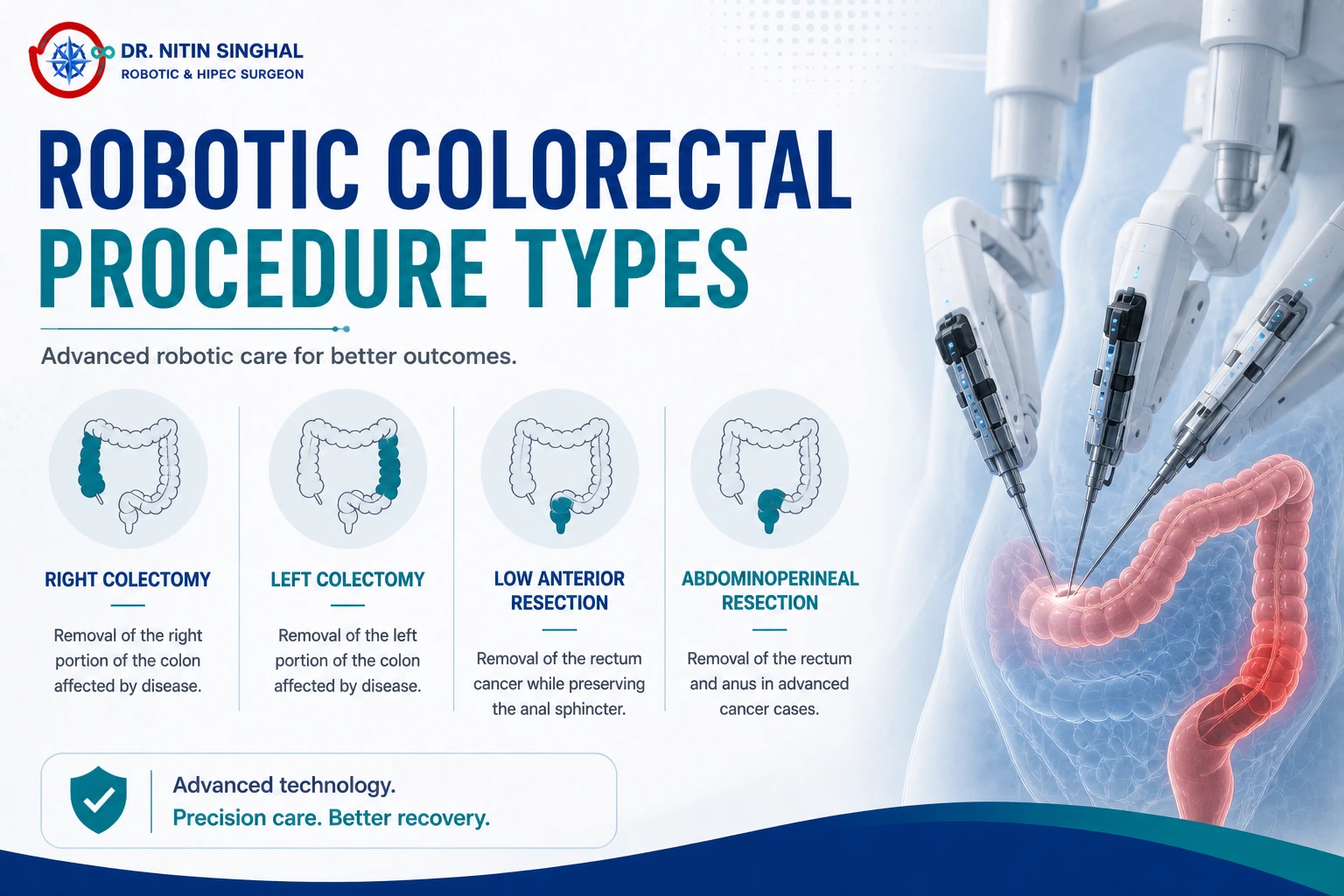
Types of Robotic Colorectal Procedures
The specific procedure recommended depends on the tumour's location and stage.
Robotic vs Laparoscopic vs Open Surgery
A general comparison of approach — actual outcomes for any specific patient depend on the procedure and case.
| Feature | Open Surgery | Laparoscopic Surgery | Robotic Surgery |
|---|---|---|---|
| Incisions | Larger | Smaller | Smaller |
| Visualisation | Direct | Camera-assisted, 2D | Enhanced 3D visualisation |
| Instrument Movement | Conventional, surgeon's hand | Limited range of motion | Wristed, surgeon-controlled robotic instruments |
| Recovery | Procedure-dependent | Procedure-dependent | Procedure-dependent |
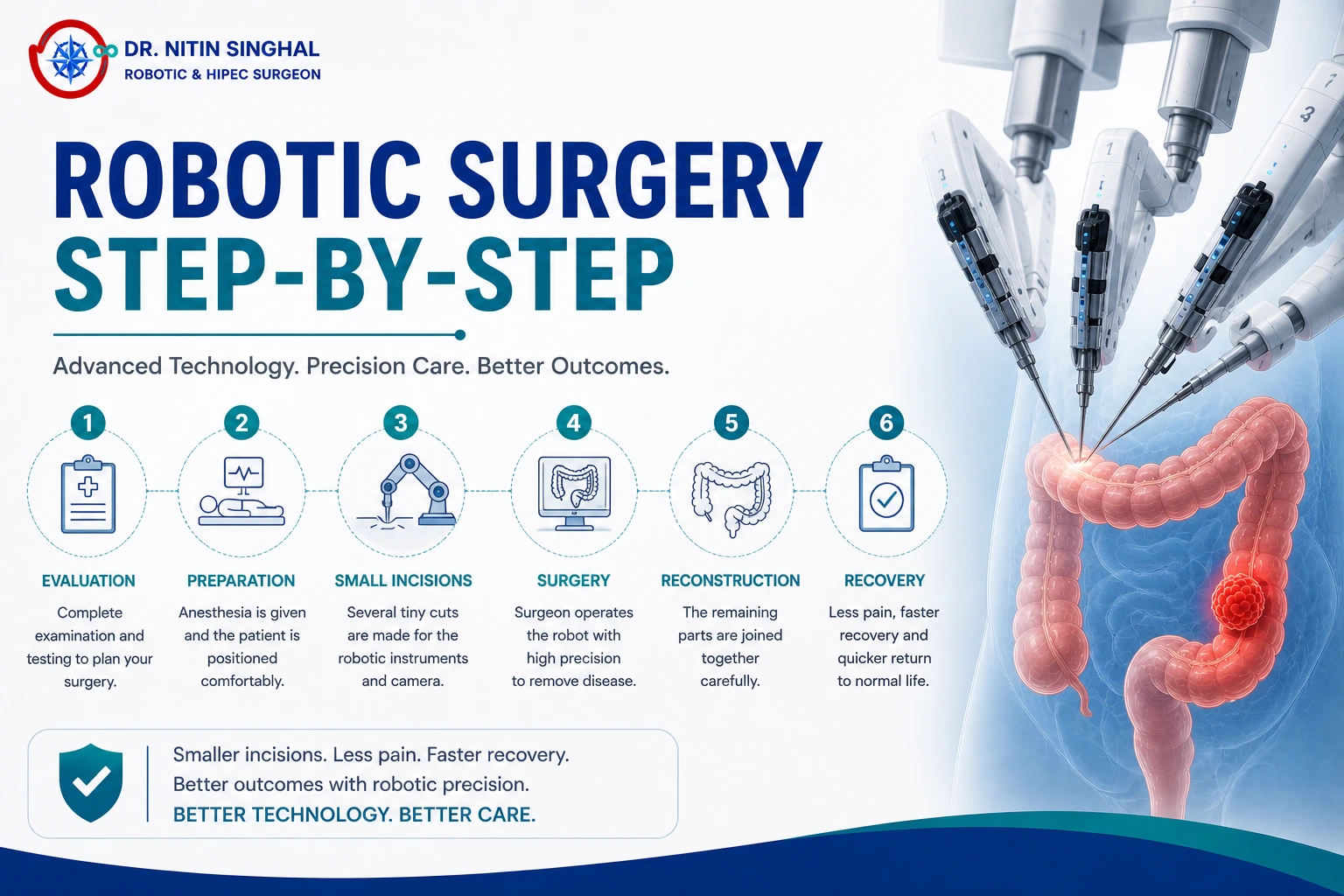
How the Surgery Works, Step by Step
Pre-operative evaluation — final review of imaging, staging and overall fitness for surgery.
Anaesthesia — the patient is placed under general anaesthesia by the anaesthesia team.
Small abdominal incisions — a few small incisions are made to introduce the robotic ports.
Robotic system positioned — the robotic arms are docked and the surgeon operates from the console.
Diseased section identified — the tumour and surrounding bowel are carefully located and assessed.
Cancerous portion removed — the affected segment of colon or rectum is dissected free and removed.
Lymph nodes assessed — nearby lymph nodes are removed where appropriate, for accurate staging.
Bowel reconstruction — the two healthy ends of bowel are reconnected (anastomosis) where possible.
Incisions closed — the small incisions are closed, and the patient is moved to recovery.
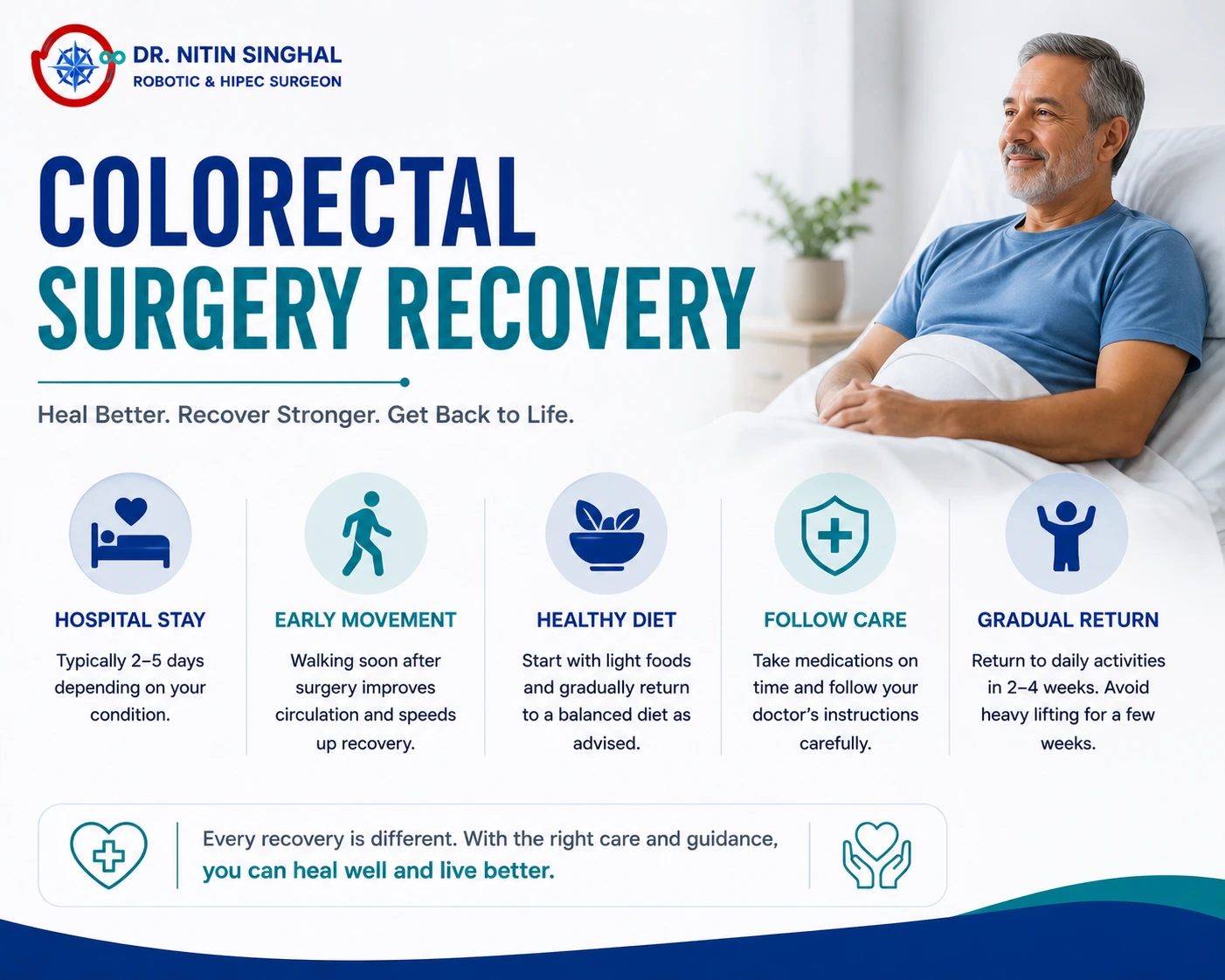
Before Surgery & Recovery Afterwards
Investigations & Review
Final blood tests, imaging review and a medication review before the procedure.
Bowel Preparation
Bowel preparation instructions, where required, ahead of surgery.
Anaesthesia Assessment
A pre-anaesthesia check to confirm fitness for the procedure.
Hospital Stay & Pain Management
Structured post-operative care with pain managed through the recovery period.
Eating, Walking & Bowel Function
A gradual return to oral intake, mobility and normal bowel function, guided by your care team.
Return to Activity & Follow-Up
A structured plan for returning to normal activity, with scheduled follow-up visits.
Risks & Possible Complications
As with any major surgery, colorectal surgery carries risks. These should be discussed in detail with your surgical team before deciding on treatment.
Bleeding
As with any surgery, there is a risk of bleeding during or after the procedure.
Infection
Wound or internal infection is a possible complication of any abdominal surgery.
Anastomotic Leak
A leak at the site where the bowel is reconnected, requiring prompt medical attention.
Bowel Complications
Including temporary changes in bowel function or, rarely, obstruction.
Blood Clots
A risk with any major surgery, managed with preventive measures where appropriate.
Urinary / Sexual Function
Certain rectum cancer procedures carry a risk of affecting nearby nerve function.
Myths vs Facts
Common Questions
What is robotic colon cancer surgery?
Is robotic surgery suitable for every colon cancer patient?
Is robotic surgery suitable for rectum cancer?
What is the recovery time after robotic colorectal surgery?
How long will I stay in the hospital?
Is robotic surgery better than open surgery?
Will I need chemotherapy after surgery?
What happens to the removed cancerous tissue?
What are the risks of robotic colorectal surgery?
How do I know whether I am a candidate?
Considering Robotic Colon or Rectum Cancer Surgery?
Get an expert evaluation to understand your diagnosis, treatment options, and whether robotic surgery may be appropriate for you.