
Robotic Lung Cancer Surgery in Ahmedabad, Gujarat
Dr. Nitin Singhal, an expert lung cancer surgeon, offers robotic lobectomy for lung tumor surgery, with lung cancer treatment in Ahmedabad, bringing 18+ years of experience to precise, minimally invasive thoracic cancer surgery without rib spreading.
Dr. Nitin Singhal
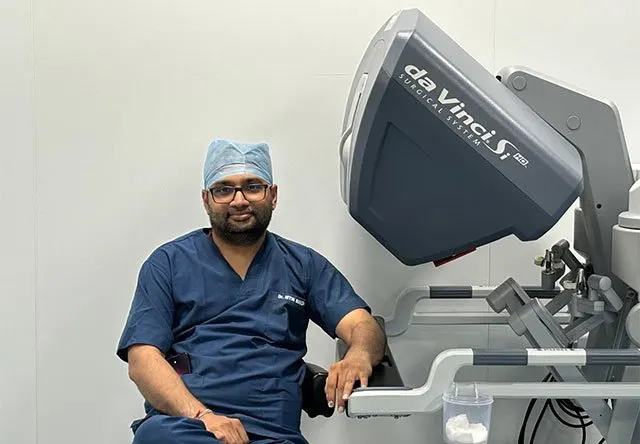
Dr. Nitin Singhal is a Robotic and HIPEC surgeon based in Ahmedabad, specialising in thoracic oncology, including lung cancer. As a dedicated lung cancer surgeon, he combines robotic-assisted technique with a patient-first approach, aiming for precise tumour removal and thorough mediastinal lymph node staging while supporting faster recovery wherever suitable.
What Is Lung Cancer?
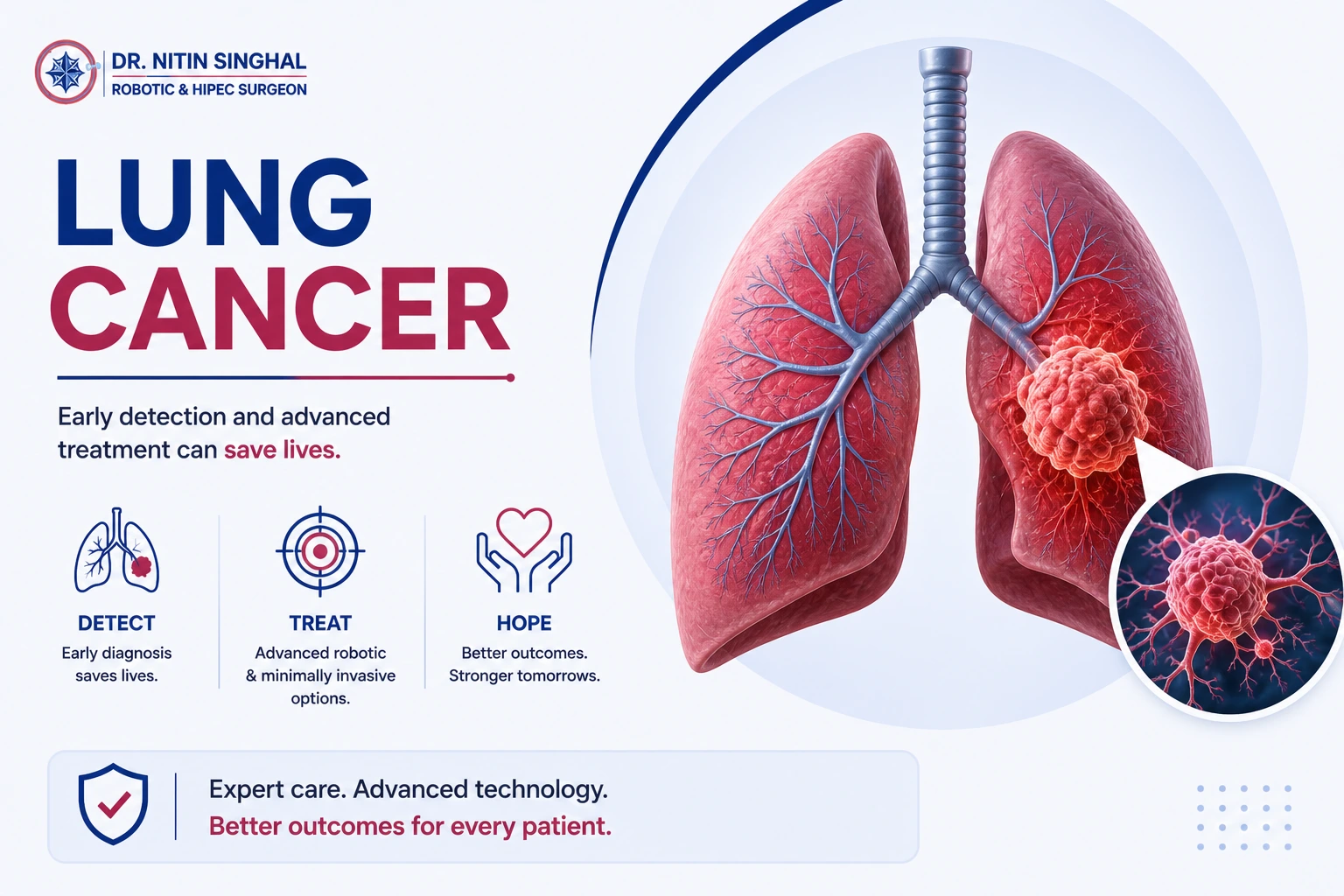
Lung cancer develops when abnormal cells grow uncontrollably in lung tissue, most often starting in the cells lining the airways. There are two main types: non-small cell lung cancer (NSCLC), which accounts for around 85% of cases and tends to grow more slowly, and small cell lung cancer (SCLC), a more aggressive form strongly linked to smoking.
Early lung cancer often causes no symptoms at all, which is why it is sometimes diagnosed at a more advanced stage. When detected early, lung tumor surgery performed by an experienced lung cancer surgeon offers the best chance of a successful outcome, and as with most cancers, the stage at diagnosis guides the treatment approach.
Symptoms to Watch For
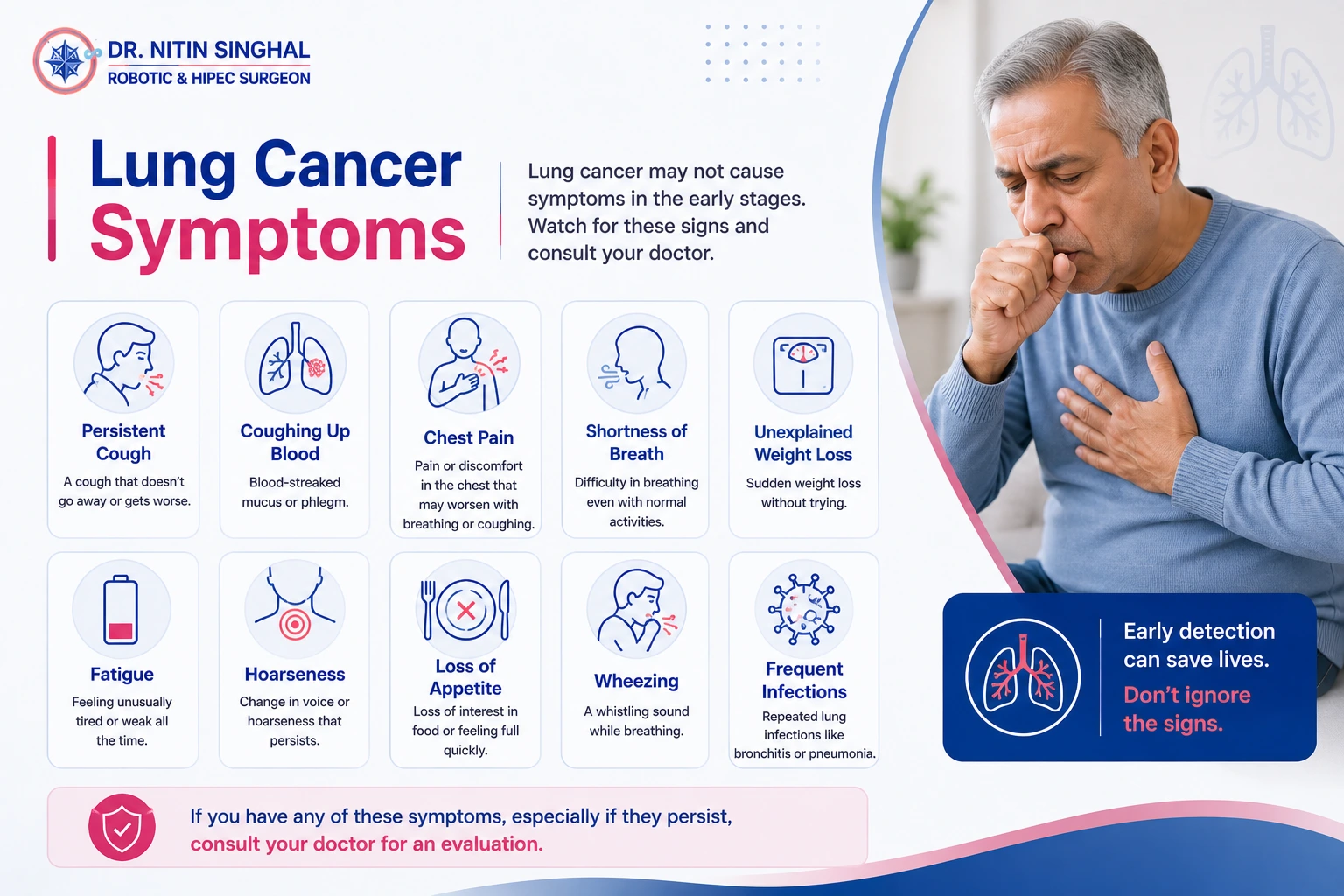
Lung cancer symptoms are often mistaken for a lingering cold or chest infection. Any of the following, especially if persistent, should be evaluated by a doctor promptly.
Persistent Cough
A cough that doesn't go away or gets worse over time, one of the most common early symptoms.
Coughing Up Blood
Even a small amount of blood in the sputum should be evaluated promptly.
Chest Pain
Pain that worsens with deep breathing, coughing or laughing.
Shortness of Breath
New or worsening breathlessness, even with everyday activity.
Hoarseness & Unexplained Weight Loss
A persistent change in voice, or losing weight without a change in diet or activity.
Recurrent Respiratory Infections
Repeated bouts of bronchitis or pneumonia that keep coming back.
What Increases the Risk?
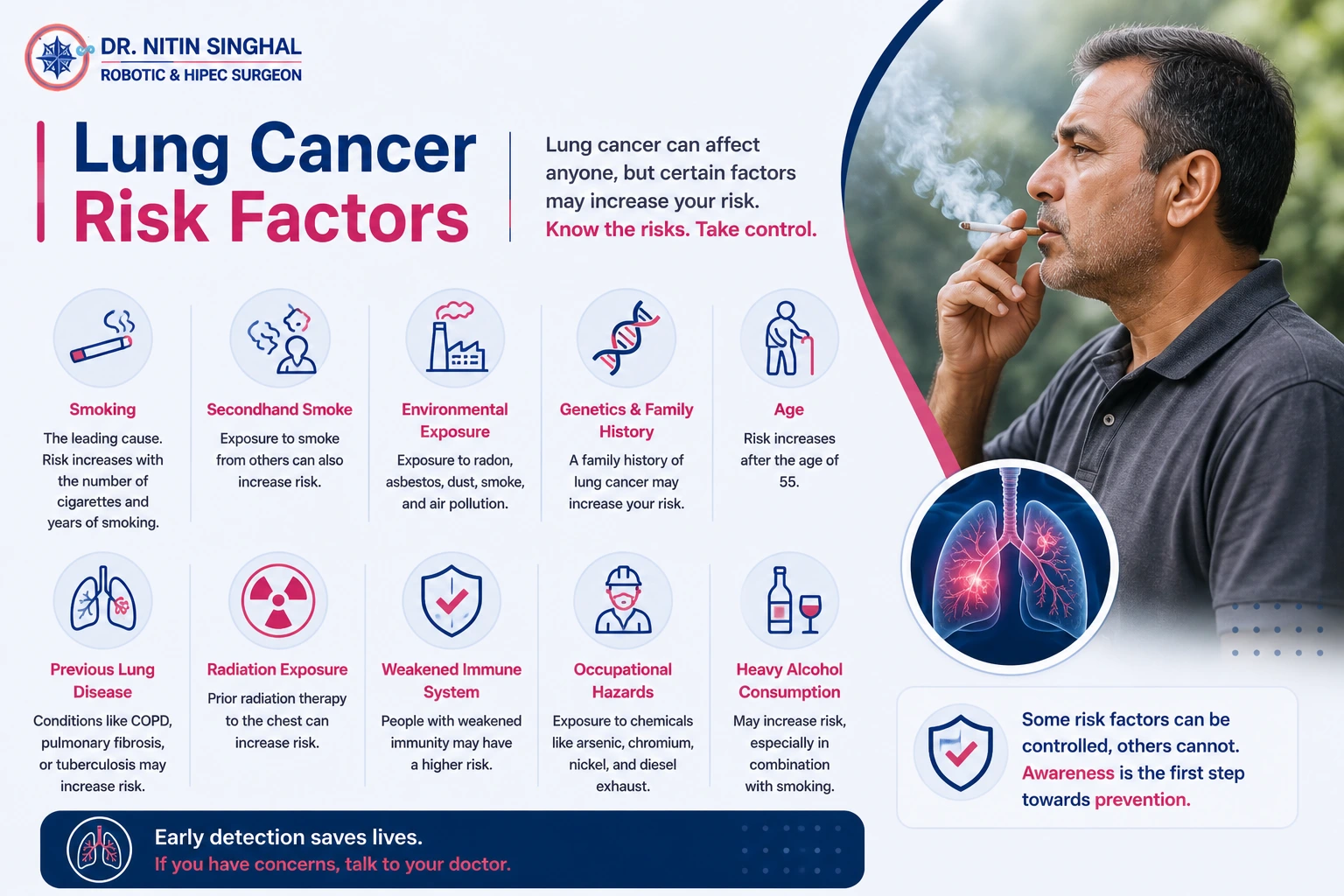
Having one or more risk factors does not mean a person will develop lung cancer — it simply means awareness of symptoms and timely evaluation become more important.
Smoking
Tobacco smoking is the leading cause of lung cancer, responsible for the majority of cases.
Secondhand Smoke Exposure
Regular exposure to others' smoke also raises the risk, even in non-smokers.
Occupational Exposure
Exposure to asbestos, radon gas or certain industrial chemicals increases risk.
Family History
A family history of lung cancer raises individual risk, even without other known risk factors.
Prior Chest Radiation
Previous radiation therapy to the chest for another cancer is associated with higher risk.
Chronic Lung Disease
Conditions such as COPD are linked with an increased risk of developing lung cancer.
How Is Lung Cancer Diagnosed?
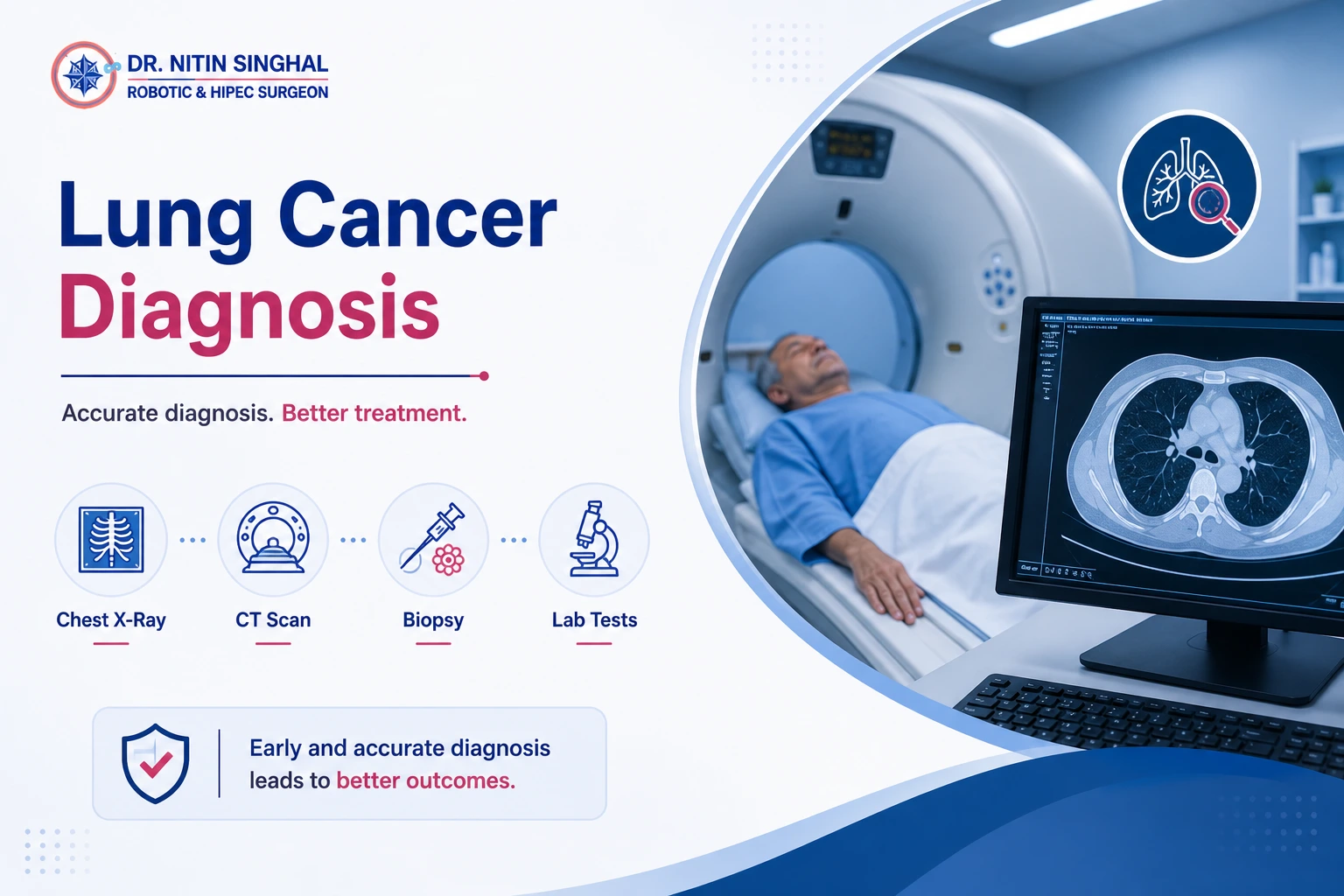
Clinical evaluation — a review of symptoms, smoking history and a physical examination.
Chest X-ray & CT scan — imaging to identify and characterise any lung mass.
PET scan — used to assess whether the cancer has spread beyond the lung.
Biopsy — a tissue sample taken via bronchoscopy or CT-guided needle biopsy to confirm the diagnosis.
Molecular & genetic testing — testing for mutations such as EGFR and ALK to guide targeted treatment options.
Mediastinoscopy — in select cases, to directly examine and sample lymph nodes in the chest for staging.

How Lung Cancer Is Treated
Treatment depends on cancer type, stage and overall lung function, and is planned individually by a multidisciplinary team as part of comprehensive lung cancer treatment in Ahmedabad.
Lobectomy
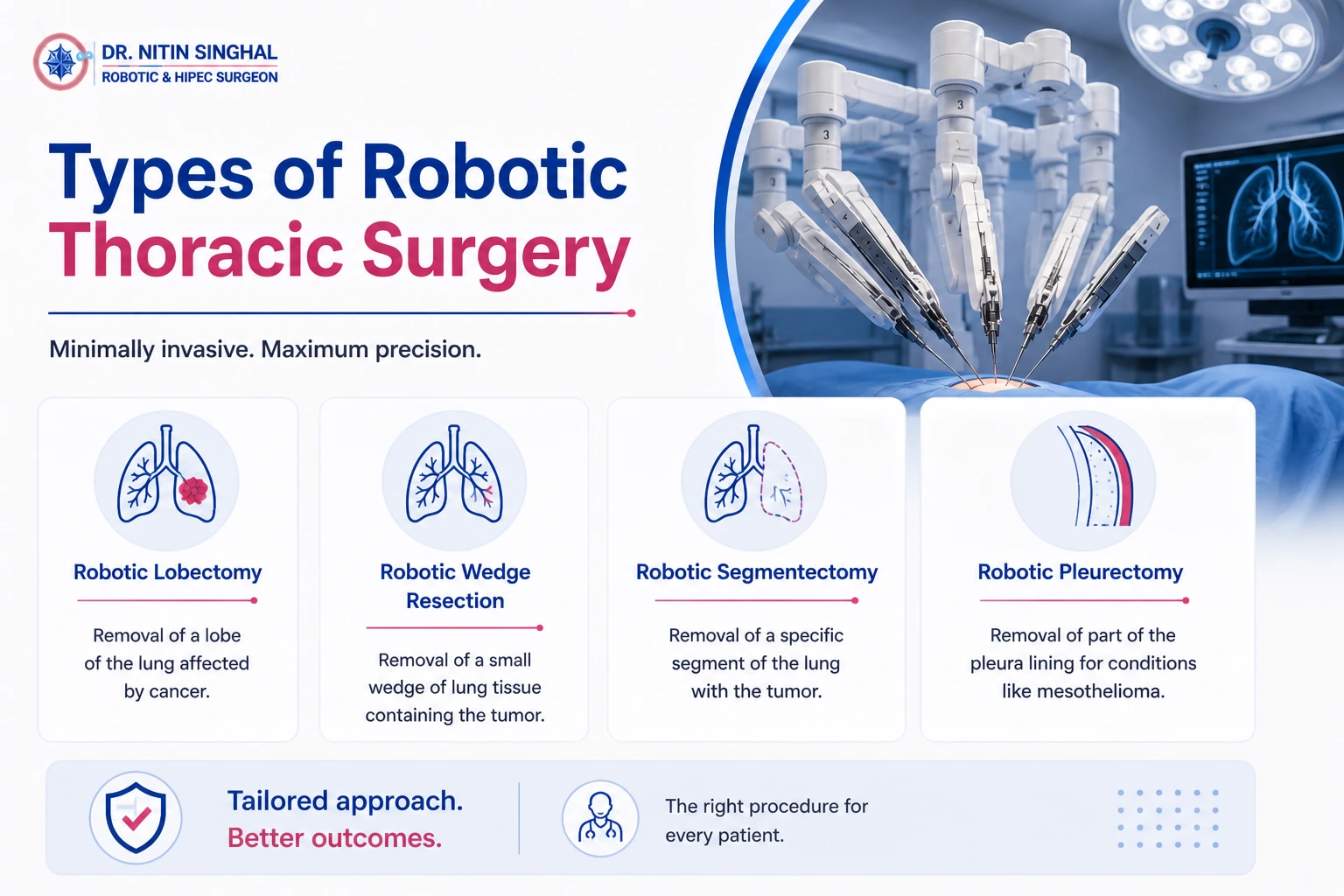
Surgical removal of an entire lobe of the lung, the standard surgical treatment for many early-stage cases.
Segmentectomy or Wedge Resection
Removal of a smaller portion of the lung, considered for select smaller tumours or limited lung reserve.
Chemotherapy
Used before or after surgery, or as the primary treatment for more advanced disease.
Radiation Therapy
Used alone or alongside chemotherapy, particularly when surgery is not suitable.
Targeted Therapy & Immunotherapy
Considered based on tumour genetics and biology, especially for advanced or recurrent disease.
Multidisciplinary Follow-Up
Structured imaging surveillance after treatment to check for recurrence.
Why Choose Dr. Nitin Singhal?
Robotic & HIPEC Cancer Surgeon
Focused practice in robotic-assisted and complex cancer surgery, including gynecologic oncology.
Thoracic Oncology Specialisation
Experience performing robotic lobectomy and mediastinal lymph node dissection for lung cancer, alongside broader oncology practice.
Training & Qualifications
MBBS, MS (General Surgery), MCh (Surgical Oncology) with training at Tata Memorial Centre, Mumbai.
18+ Years of Experience
Focused specifically in surgical oncology and robotic cancer surgery.
Hospital Affiliations
Operates at established hospitals in Ahmedabad with advanced operation theatres, robotic systems and ICU support.
Multidisciplinary Cancer Care
Coordinated planning with medical oncology, radiation oncology and pathology colleagues as needed.
What Is Robotic Lung Cancer Surgery (Robotic Lobectomy)?
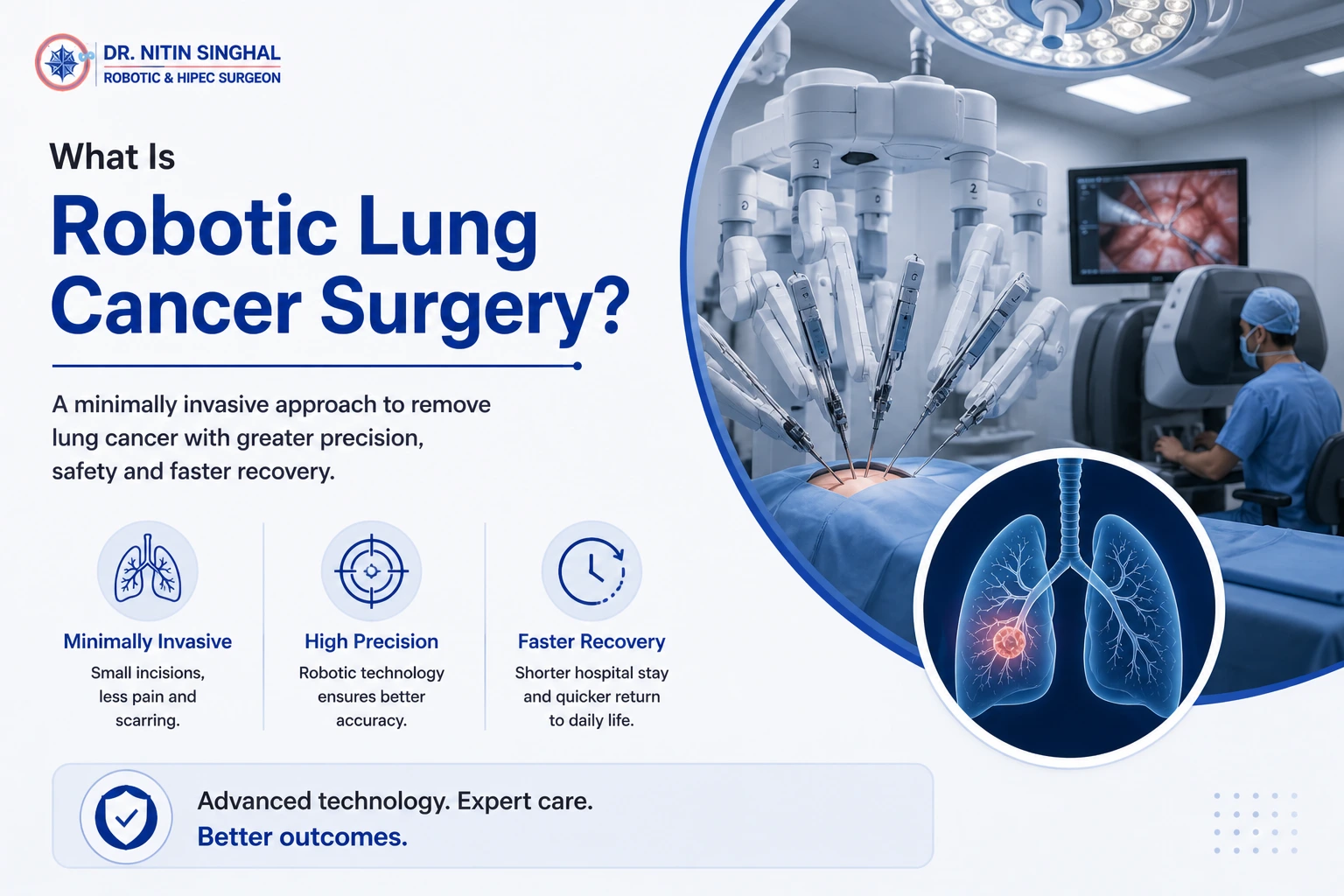
Robotic lobectomy uses a surgical system with wristed instruments and a magnified 3D camera, controlled entirely by the surgeon from a console beside the patient. The robot does not operate independently — every movement is directed by the surgeon in real time.
The procedure is performed through a few small chest incisions rather than the large, rib-spreading incision required in traditional open thoracotomy. Avoiding rib spreading is a major advantage in lung surgery, since it is a significant source of post-operative pain in open procedures. The camera provides enhanced, magnified visualisation, which supports precise dissection around the lung's major vessels and airways, along with thorough mediastinal lymph node assessment for accurate cancer staging.
Why Robotic Surgery May Be Considered
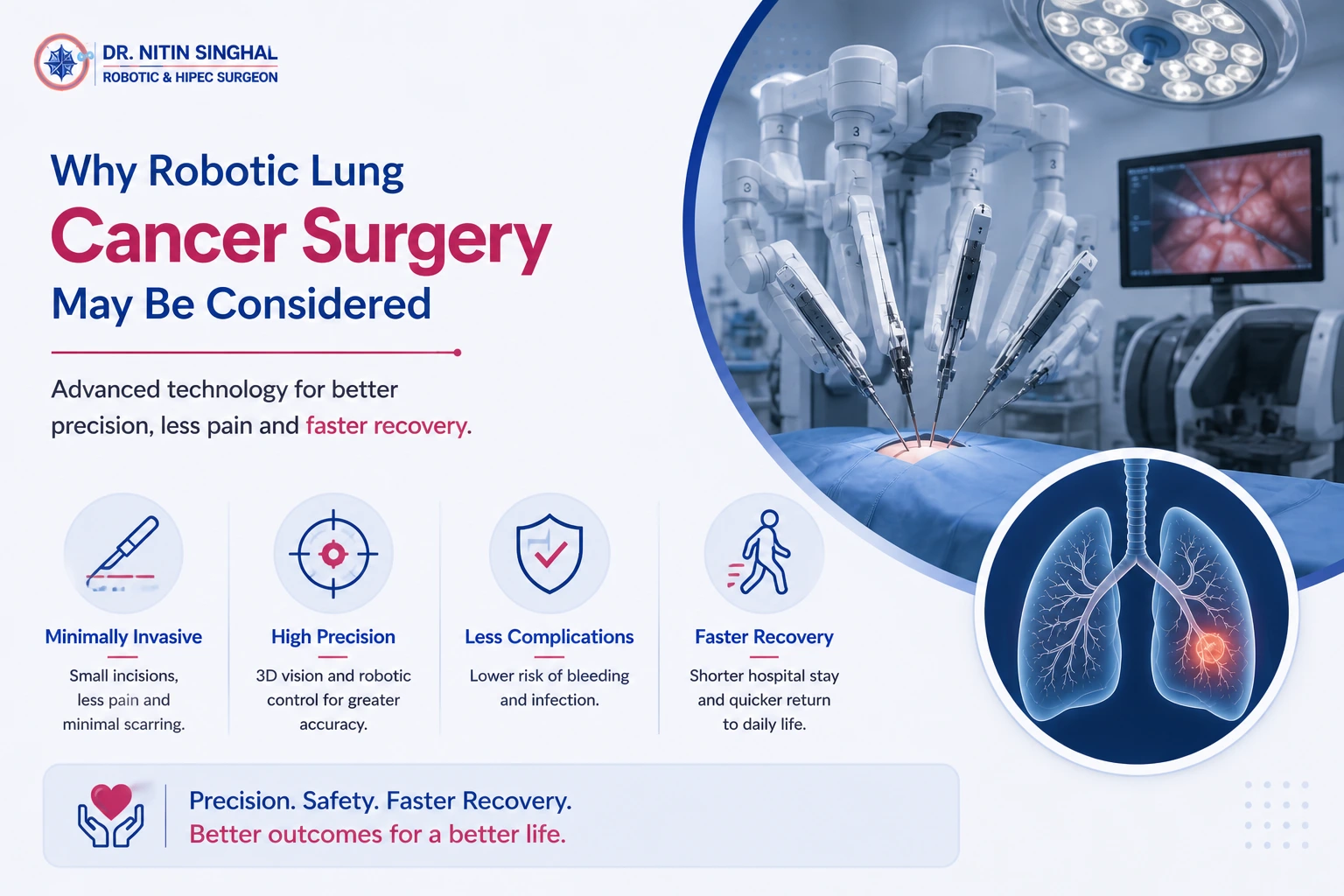
These are potential, patient-specific advantages in suitable cases — not guarantees, as outcomes depend on the individual patient and procedure.
No Rib Spreading
Small incisions between the ribs avoid the rib spreading required in open thoracotomy.
Less Post-Operative Pain
Avoiding rib spreading is associated with meaningfully reduced pain during recovery.
Reduced Blood Loss
In appropriate cases, robotic technique can help limit intraoperative bleeding.
Shorter Hospital Stay
In suitable patients, hospital stay may be shorter than after open thoracotomy.
Better Preserved Lung Function
Precise, targeted resection can help preserve more of the surrounding healthy lung tissue.
Thorough Lymph Node Staging
Magnified 3D vision supports complete mediastinal lymph node dissection for accurate staging.
Types of Robotic Lung Procedures
The specific procedure recommended depends on the tumour's size, location and overall lung function.
Robotic vs Laparoscopic vs Open Groin Surgery
A general comparison of approach — actual outcomes for any specific patient depend on the procedure and case.
| Feature | Open Thoracotomy | Standard Thoracoscopic (VATS) | Robotic Surgery |
|---|---|---|---|
| Incisions | Large, with rib spreading | Smaller, no rib spreading | Smaller, no rib spreading |
| Visualisation | Direct | Camera-assisted, 2D | Enhanced 3D visualisation |
| Post-Operative Pain | Notably higher due to rib spreading | Reduced vs open | Further reduced with wristed precision |
| Instrument Movement | Conventional, surgeon's hand | Limited range of motion | Wristed, surgeon-controlled robotic instruments |
| Recovery | Procedure-dependent | Procedure-dependent | Procedure-dependent |
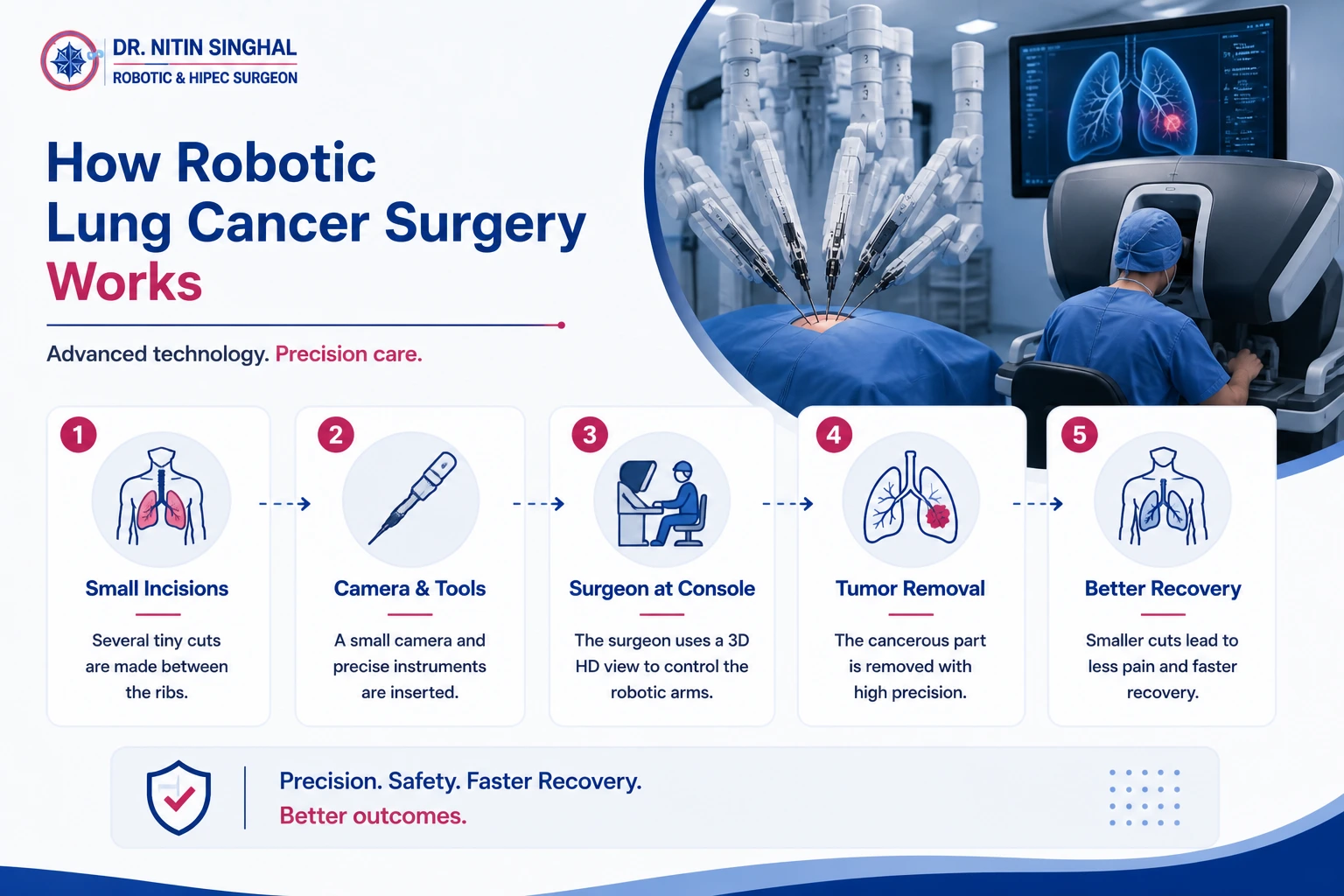
How the Surgery Works, Step by Step
Pre-operative evaluation — final review of imaging, pulmonary function tests, staging and overall fitness for surgery.
Anaesthesia — the patient is placed under general anaesthesia, typically with single-lung ventilation, by the anaesthesia team.
Small chest incisions — a few small incisions are made between the ribs, without rib spreading, to introduce the robotic ports.
Robotic system positioned — the robotic arms are docked and the surgeon operates from the console.
Lobe or segment identified — the affected portion of the lung is carefully located and assessed.
Lung tissue resected — the affected lobe, segment or wedge of lung tissue is dissected free and removed.
Mediastinal lymph nodes sampled — nearby lymph nodes are removed for accurate cancer staging.
Chest tube placed — a temporary drainage tube is placed to help the remaining lung re-expand.
Incisions closed — the small incisions are closed, and the patient is moved to recovery.
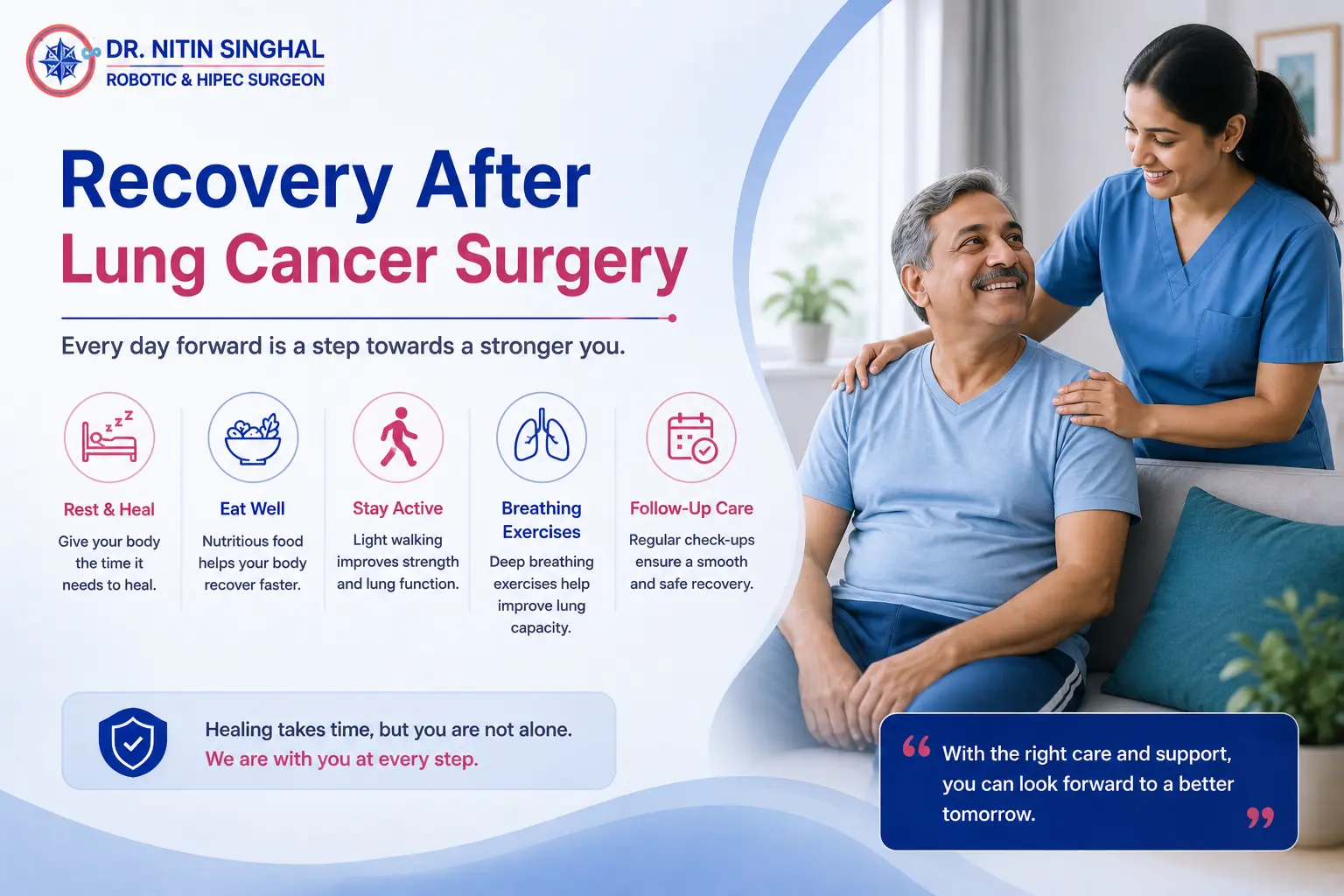
Before Surgery & Recovery Afterwards
Investigations & Review
Final blood tests, pulmonary function tests, imaging review and a medication review before the procedure.
Smoking Cessation Counselling
Guidance on stopping smoking before surgery to support healing and reduce complications.
Anaesthesia Assessment
A pre-anaesthesia check to confirm fitness for the procedure.
Chest Tube Care & Pain Management
Structured post-operative care with pain and chest tube drainage managed through recovery.
Breathing Exercises
Guided breathing exercises to support lung re-expansion and recovery of lung function.
Long-Term Follow-Up
Scheduled follow-up visits and imaging surveillance to monitor for recurrence.
Risks & Possible Complications
As with any major surgery, lung cancer surgery carries risks. These should be discussed in detail with your surgical team before deciding on treatment.
Bleeding
As with any surgery, there is a risk of bleeding during or after the procedure.
Infection
Wound or chest infection is a possible complication of any major thoracic surgery.
Air Leak
A leak of air from the lung surface is common after lung surgery and is usually managed with a chest tube.
Pneumonia
A risk after any chest surgery, reduced with early mobilisation and breathing exercises.
Blood Clots
A risk with any major surgery, managed with preventive measures where appropriate.
Reduced Lung Function
Some reduction in lung capacity is expected after removing lung tissue, assessed and planned for before surgery.
Myths vs Facts
Patient Reviews & Videos
Verified Google reviews and patient-friendly video explainers, from Dr. Nitin Singhal's robotic & HIPEC cancer surgery practice in Ahmedabad.
Common Questions
What is robotic lung cancer surgery?
What is robotic lobectomy?
Who is a lung cancer surgeon and what do they treat?
Is robotic surgery suitable for every lung cancer patient?
What is the recovery time after robotic lung surgery?
Where can I find the best lung cancer surgery hospital in Ahmedabad?
Will I lose lung function after lung cancer surgery?
Will I need chemotherapy or radiation after lung cancer surgery?
What are the risks of robotic lobectomy?
How do I know if I am a candidate for robotic lung cancer surgery?
Considering Robotic Lung Cancer Surgery?
Get an expert evaluation to understand your diagnosis, treatment options, and whether robotic lobectomy may be appropriate for you.